
Mumba Devi Mandir
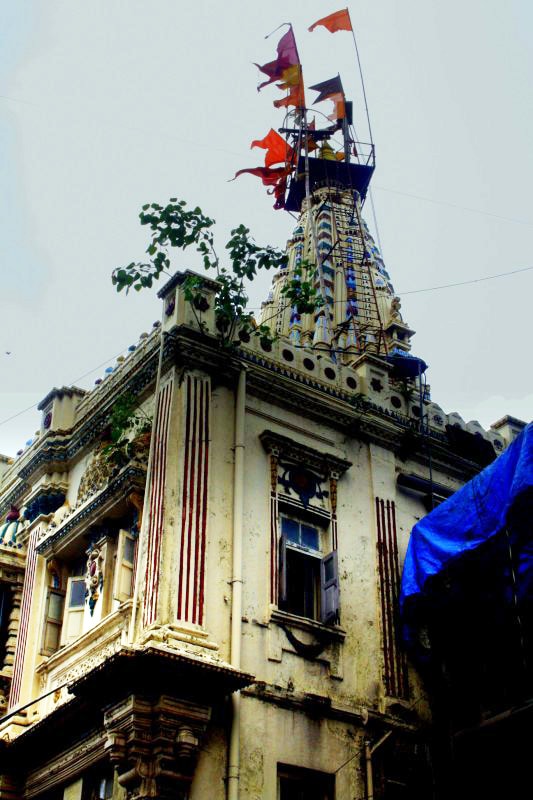
The Mumba Devi Mandir is a significant Hindu temple located in the Bhuleshwar area of South Mumbai, India. Dedicated to the goddess Mumba, a local incarnation of Parvati and the patron deity of the city, the temple's name is the origin of Mumbai's current name. It is an active place of worship and a popular pilgrimage site, visited daily by hundreds of devotees and tourists.
Key Facts
- ›Dedicated to Goddess Mumba, a local incarnation of Parvati and the patron deity of Mumbai.
- ›The temple's name is the etymological origin of the city's name, Mumbai.
- ›It is a six-century-old temple, with its original site believed to have been at Bori Bunder.
- ›The present shrine features a black stone sculpture of the Goddess Mumba.
- ›It is an active place of worship and a significant pilgrimage spot for Hindus.
- ›The temple is situated in the heart of Mumbai's steel and clothing markets.
Mumba, Parvati, Amba, Gauri, Mahakali
Patron Deity of Mumbai, Origin of the City's Name, Important Pilgrimage Site, Historical Landmark
Black Stone, Silver, Gold
Koli Fishermen
Black Stone Sculpture of Goddess Mumba, Stone Figure of Annapurna Seated On A Peacock, Tiger Sculpture
About Mumba Devi Mandir
The Mumba Devi Mandir is a significant Hindu temple located in the bustling Bhuleshwar area of South Mumbai, India. It is dedicated to Goddess Mumba, who is recognized as a local incarnation of the Hindu Mother Goddess Parvati and serves as the patron deity of the city. The very name of Mumbai is derived from Goddess Mumba, highlighting her deep connection to the region's identity.
History and Legend
Believed to be approximately six centuries old, the Mumba Devi Mandir has a history intertwined with the city's development. The original temple was situated at Bori Bunder and is thought to have been destroyed between 1739 and 1770. A new temple was subsequently erected at its present-day location in Bhuleshwar. Legends surrounding the goddess speak of her taking the form of a fisherwoman, known as Matsya and later Mumba, to cultivate perseverance and concentration under the guidance of fishermen. It is said that Lord Shiva, in the guise of a fisherman, married her, and she eventually became the village goddess, revered as 'Mumba Aai' or 'Mother Mumba.'
Significance and Worship
The Mumba Devi Mandir is a vibrant and active place of worship, drawing hundreds of devotees and visitors daily. It holds considerable importance as a sacred pilgrimage spot for Hindus. The temple itself, while described as not particularly architecturally imposing, is a crucial landmark due to its dedication to the city's guardian deity. The modern shrine houses a striking black stone sculpture of Goddess Mumba, adorned with a robe, a silver crown, a nose stud, and a golden necklace. To her left, a stone figure of Annapurna is seated on a peacock, and a tiger, the goddess's vahana (carrier), stands in front of the main shrine.
Location and Accessibility
Situated in the heart of Mumbai's vibrant steel and clothing markets, the Mumba Devi Mandir is easily accessible. The approach to the temple is via Mumba Devi Road, a narrow street to the right from the northern end of Zaveri Bazaar, lined with stalls selling religious items such as copper bracelets, rudraksha malas, and incense.
Source: Wikipedia ↗
Frequently Asked Questions
Who is Goddess Mumba worshipped at the Mumba Devi Mandir?
The Mumba Devi Mandir is dedicated to Goddess Mumba, who is considered the local incarnation of the Hindu goddess Parvati. She is revered as the patron deity of the city of Mumbai and is believed to have taken the form of a fisherwoman to gain perseverance and concentration.
What is the historical origin of the Mumba Devi Mandir?
The Mumba Devi Mandir is approximately six centuries old. The first temple was reportedly built at Bori Bunder and was believed to have been destroyed between 1739 and 1770. A new temple was subsequently erected at its current location in Bhuleshwar.
How did the city of Mumbai get its name?
The city of Mumbai derives its name from the Goddess Mumba Devi, who is its patron deity. The name is an anglicized version of 'Mumba Aai,' meaning 'Mother Mumba' in Marathi, reflecting her significance to the local population.
What is the significance of Mumba Devi to the Koli people?
Goddess Mumba was considered the patron deity of the Koli people, who were the original inhabitants of the Seven Islands of Bombay. They are credited with building the original Mumba Devi temple.
What can visitors expect to see at the Mumba Devi Mandir?
The modern shrine contains an image of Goddess Mumba Devi, often depicted with a robe, silver crown, nose stud, and golden necklace. Adjacent to her image is a stone figure of Annapurna seated on a peacock, and a tiger, the carrier of the Goddess, is positioned in front of the shrine.
Related Temples (Hindu)

Yaganti temple
The Sri Yaganti Uma Maheswara Temple, located in Andhra Pradesh, India, is a significant Hindu temple dedicated to Shiva. Constructed in the 15th century by the Vijayanagara Empire's Sangama Dynasty, it is known for its unique architectural features and popular beliefs surrounding a growing Nandi statue and the absence of crows.
Nellitheertha Cave Temple
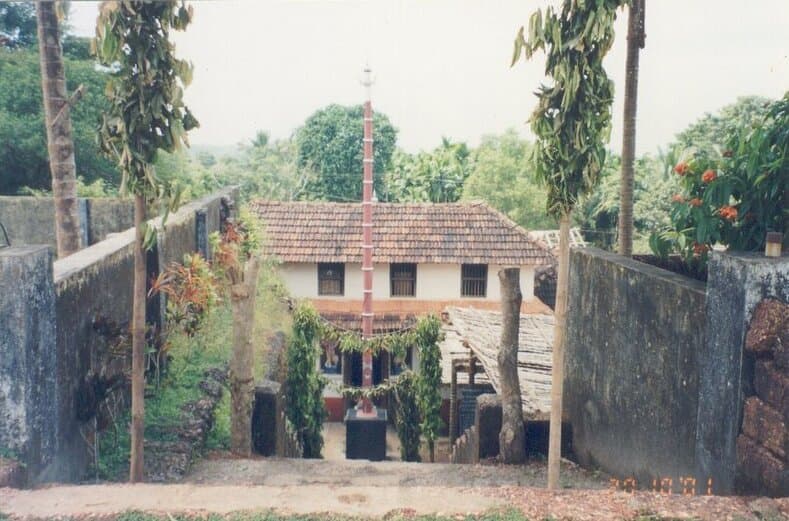
The Nellitheertha Cave Temple, located in Nellitheertha, Karnataka, India, is a Hindu temple primarily dedicated to Lord Shiva, also known as Somanatheshwara. The temple's origins can be traced back to at least 1487 CE and features a significant natural cave with a lake and a Shiva Lingam inside.
Kakatpur Mangala Temple
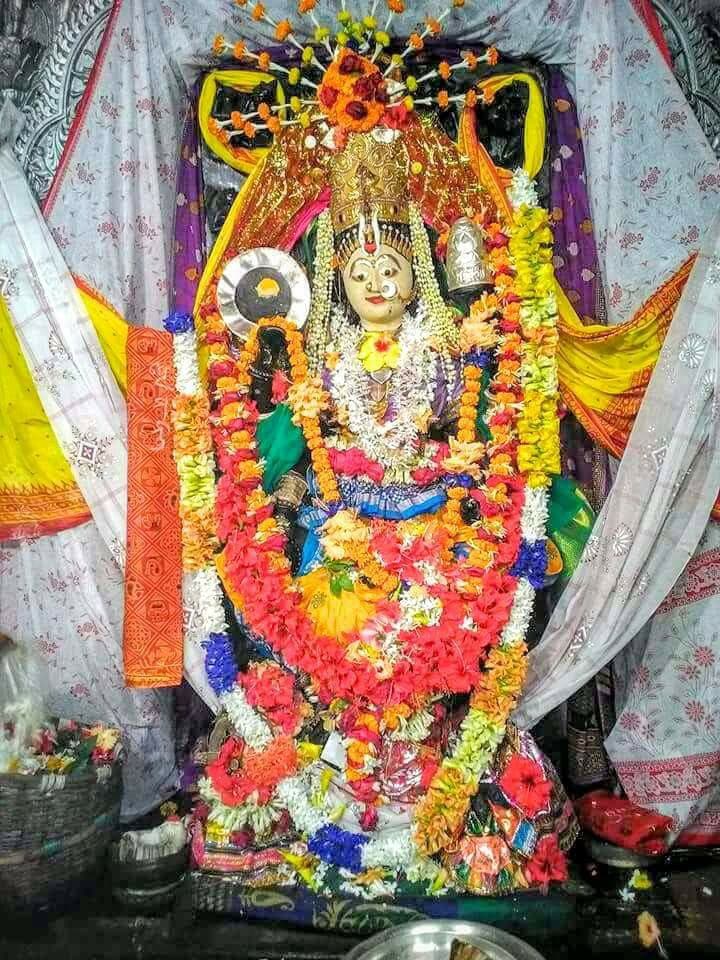
The Kakatpur Mangala Temple, located in Odisha, India, is a significant 15th-century Hindu Shakta pitha dedicated to Maa Mangala, a manifestation of the goddess Durga. It is renowned for its unique Utkaliya Peedha Vimana architectural style and its deep association with the Jagannath Temple in Puri, playing a crucial role in the Nabakalevara ritual.