
Manikaran
Manikaran is a sacred town situated in the Parvati Valley of Himachal Pradesh, India, renowned for its hot springs and significant religious sites for both Hindus and Sikhs. It is believed to be the place where Manu recreated human life after a flood, and it features temples dedicated to various Hindu deities as well as a prominent gurdwara associated with Guru Nanak.
Key Facts
- ›Manikaran is located in the Parvati Valley on the Parvati River at an altitude of 1760 meters.
- ›It is a pilgrimage center for both Hindus and Sikhs.
- ›The town is famous for its natural hot springs, with temperatures ranging from 64 to 80 °C.
- ›Hindu legends associate Manikaran with Lord Shiva and Parvati, and the recreation of human life by Manu after a flood.
- ›Sikh tradition recounts Guru Nanak's visit and the miraculous appearance of hot springs to cook food.
- ›Temples dedicated to Hindu deities like Rama, Krishna, and Vishnu are present, alongside a significant gurdwara.

Rama, Krishna, Vishnu, Shiva, Parvati, Guru Nanak
- Pilgrimage Center For Hindus and Sikhs
- Site of Sacred Hot Springs
- Believed To Be Where Manu Recreated Human Life
- Associated With Legends of Lord Shiva and Parvati
- Site of Guru Nanak's Visit and Miraculous Hot Spring Appearance
Raja Jagat Singh
River Parvati
About Manikaran
Manikaran is a significant town nestled in the Parvati Valley of Himachal Pradesh, India, located northeast of Bhuntar in the Kullu District. Situated at an elevation of 1760 meters, it is a revered pilgrimage center for both Hindus and Sikhs, drawing visitors to its sacred hot springs and numerous temples. The town's religious importance is deeply rooted in ancient beliefs and historical accounts.
Religious Significance
For Hindus, Manikaran holds profound spiritual value as the believed location where the sage Manu recreated human life following a great flood. The area is also central to legends involving the Hindu deities Shiva and Parvati, who are said to have spent eleven hundred years in the valley. A popular legend recounts Parvati losing an earring in the stream, leading to its recovery and the subsequent emergence of hot springs and precious stones.
Sikh tradition identifies Manikaran as a place blessed by Guru Nanak, the founder of Sikhism. During his third Udasi in 1574 Bikrami, Guru Nanak and his disciple Bhai Mardana arrived at Manikaran. When they lacked provisions for the community kitchen (langar), Guru Nanak is said to have miraculously uncovered a hot spring by asking Mardana to lift a stone. The chapatis, initially sinking in the boiling water, later floated back perfectly baked after Guru Nanak instructed Mardana to pray and donate in God's name.
Hindu Temples and Hot Springs
Manikaran is home to several Hindu temples, including those dedicated to Lord Rama, Krishna, and Vishnu. The Temple of Shiva, though partially damaged by the 1905 Kangra earthquake, remains an important site. The town is most famous for its natural hot springs, which play a role in local legends and are considered to have therapeutic properties, particularly for arthritis. The temperatures of these springs can range from 64 to 80 °C, and they are notably free of sulfur. Historically, before the 1905 earthquake, these springs are said to have erupted with considerable force, creating a fountain of water up to 14 feet high.
Source: Wikipedia ↗
Frequently Asked Questions
What is Manikaran known for?
Manikaran is primarily known for its hot springs and its importance as a pilgrimage center for both Hindus and Sikhs. The natural beauty of the Parvati Valley also adds to its appeal.
What is the religious significance of Manikaran for Hindus?
For Hindus, Manikaran is considered sacred as the place where Manu recreated human life after a great flood. Legends also tell of Lord Shiva and Parvati spending time there and the origin of the hot springs from Shesha's hiss.
What is the significance of Manikaran for Sikhs?
Sikhs revere Manikaran as a site visited by Guru Nanak, the founder of Sikhism. A significant event recounted here is the miraculous appearance of hot springs to cook food for the community kitchen (langar).
Are the hot springs in Manikaran safe for bathing?
The hot springs in Manikaran have temperatures ranging from 64 to 80 °C. Bathing in these springs is believed to be beneficial for ailments like arthritis. The water contains no sulfur.
Which Hindu deities are worshipped at Manikaran?
Temples at Manikaran are dedicated to Hindu deities including Rama, Krishna, and Vishnu. The town also features a temple dedicated to Shiva.
What historical events have affected Manikaran?
The 1905 Kangra earthquake caused damage to the Temple of Shiva at Manikaran, causing it to tilt slightly. Before this earthquake, the hot springs were known to erupt with considerable force.
Related Temples (Hindu)

Yaganti temple
The Sri Yaganti Uma Maheswara Temple, located in Andhra Pradesh, India, is a significant Hindu temple dedicated to Shiva. Constructed in the 15th century by the Vijayanagara Empire's Sangama Dynasty, it is known for its unique architectural features and popular beliefs surrounding a growing Nandi statue and the absence of crows.
Nellitheertha Cave Temple
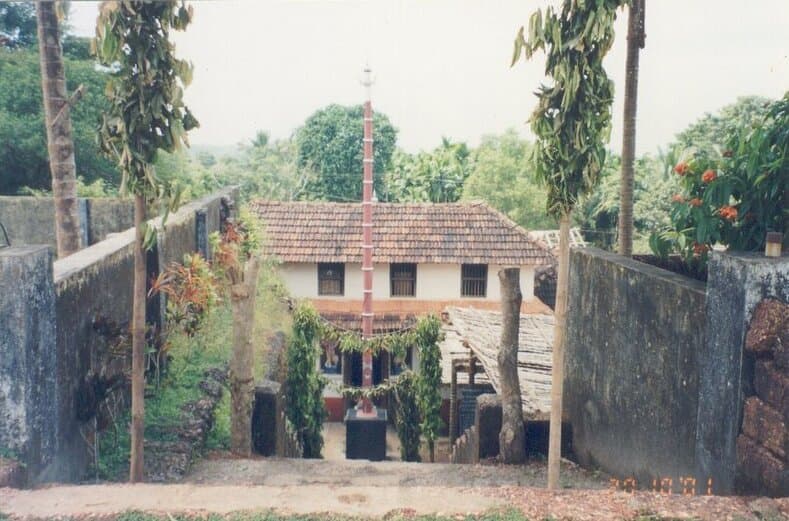
The Nellitheertha Cave Temple, located in Nellitheertha, Karnataka, India, is a Hindu temple primarily dedicated to Lord Shiva, also known as Somanatheshwara. The temple's origins can be traced back to at least 1487 CE and features a significant natural cave with a lake and a Shiva Lingam inside.
Kakatpur Mangala Temple
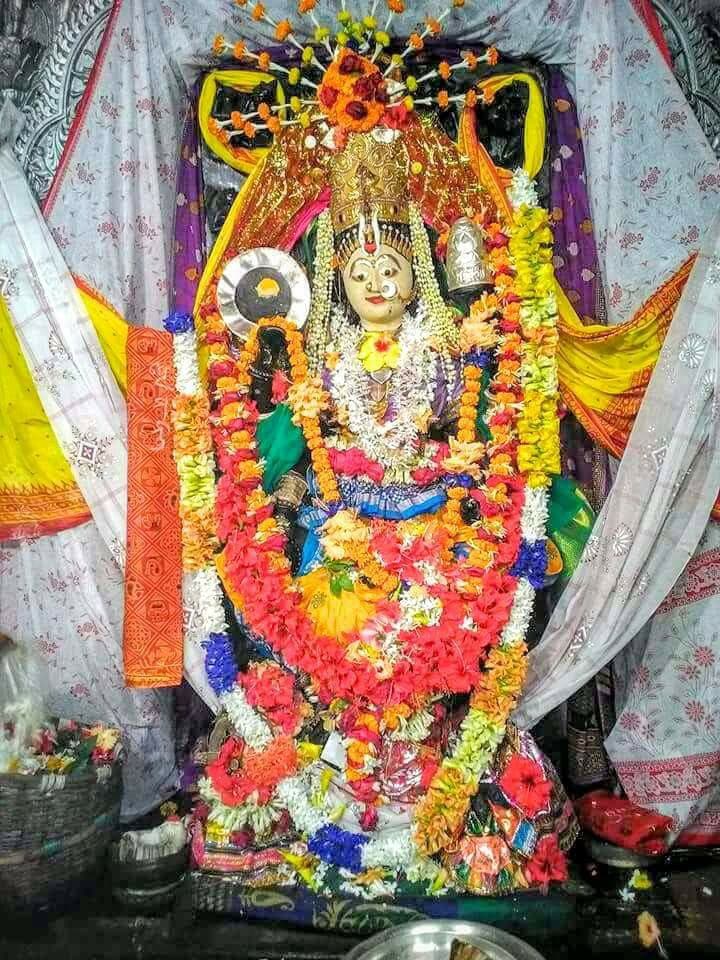
The Kakatpur Mangala Temple, located in Odisha, India, is a significant 15th-century Hindu Shakta pitha dedicated to Maa Mangala, a manifestation of the goddess Durga. It is renowned for its unique Utkaliya Peedha Vimana architectural style and its deep association with the Jagannath Temple in Puri, playing a crucial role in the Nabakalevara ritual.