
Mangla Gauri Temple
The Mangla Gauri Temple is a significant Hindu temple and Shakta pitha located in Gaya, Bihar, India. Dedicated to Sati, also known as the Hindu Mother Goddess, it is recognized as one of the eighteen maha Shakta pithas. The present structure of the temple dates back to the 15th century.
Key Facts
- ›The temple is dedicated to Sati, the Hindu Mother Goddess.
- ›It is considered one of the eighteen maha Shakta pithas.
- ›The current temple structure was built in the 15th century.
- ›The temple is located on top of the Mangalagauri hill in Gaya, Bihar.
- ›It is mentioned in ancient Hindu scriptures like the Padma Purana and Vayu Purana.

Sati, Hindu Mother Goddess
Shakta Pitha, Mentioned In Ancient Hindu Scriptures, One of the Eighteen Maha Shakta Pithas
About Mangla Gauri Temple
The Mangla Gauri Temple is a significant Hindu temple and Shakta pitha located in the pilgrimage city of Gaya, Bihar, India. It is dedicated to Sati, also revered as the Hindu Mother Goddess, and holds the distinction of being one of the eighteen maha Shakta pithas.
Historical and Scriptural Context
The temple's presence is noted in ancient Hindu scriptures such as the Padma Purana, Vayu Purana, Agni Purana, Devi Bhagvata Purana, and Markandeya Purana, as well as various tantric works. These mentions underscore its long-standing religious importance. The present structure of the Mangla Gauri Temple dates back to the 15th century, indicating a long history of worship and construction at the site.
Location and Architecture
The temple is situated on top of the Mangalagauri hill, facing east. The complex includes smaller shrines dedicated to other deities such as Kali, Ganesha, Hanuman, and Shiva, suggesting a broader devotional focus within the temple grounds. While the specific architectural style is not detailed, its location on a hill and the presence of associated shrines are key features.
Religious Significance
As a Shakta pitha, the Mangla Gauri Temple is a vital center for devotees of the Mother Goddess. Its inclusion among the eighteen maha Shakta pithas places it among the most sacred sites for Shaktism. The temple's location in Gaya, a prominent Vaishnavite pilgrimage center, adds another layer to its spiritual landscape, though its primary devotion is to Shakti.
Source: Wikipedia ↗
Frequently Asked Questions
What is the Mangla Gauri Temple dedicated to?
The Mangla Gauri Temple is dedicated to Sati, who is also revered as the Hindu Mother Goddess. It is a prominent Shakta pitha, a sacred site dedicated to the goddess Shakti.
When was the current Mangla Gauri Temple built?
The present temple structure dates back to the 15th century. While it is mentioned in ancient scriptures, the existing edifice is from this later period.
Where is the Mangla Gauri Temple located?
The Mangla Gauri Temple is situated in Gaya, a predominantly Vaishnavite pilgrimage center in the state of Bihar, India. It is specifically located on top of the Mangalagauri hill.
What is the significance of the Mangla Gauri Temple in Hindu scriptures?
The temple is recognized as one of the eighteen maha Shakta pithas, sites of great religious importance for Shaktism. Its mention in ancient texts like the Padma Purana, Vayu Purana, Agni Purana, Devi Bhagvata Purana, and Markandeya Purana highlights its scriptural significance.
Related Temples (Hindu)

Yaganti temple
The Sri Yaganti Uma Maheswara Temple, located in Andhra Pradesh, India, is a significant Hindu temple dedicated to Shiva. Constructed in the 15th century by the Vijayanagara Empire's Sangama Dynasty, it is known for its unique architectural features and popular beliefs surrounding a growing Nandi statue and the absence of crows.
Nellitheertha Cave Temple
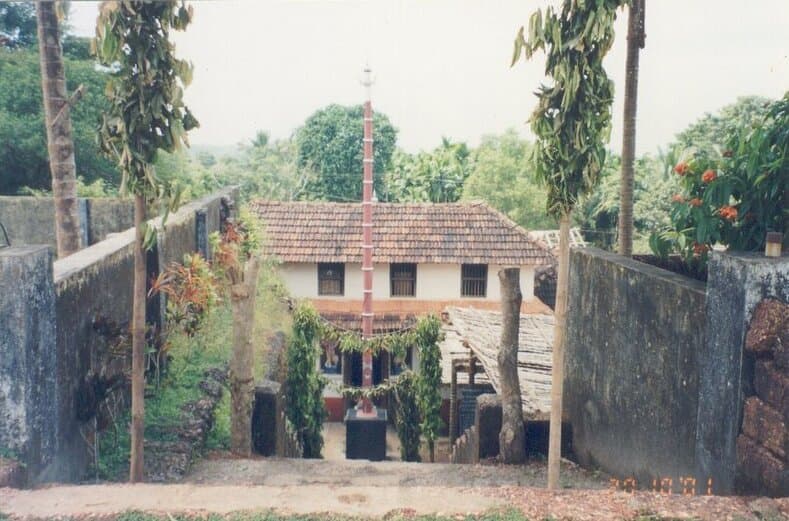
The Nellitheertha Cave Temple, located in Nellitheertha, Karnataka, India, is a Hindu temple primarily dedicated to Lord Shiva, also known as Somanatheshwara. The temple's origins can be traced back to at least 1487 CE and features a significant natural cave with a lake and a Shiva Lingam inside.
Kakatpur Mangala Temple
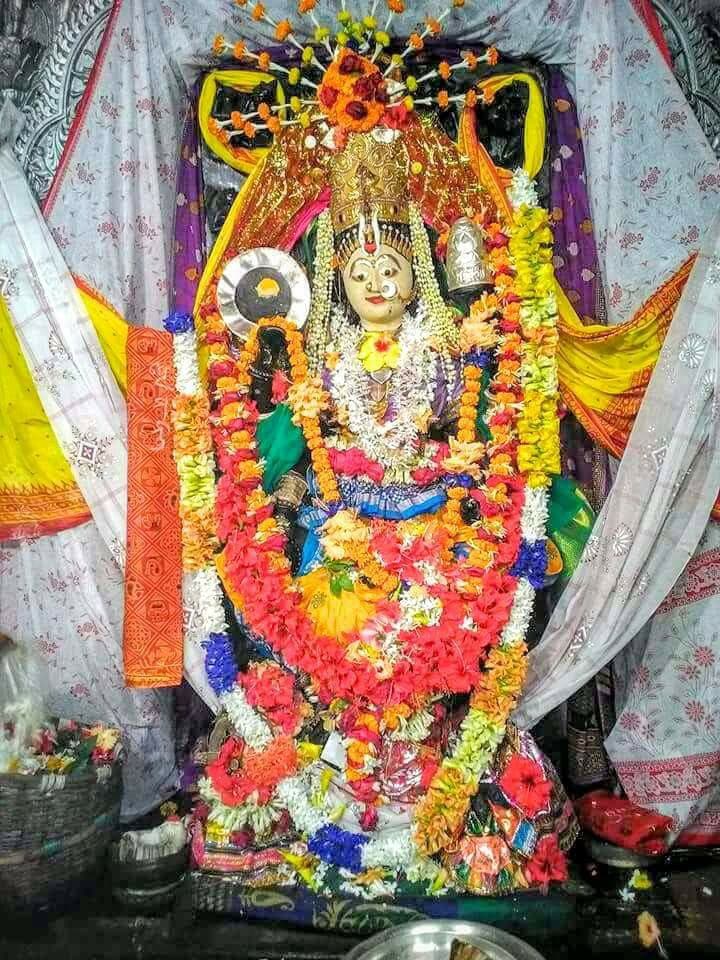
The Kakatpur Mangala Temple, located in Odisha, India, is a significant 15th-century Hindu Shakta pitha dedicated to Maa Mangala, a manifestation of the goddess Durga. It is renowned for its unique Utkaliya Peedha Vimana architectural style and its deep association with the Jagannath Temple in Puri, playing a crucial role in the Nabakalevara ritual.