
Mahavinayak Temple
The Mahavinayak Temple, situated in Chandikhole, Jajpur district, Odisha, is a significant and ancient Hindu pilgrimage center renowned for its unique worship of five deities—Shiva, Vishnu, Durga, Surya, and Ganesha—as a single divine entity. Constructed in the 12th century by the Keshari Dynasty, the temple is steeped in mythological and historical legends, including associations with the Mahabharat and the goddess Rati's devotion.
Key Facts
- ›Worships five deities (Shiva, Vishnu, Durga, Surya, Ganesha) as one in the main sanctum.
- ›Considered one of the oldest Ganesha temples in Odisha.
- ›Constructed by the Keshari Dynasty during the 12th century.
- ›Associated with legends from the Mahabharat, including Yudhisthira's capital.
- ›Celebrates major festivals like Shiva Ratri, Makar Sankranti, and Raja.
- ›Located in a scenic, densely wooded hill area, making it a popular picnic spot.

Ganesha, Shiva, Vishnu, Durga, Surya
Major Pilgrimage Center, Ancient Ganesha Temple, Unique Worship of Five Deities As One, Mythological Importance, Historical Importance, Tourism Attraction
Keshari Dynasty
Shiva Ratri, Makar Sankranti, Raja
Granite
Keshari Dynasty
About Mahavinayak Temple
The Mahavinayak Temple is a prominent Hindu pilgrimage destination located in Chandikhole, within the Jajpur district of Odisha, India. It holds the distinction of being one of the oldest temples dedicated to Lord Ganesha in the state. A unique aspect of the Mahavinayak Temple is its practice of worshipping five deities—Shiva, Vishnu, Durga, Surya, and Ganesha—as a singular divine entity within its main sanctum, the Garbhagriha. This unified worship means that the temple does not observe the traditional closing for 'pahada' (the gods' sleeping time) common in other Hindu temples.
Historical and Mythological Significance
The temple is attributed to the Keshari Dynasty of Odisha, who are credited with its construction during the 12th century. The site is rich in mythological lore, notably featuring in legends connected to the Mahabharat. It is said that the Baruna hill area served as the capital of Yudhisthira, and that Mother Kunti offered prayers here for the victory of her sons. Another legend recounts the goddess Rati's devotion, where five gods simultaneously extended their hands to receive her offering, symbolizing their collective pleasure and leading to the release of her husband, Kamadeva, from Shiva's curse. A large granite stone, believed to contain the divine power of these five gods, is said to have emerged from the earth on that day.
Worship and Festivals
Due to the simultaneous worship of Shiva and Vishnu, both Bilva and Tulasi leaves are used in the temple's 'prasadam' (sacred offerings). The temple also serves Anna (rice) prasadam instead of 'Batula Bhoga'. Major festivals celebrated here include Shiva Ratri, Makar Sankranti, and Raja. Shiva Ratri is observed annually for five days with elaborate Yagna and Homa rituals, attracting many devotees. Additionally, people visit the temple every Monday, and during the month of Shravana, Shiva devotees offer holy river water with the hope of fulfilling their wishes.
Tourism and Surroundings
The Mahavinayak Temple contributes significantly to Odisha's tourism, particularly for devotees of Shiva. Nestled amidst densely wooded hills, it offers a natural environment that appeals to trekkers and religious pilgrims, making it a popular picnic spot, especially during the winter and summer seasons. The nearby foothills host temples dedicated to Goddess Chandi and Maa Banadurga, with perennial springs and bathing ponds adding to the scenic beauty. Lodging and boarding facilities are available for pilgrims, managed by the Endowment Commissioner of Odisha and a Trustee board.
Source: Wikipedia ↗
Frequently Asked Questions
What makes the Mahavinayak Temple unique in its worship practices?
The Mahavinayak Temple is distinguished by its worship of five principal deities – Shiva, Vishnu, Durga, Surya, and Ganesha – coalescing into a single divine form within the sanctum sanctorum. This unique arrangement means temples do not close for 'pahada' (sleeping time for gods) as is common elsewhere.
What is the historical origin of the Mahavinayak Temple?
Historical accounts indicate that the Mahavinayak Temple was constructed by the kings of the Keshari Dynasty of Odisha during the 12th century. This places its origins firmly within the medieval period of the region's history.
Are there any mythological legends associated with the Mahavinayak Temple?
Yes, the temple is rich in mythology. One legend tells of Goddess Rati praying to Ganesha, with five gods simultaneously extending their hands to receive her offering, signifying their pleasure. The place is also linked to the Mahabharat, with the Baruna hill area possibly being Yudhisthira's capital.
What major festivals are celebrated at the Mahavinayak Temple?
Key festivals observed at the Mahavinayak Temple include Shiva Ratri, Makar Sankranti, and Raja. Shiva Ratri is a particularly significant event, celebrated for five days with Yagna and Homa rituals.
What is the significance of the temple for tourism?
The Mahavinayak Temple is a notable attraction for tourism in Odisha, drawing worshipers, particularly those devoted to Shiva. Its natural setting on densely wooded hills also makes it a popular picnic spot for trekkers and pilgrims, especially during the winter and summer seasons.
Related Temples (Hindu)
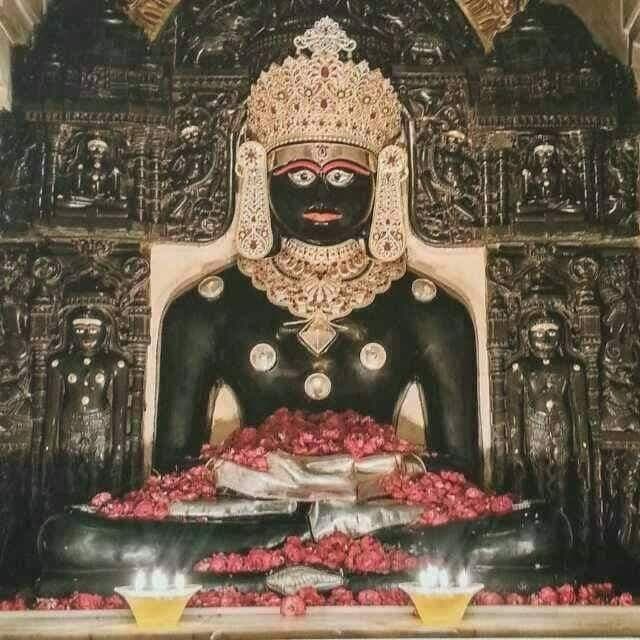
Neminath Jain Temple, Girnar
The Neminath Jain Temple, originally known as Karnavihara, is a significant Jain temple dedicated to the 24th Tirthankara, Neminatha, situated on Girnar hill in Gujarat, India. It is recognized as the foremost among the Girnar Jain temples, with its oldest existing structure dating back to the 12th century and built in the Māru-Gurjara architectural style.

Yogmaya Temple
The Yogmaya Temple, also known as Jogmaya Temple, is a Hindu temple in Mehrauli, New Delhi, dedicated to the goddess Yogmaya, an aspect of Maya and the sister of Krishna. It is considered one of the few surviving temples from the pre-Sultanate period in India and has undergone numerous reconstructions.
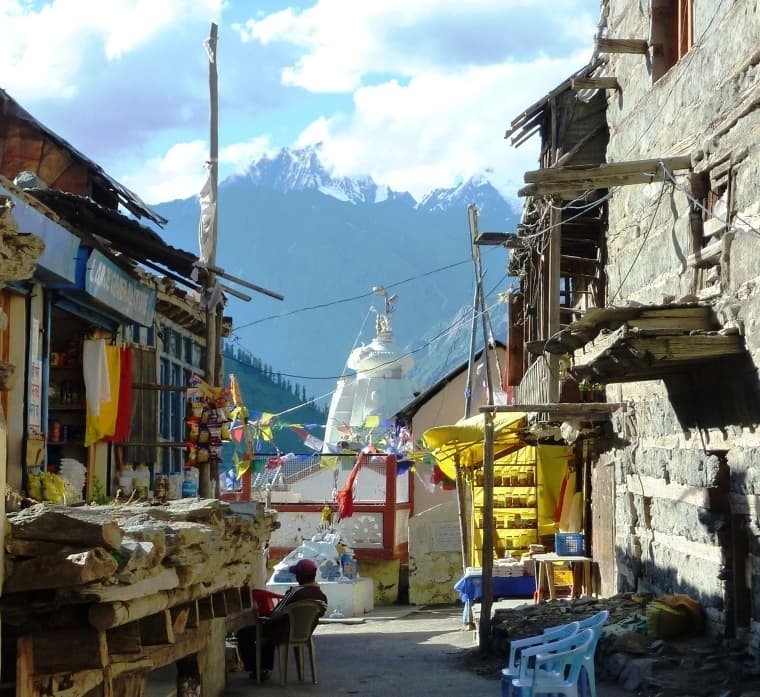
Triloknath Temple
The Triloknath Temple, located in Himachal Pradesh, India, is a significant religious site revered by both Tibetan Buddhists and Hindus. Originally believed to be a Buddhist vihara, it now houses a marble statue of Avalokiteshvara, worshipped as Shiva by Hindus and as Avalokiteshvara by Buddhists. The temple's architecture and history suggest a blend of influences, with its columns dating to the 9th century CE.