
Mahadeshwara Temple
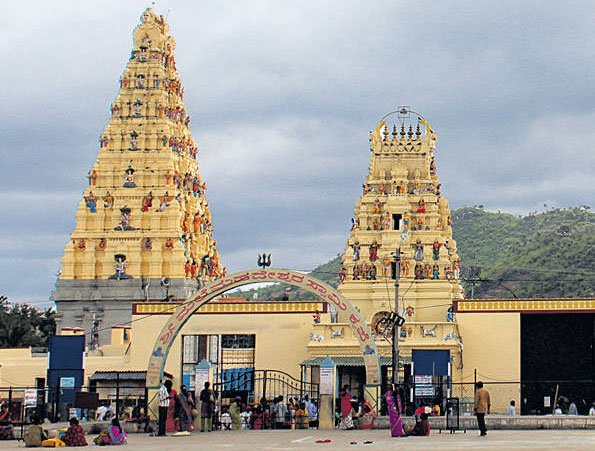
The Mahadeshwara Temple is a significant Hindu pilgrimage center located in the Chamarajanagar district of southern Karnataka, India. Dedicated to Male Mahadeshwara, an incarnation of Lord Shiva, the temple is situated amidst dense forests and draws a large number of pilgrims annually. The deity is believed to be the self-manifested Linga, with historical evidence suggesting the saint Mahadeshwara lived in the 15th century and performed penance in the area.
Key Facts
- ›Dedicated to Male Mahadeshwara, believed to be an incarnation of Lord Shiva.
- ›The Linga worshipped in the Garbha Gudi is self-manifested (swayambhu).
- ›Historical evidence suggests Saint Mahadeshwara lived and performed penance in the 15th century.
- ›The temple was built by Junje Gowda, a local landlord from the Kuruba community.
- ›Located in the Male Mahadeshwara Hills, a region characterized by dense forests and wildlife.
- ›Attracts hundreds of thousands of pilgrims from Karnataka, Tamil Nadu, and Kerala.
Shiva
- Major Hindu Pilgrimage Center
- Religious Site Dedicated To An Incarnation of Shiva
- Located In A Scenic Wildlife Sanctuary
Junje Gowda
Kaveri River, Palar River
About Mahadeshwara Temple
The Mahadeshwara Temple is a prominent Hindu pilgrimage destination located in the Male Mahadeshwara Hills of southern Karnataka, India. The temple is dedicated to Male Mahadeshwara, who is revered as an incarnation of Lord Shiva. This sacred site draws a substantial number of pilgrims, estimated in the lakhs, from the surrounding states of Karnataka, as well as parts of Tamil Nadu and Kerala.
Historical accounts suggest that the saint Mahadeshwara lived during the 15th century and came to this region to perform penance. It is believed that he continues to perform penance in the temple's inner sanctum, the Garbha Gudi, in the form of a Linga. The Linga worshipped today is considered self-manifested, or 'swayambhu'. Legends describe Male Mahadeshwara as a benevolent figure who traveled on a tiger, known as Huli Vāhana, performing miracles and aiding people and saints in the region.
The temple's construction is attributed to Junje Gowda, a local landlord from the Kuruba community and a devout follower of Shri Mahadeshwara Swamy, who is said to have built the temple in the 15th century. The temple is situated amidst the natural beauty of dense forests, at an elevation of approximately 3,000 feet above sea level, making the area attractive to both pilgrims and nature enthusiasts. The surrounding region is also designated as the Male Mahadeshwara Wildlife Sanctuary, known for its rich biodiversity.
Source: Wikipedia ↗
Frequently Asked Questions
Who is Male Mahadeshwara?
Male Mahadeshwara is a deity believed to be an incarnation of Lord Shiva. Legend states he was a saint who performed penance in the area centuries ago and is still believed to be in penance in the form of the temple's Linga.
When was the Mahadeshwara Temple built?
Historical evidence suggests that the saint Mahadeshwara lived during the 15th century. The temple itself was built by a Kuruba landlord in the 15th century.
What is the significance of the Linga at the temple?
The Linga worshipped in the Garbha Gudi is considered self-manifested (swayambhu), meaning it appeared naturally. It is believed to represent Lord Mahadeshwara himself, who is said to be performing penance in this form.
What is the geographical location of the temple?
The Mahadeshwara Temple is situated in the Male Mahadeshwara Betta (Hill), a pilgrim town in the Chamarajanagar district of southern Karnataka, India. It is located amidst dense forests at an elevation of about 3,000 feet above sea level.
What legends are associated with Male Mahadeshwara?
According to legend, Male Mahadeshwara rode on a tiger, known as Huli Vāhana, and performed various miracles, including curing diseased cattle. These tales are often sung by local folk.
Related Temples (Hindu)

Yaganti temple
The Sri Yaganti Uma Maheswara Temple, located in Andhra Pradesh, India, is a significant Hindu temple dedicated to Shiva. Constructed in the 15th century by the Vijayanagara Empire's Sangama Dynasty, it is known for its unique architectural features and popular beliefs surrounding a growing Nandi statue and the absence of crows.
Nellitheertha Cave Temple
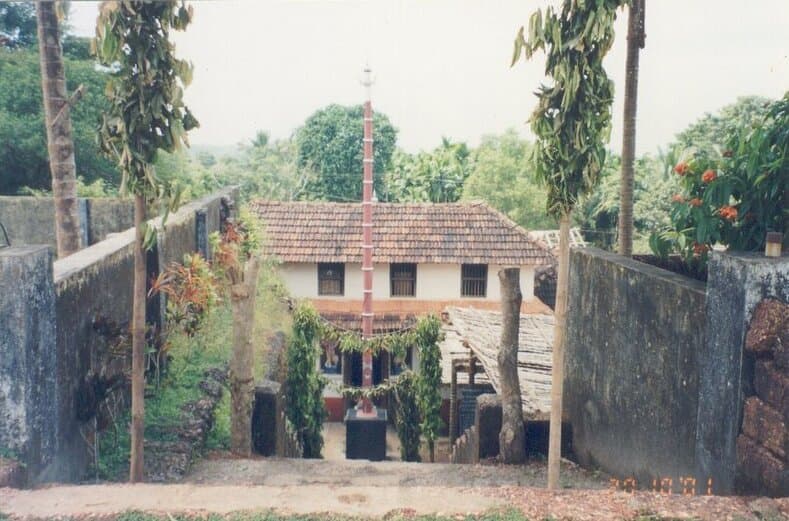
The Nellitheertha Cave Temple, located in Nellitheertha, Karnataka, India, is a Hindu temple primarily dedicated to Lord Shiva, also known as Somanatheshwara. The temple's origins can be traced back to at least 1487 CE and features a significant natural cave with a lake and a Shiva Lingam inside.
Kakatpur Mangala Temple
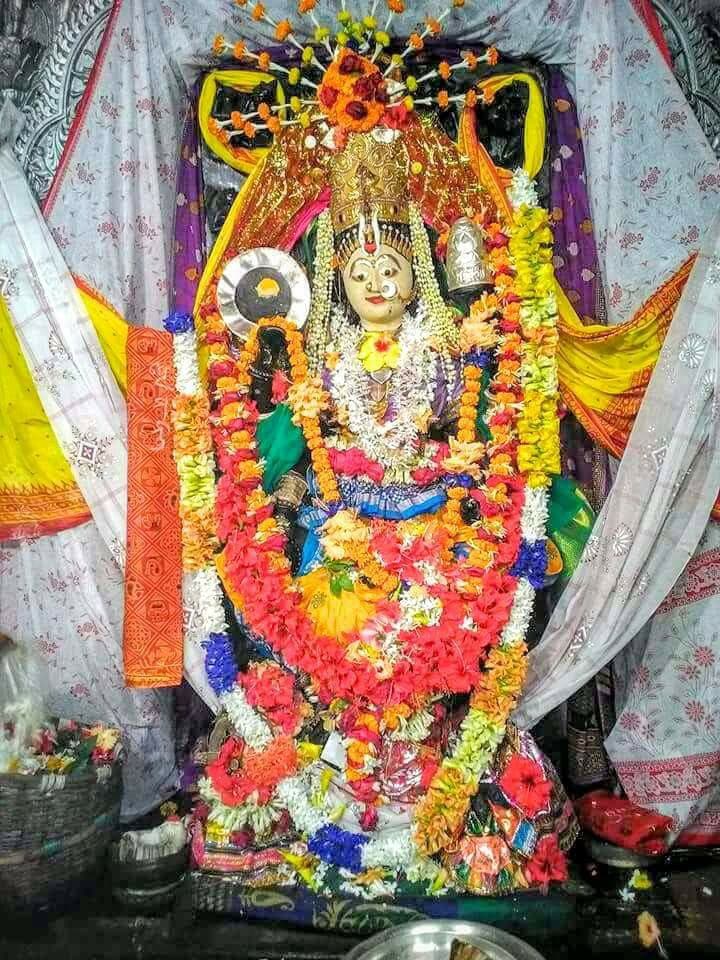
The Kakatpur Mangala Temple, located in Odisha, India, is a significant 15th-century Hindu Shakta pitha dedicated to Maa Mangala, a manifestation of the goddess Durga. It is renowned for its unique Utkaliya Peedha Vimana architectural style and its deep association with the Jagannath Temple in Puri, playing a crucial role in the Nabakalevara ritual.