
Ksheerarama
Ksheerarama is a significant Hindu temple located in Palakollu, Andhra Pradesh, India, dedicated to Lord Shiva. It is one of the five revered Pancharama Kshetras and is noted for its tall temple tower, unique milky white Shiva Lingam, and extensive history dating back to the Chalukya period.
Key Facts
- ›Ksheerarama is one of the five Pancharama Kshetras, sacred to Lord Shiva.
- ›The temple is situated in Palakollu, West Godavari district, Andhra Pradesh, India.
- ›The primary deity is Shiva, known locally as Ksheera Ramalingeswara Swamy.
- ›It features one of the tallest temple towers in Andhra Pradesh, standing at 120 ft with 9 floors.
- ›The temple's construction began during the Chalukya period in the 9th century.
- ›The Shiva Lingam is unique for its milky white color and is considered the tallest among the Pancharama Kshetras.

Shiva
- One of the Pancharama Kshetras
- Centrally Protected Monument of National Importance
- Tallest Shiva Lingam Among Pancharama Kshetras
- Architectural Significance With A Tall Tower and Historical Construction Phases
Chalukya
Mahasivaratri
Black Stone
Chalukya Bheema, Sri Velupathi, Sri Alladu Reddy
Gostani River, Godavari River
About Ksheerarama
Ksheerarama is a prominent Hindu temple located in Palakollu, West Godavari district of Andhra Pradesh, India. It holds significant religious importance as one of the five Pancharama Kshetras, which are sacred sites dedicated to Lord Shiva. The presiding deity is Shiva, locally revered as Ksheera Ramalingeswara Swamy, and the temple is renowned for its unique, milky white Shiva Lingam, which is also the tallest among the Pancharama Kshetras.
Architectural and Historical Significance
The temple's architecture is marked by its imposing 120-foot tall tower, comprising nine floors, a testament to the construction during the Chalukya period in the 9th century under the reign of Chalukya Bheema. The temple complex features 72 pillars made of black stone in its mandapa. The construction techniques employed bear resemblance to those used during the Chalukya Agnikuls period. Later historical developments include the design of the Prakara by Sri Velupathi in the 10th century and the construction of the Gopuram under the direction of Sri Alladu Reddy in the 14th century, followed by the Kalyana mantapam in the 17th century.
Religious Importance and Festivals
Ksheerarama is considered a central protected monument of national importance. Devotees believe that spending a single day at Ksheerarama is as meritorious as spending a year in Varanasi. The temple is particularly significant during the festival of Mahasivaratri, when thousands of pilgrims visit to offer prayers to Lord Ksheera Ramalingeswara Swamy, seeking blessings for spiritual liberation (Mukti). The Gostani River flows through Palakollu, and its confluence with the Godavari River near Narsapur is also a notable geographical feature associated with the area.
Source: Wikipedia ↗
Frequently Asked Questions
What is Ksheerarama and why is it important?
Ksheerarama is a sacred Hindu temple dedicated to Lord Shiva and is one of the five Pancharama Kshetras. It is considered highly significant, with a stay of one day believed to be equivalent to one year in Varanasi, and is a centrally protected monument of national importance.
Where is Ksheerarama located?
Ksheerarama is located in Palakollu, within the West Godavari district of the Indian state of Andhra Pradesh.
What are the architectural highlights of Ksheerarama?
The temple boasts one of the tallest temple towers in Andhra Pradesh, measuring 120 feet with nine floors, constructed during the 9th-century Chalukya period. Inside, the temple features 72 black stone pillars and the main deity's Lingam is visible from windows on all four sides of the sanctum.
Which deity is worshipped at Ksheerarama?
The primary deity worshipped at Ksheerarama is Lord Shiva, locally known as Ksheera Ramalingeswara Swamy. The complex also houses shrines for numerous other deities including Surya, Parvati, Lakshmi, Ganesha, Kartikeya, and Vishnu.
What is the historical significance of Ksheerarama?
The temple has a rich history, with its tower constructed during the Chalukya period in the 9th century. The Prakara was designed in the 10th century, and later additions like the Gopuram and Kalyana mantapam were made in the 14th and 17th centuries respectively.
Are there any notable festivals celebrated at Ksheerarama?
Mahasivaratri is a particularly important festival celebrated at Ksheerarama. Thousands of devotees gather to offer prayers to Lord Ksheera Ramalingeswara Swamy, seeking blessings for liberation (Mukti).
Related Temples (Hindu)

Tanot Mata Temple
The Tanot Mata Temple is a significant Hindu shrine located in the Jaisalmer district of Rajasthan, India, near the Pakistan border. Revered as a form of Goddess Hinglaj Mata, the temple is famously associated with the Indian victories in the Indo-Pakistani Wars of 1965 and 1971, with local folklore attributing the successful outcomes to divine intervention. The Border Security Force of India now manages the temple complex, which also includes a victory tower and a war museum.

Kumararama
The Kumararama Temple, also known as Bhimarama or Chalukya Kumararama Bhimeswara Temple, is a significant Hindu temple dedicated to Lord Shiva, located in Samalkota, Andhra Pradesh. It is one of the five Pancharama Kshetras and is renowned for its unique limestone Shiva Lingam, which is 16 feet tall and pierces through the roof to the second floor.
Triloknath Temple
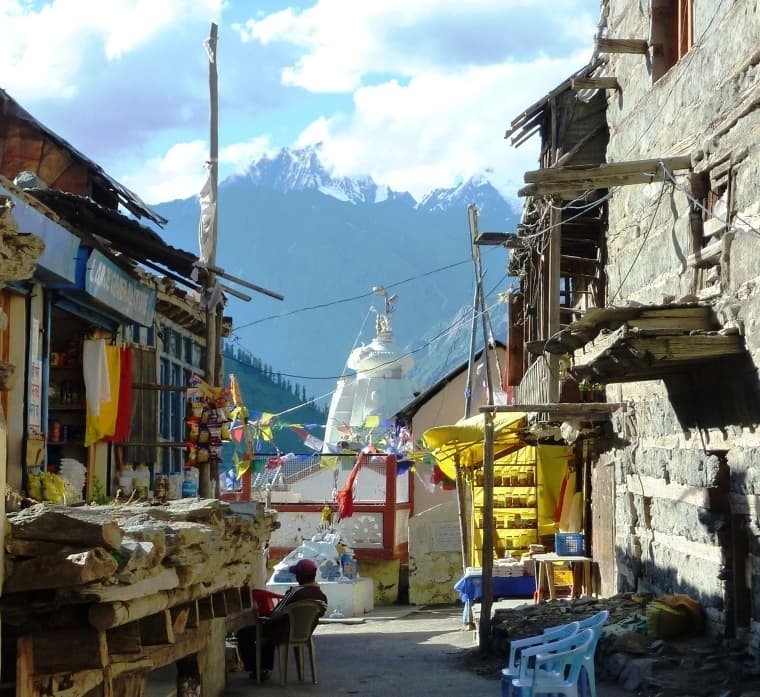
The Triloknath Temple, located in Himachal Pradesh, India, is a significant religious site revered by both Tibetan Buddhists and Hindus. Originally believed to be a Buddhist vihara, it now houses a marble statue of Avalokiteshvara, worshipped as Shiva by Hindus and as Avalokiteshvara by Buddhists. The temple's architecture and history suggest a blend of influences, with its columns dating to the 9th century CE.