
Koodalmanikyam Temple
Koodalmanikyam Temple is a significant Hindu temple located in Irinjalakuda, Thrissur district, Kerala, India. It is renowned as the only ancient temple in India dedicated to the worship of Bharata, brother of Lord Rama, though the idol represents Vishnu. The temple is part of a unique set of four temples in Kerala dedicated to the Ramayana brothers.
Key Facts
- ›Dedicated to Lord Bharata, brother of Rama, with an idol representing Vishnu.
- ›Unique in India for its specific dedication to Bharata.
- ›Part of the 'Nalambalam' set of four temples dedicated to the Ramayana brothers.
- ›Its earliest historical reference is an inscription from 854/55 AD.
- ›Features a distinctive ritualistic practice with only three pujas and no Sively, Usha Puja, or Deepa Aaradhana.
- ›The annual festival includes a ceremonial procession with seventeen elephants, including two baby elephants.

Bharata, Vishnu
- Unique Dedication To Bharata
- Historical Importance Dating Back To the 9th Century
- Part of the 'Nalambalam' Religious Circuit
- Spiritual and Administrative Importance In Irinjalakuda's History
Chera Perumal
Annual Festival In Medam
King Sthanu Ravi Kualsekhara
Kuttan Kulam, Kulipini Theertham, Padinjare Kulam, Thekke Kulam
About Koodalmanikyam Temple
Koodalmanikyam Temple is a significant Hindu temple located in Irinjalakuda Municipality, within the Thrissur district of Kerala, India. It is distinguished as the only ancient temple in India primarily dedicated to the worship of Bharata, the brother of Lord Rama. Although dedicated to Bharata, the idol enshrined within the sanctum represents Lord Vishnu. The temple is also associated with the name "Sangameshwara," meaning "the Lord of the Confluence." Its unique religious significance is further highlighted by its inclusion as one of four temples in Kerala that form the 'Nalambalam' set, each dedicated to one of the four brothers from the epic Ramayana: Rama, Bharata, Lakshmana, and Shatrughna.
History and Administration
The earliest historical record of Koodalmanikyam Temple dates back to a stone inscription from the Chera Perumal king Sthanu Ravi Kualsekhara, dating to 854/55 AD. This inscription details the leasing of vast extents of land for the temple, suggesting that the temple existed and held considerable importance even before this period. The temple has played a pivotal role in the history of the Irinjalakuda region, as a substantial portion of land in and around the area was historically owned by the temple and administered by the Thachudaya Kaimals of Travancore until 1971. The Thachudaya Kaimal, referred to as "Manikkam Keralar," holds the position of both spiritual chief and temporal ruler of the temple and its estates, a lineage mentioned in the ancient Skanda Purana.
Rituals and Festivals
Koodalmanikyam Temple exhibits unique ritualistic practices that set it apart from many other temples in Kerala. While most temples perform five pujas and three Sivelis daily, this temple observes only three pujas and does not conduct Sively, Usha Puja, or Pantheeradi Puja. A notable peculiarity is the absence of Deepa Aaradhana, making it the sole temple without this ritual. Furthermore, sticks and camphor are not utilized in the puja ceremonies. The floral offerings are specific, consisting primarily of lotus, tulasi (ocimum sanctum), and thechi (ixora), with lotus garlands, each containing not less than 101 flowers, being an important offering.
The chief annual festival of Koodalmanikyam Temple is celebrated over ten days in the month of Medam (April/May). The commencement of the festival is marked by the appearance of the Uthram asterism and the hoisting of a ceremonial flag. Each day of the festival features a 'seeveli' (procession), conducted twice daily, accompanied by Panchari Melam (sacred music). This procession involves seventeen elephants, uniquely including two baby elephants flanking the main deity's elephant. The headdresses of seven elephants are made of pure gold, while the rest are of pure silver. The festival culminates with Panchavadyam (sacred music from an ensemble of five instruments) on the final two days, ending with the Thiruvonam asterism.
Temple Ponds
The temple complex is associated with four significant ponds. Two of the largest are "Kuttan Kulam," situated outside the eastern compound, and "Kulipini Theertham," located within the temple walls. Kulipini Theertham is believed to have been sanctified by the sage Kulipini during a great ritual sacrifice (yajna) and its water is used for temple rituals. Priests are required to cleanse themselves at Kuttan Kulam before taking a ritualistic dip in Kulipini Theertham prior to entering the sanctum sanctorum. Additional ponds include "Padinjare Kulam" on the western side and "Thekke Kulam" on the southern side, all outside the main compound. These water bodies collectively occupy an area comparable to the temple itself, with all except Kulipini Theertham being open to the public.
Source: Wikipedia ↗
Frequently Asked Questions
What is the main deity worshipped at Koodalmanikyam Temple?
The Koodalmanikyam Temple is uniquely dedicated to the worship of Bharata, the brother of Lord Rama. However, the idol enshrined within the temple is that of Lord Vishnu. The deity is also known by the name 'Sangameshwara', meaning 'the Lord of the Confluence'.
What is the historical significance of Koodalmanikyam Temple?
The temple holds significant historical importance, with its earliest documented reference found on a stone inscription from 854/55 AD, attributed to the Chera Perumal king Sthanu Ravi Kualsekhara. This indicates the temple was already established and important by that era. Historically, much of the land in and around Irinjalakuda belonged to the temple and its administrators until 1971.
What makes the rituals at Koodalmanikyam Temple unique?
Koodalmanikyam Temple follows distinct ritualistic practices compared to most temples in Kerala. It observes only three pujas daily and does not conduct Sively, Usha Puja, or Pantheeradi Puja. Notably, it is the only temple that does not perform Deepa Aaradhana, and sticks and camphor are not used in the puja.
Tell me about the annual festival at Koodalmanikyam Temple.
The chief annual festival at Koodalmanikyam Temple spans ten days in the Malayalam month of Medam (April/May). The festival features a ceremonial procession, known as 'seeveli', held twice daily with seventeen elephants, including two baby elephants. Unique aspects include gold and silver headdresses on the elephants and the use of specific sacred music like Panchari Melam and Panchavadyam.
What are the temple ponds associated with Koodalmanikyam Temple?
There are four ponds connected with the temple. The largest are 'Kuttan Kulam' outside the compound and 'Kulipini Theertham' inside, believed to be sanctified by sage Kulipini. 'Padinjare Kulam' and 'Thekke Kulam' are located outside the compound on the western and southern sides, respectively. Water from Kulipini Theertham is used for rituals, while Kuttan Kulam is used for purification by priests before ceremonies.
Related Temples (Hindu)

Tanot Mata Temple
The Tanot Mata Temple is a significant Hindu shrine located in the Jaisalmer district of Rajasthan, India, near the Pakistan border. Revered as a form of Goddess Hinglaj Mata, the temple is famously associated with the Indian victories in the Indo-Pakistani Wars of 1965 and 1971, with local folklore attributing the successful outcomes to divine intervention. The Border Security Force of India now manages the temple complex, which also includes a victory tower and a war museum.

Kumararama
The Kumararama Temple, also known as Bhimarama or Chalukya Kumararama Bhimeswara Temple, is a significant Hindu temple dedicated to Lord Shiva, located in Samalkota, Andhra Pradesh. It is one of the five Pancharama Kshetras and is renowned for its unique limestone Shiva Lingam, which is 16 feet tall and pierces through the roof to the second floor.
Triloknath Temple
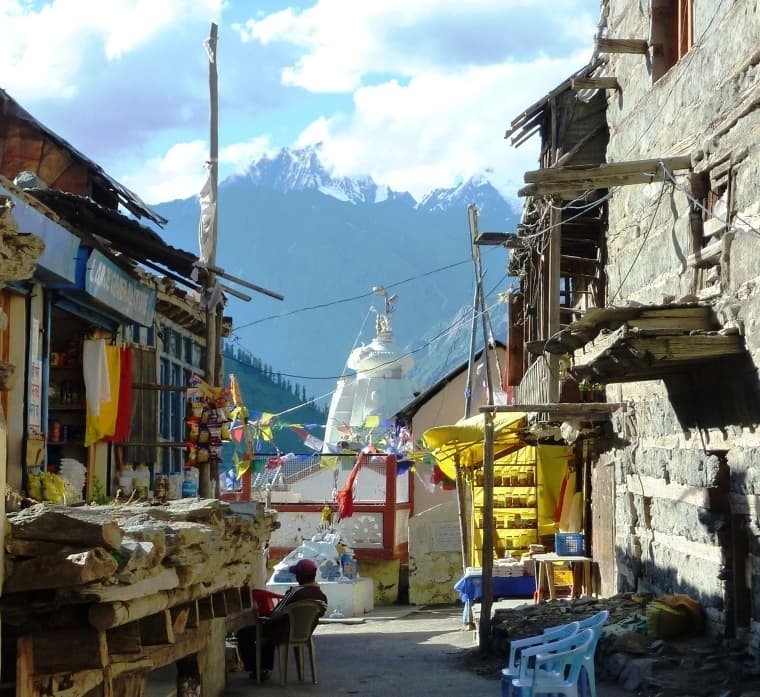
The Triloknath Temple, located in Himachal Pradesh, India, is a significant religious site revered by both Tibetan Buddhists and Hindus. Originally believed to be a Buddhist vihara, it now houses a marble statue of Avalokiteshvara, worshipped as Shiva by Hindus and as Avalokiteshvara by Buddhists. The temple's architecture and history suggest a blend of influences, with its columns dating to the 9th century CE.