
Konetirayala Temple, Keelapatla
The Konetirayala Swamy Temple, also known as the Venkateswara Temple, is a significant Hindu shrine located in Keelapatla, Chittoor District, Andhra Pradesh, India. It is dedicated to Lord Venkateswara, who is believed to have first placed his holy foot here before proceeding to Tirumala. The temple's history is intertwined with various ruling dynasties and local patrons, with mentions appearing in the works of the 15th-century saint Annamacharya.
Key Facts
- ›The temple is dedicated to Lord Venkateswara, also referred to as Konetirayudu.
- ›Legend states that Lord Venkateswara's holy foot was first placed at Keelapatla before he went to Tirumala.
- ›The temple complex houses several other deities and statues, including Jaya-Vijayas, Chennakesava, Alwars, Bhoovaraha Moorthy, Garudalwar, and Anjaneya Swamy.
- ›The 15th-century Saint Annamacharya mentioned Konetiraya in his devotional songs.
- ›The temple is currently administered by the Tirumala Tirupati Devasthanams board.
- ›Historically, the temple was patronized and developed by local Zamindars, including some Muslim rulers.
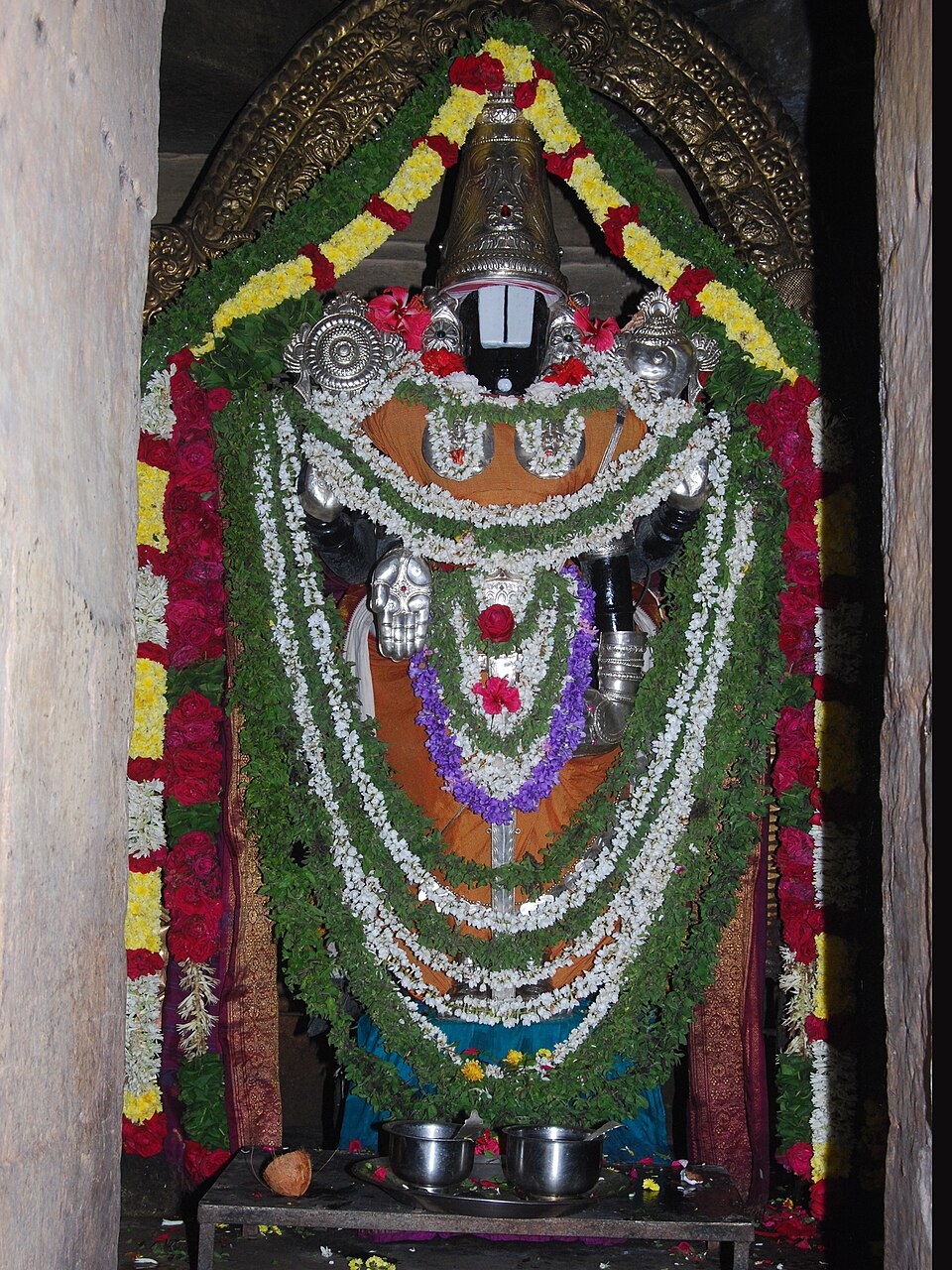
Lord Venkateswara, Konetirayudu
- Religious Pilgrimage
- Legendary Site of Lord Venkateswara's First Foot Placement
- Historical Patronage By Various Dynasties and Local Rulers
Sathavahans, Pallavas, Renuti Cholas, Rastrakootas, Banus, Chalukyas, Pandyas, Yadava Kings, Vijayanagar Emperors, Matli Kings, Moghul Kings, Arcot Nawabs, Tippu Sultan, Britishers, Palegars, Punganuru Jamindars
Saint Brughu, Punganuru 'Jamindars', Punganuru Samasthanam Jamindars
Jaya-Vijayas, Chennakesava Idol With His Two Wives, Five Alwars, Bhoovaraha Moorthy, Garudalwar, Anjaneya Swamy Statues
About Konetirayala Temple, Keelapatla
Konetirayala Swamy Temple, Keelapatla
The Konetirayala Swamy Temple, also recognized as the Venkateswara Temple, is a prominent Hindu shrine situated in the town of Keelapatla, within the Chittoor District of Andhra Pradesh, India. This sacred site is dedicated to Lord Venkateswara, a revered form of Vishnu.
Legend and Mythology
A significant legend associated with the temple posits that Lord Venkateswara first placed his Holy Foot at Keelapatla before embarking on his journey to Tirumala. Another deeply ingrained myth recounts how Saint Brughu, seeking to expiate a sin, was instructed by Lord Vishnu to establish the deity's idol in seven distinct locations on Earth. Keelapatla is identified as one of these sacred sites, established by the saint himself through mystical powers before the Lord's earthly manifestation.
Historical Context and Patronage
The history of the Konetirayala Swamy Temple is marked by the patronage of numerous ruling powers that governed the region. Over centuries, the temple likely received support from dynasties such as the Sathavahans, Pallavas, Chalukyas, and the Vijayanagar Emperors, among others listed in historical accounts. Additionally, the 15th-century Hindu saint and poet, Annamacharya, known as Andhra Pada kavitā Pitāmaha, mentioned the deity Konetiraya in his devotional compositions, underscoring the temple's ancient importance. The temple's development was significantly advanced by the Punganuru 'Jamindars', whose contributions are noted. Interestingly, historical records indicate that Muslim rulers and Punganuru Samasthanam Jamindars also played a role in the temple's improvement, reflecting a history of communal harmony and shared reverence.
Deities and Iconography
The principal deity enshrined is Lord Venkateswara, affectionately known as Konetirayudu. He is worshipped as a divine entity embodying the qualities of a Kalpatharu (wish-fulfilling tree), Chintamani (celestial gem), and Kamadhenu (divine cow). Within the sanctum, the idol of Konetirayadu is depicted in a standing posture, mirroring the iconography at Tirumala, complete with natural Sankhu and Chakras, and the impressions of Sridevi and Bhudevi on his chest. The temple complex also houses numerous other significant idols and statues, including the gatekeepers Jaya-Vijayas, an ancient idol of Chennakesava with his consorts, the five Alwars, Bhoovaraha Moorthy, Garudalwar, and Anjaneya Swamy.
Administration
Currently, the Konetirayala Swamy Temple is administered by the Tirumala Tirupati Devasthanams (TTD) board, an organization responsible for the management of several prominent Hindu temples in the region.
Source: Wikipedia ↗
Frequently Asked Questions
What is the legend behind the Konetirayala Swamy Temple?
According to legend, Lord Venkateswara first placed his holy foot at Keelapatla before proceeding to the famous Tirumala shrine. Another myth suggests that Saint Brughu, after an act of sin, was tasked with establishing the Lord's idol in seven places on Earth, with Keelapatla being one of them.
Who is the primary deity worshipped at Konetirayala Swamy Temple?
The primary presiding deity is Lord Venkateswara, who is also referred to as Konetirayudu. He is venerated as a divine entity capable of granting boons, possessing celestial power, and fulfilling all desires, akin to a Kalpatharu, Chintamani, and Kamadhenu.
What is the historical significance of the Konetirayala Swamy Temple?
The temple has a long history, with its development attributed to various ruling dynasties including the Sathavahans, Pallavas, Chalukyas, and Vijayanagar Emperors. The 15th-century saint Annamacharya also referenced Konetiraya in his compositions, highlighting the temple's ancient roots.
Who were the patrons of the Konetirayala Swamy Temple?
Historically, the temple was developed by the Punganuru 'Jamindars'. Notably, even Muslim rulers and Punganuru Samasthanam Jamindars who were Muslim contributed to the temple's improvement, indicating a history of interfaith patronage.
What other deities and idols can be found at the temple?
Within the sanctum, Konetirayadu stands in a posture similar to that at Tirumala. The temple complex also features statues of Jaya-Vijayas, an ancient Chennakesava idol with his consorts, five Alwars, Bhoovaraha Moorthy, Garudalwar, and Anjaneya Swamy.
Related Temples (Hindu)

Taraknath Temple
The Taraknath Temple, located in Tarakeswar, West Bengal, India, is a significant Hindu pilgrimage site dedicated to Lord Shiva, worshiped here as Tarakanatha. Constructed in 1729, it features a distinct Bengal architectural style with an 'atchala' structure and an adjacent 'natmandir'. The temple is renowned for its belief that a dip in the nearby Dudhpukur tank fulfills prayers and is considered one of the 64 Jyotirlingas.

Tanot Mata Temple
The Tanot Mata Temple is a significant Hindu shrine located in the Jaisalmer district of Rajasthan, India, near the Pakistan border. Revered as a form of Goddess Hinglaj Mata, the temple is famously associated with the Indian victories in the Indo-Pakistani Wars of 1965 and 1971, with local folklore attributing the successful outcomes to divine intervention. The Border Security Force of India now manages the temple complex, which also includes a victory tower and a war museum.
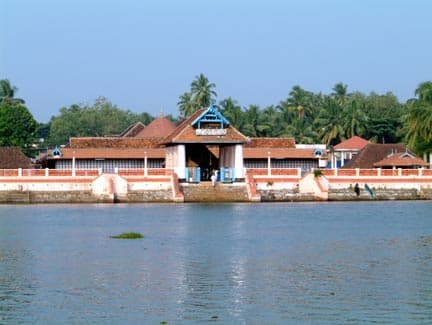
Thriprayar Temple
The Thriprayar Temple, also known as the Shree Ramaswami Temple, is a significant Hindu temple located in Triprayar, Thrissur district, Kerala, India. It is dedicated to Lord Rama, the seventh incarnation of Vishnu, who is depicted with four arms holding a conch, discus, bow, and garland. The temple's origin story involves the idol being worshipped by Krishna in Dwarka, later immersed in the sea, and eventually found by fishermen.