
Kondagattu Anjaneya Swamy Temple
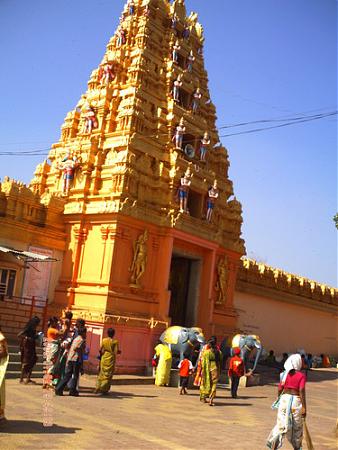
The Kondagattu Anjaneya Swamy Temple is a significant Hindu shrine dedicated to Lord Hanuman, located on a hill near Muthyumpeta village in Telangana, India. It is one of the state's most visited Hanuman temples and a major pilgrimage site, especially during Hanuman Jayanti.
Key Facts
- ›Dedicated to Lord Hanuman (Anjaneya), a prominent deity in Hinduism.
- ›Situated on a hill in Jagitial district, Telangana, India.
- ›A major pilgrimage destination, particularly for Hanuman Jayanti.
- ›Believed by devotees to bless childless couples and cure ailments.
- ›Recognized by NITI Aayog in its "Divya Bharat" anthology for its significance.
- ›One of Telangana's highest revenue-generating Hindu temples.
Hanuman
- Major Pilgrimage Destination For Lord Hanuman Devotees
- Site of Spiritual Significance With Beliefs of Blessings and Cures
- Recognized For Cultural, Spiritual, and Heritage Importance
- One of the Highest Revenue-Generating Hindu Temples In Telangana
Pedda Hanuman Jayanti, Chinna Hanuman Jayanti
About Kondagattu Anjaneya Swamy Temple
The Kondagattu Anjaneya Swamy Temple is a significant Hindu place of worship dedicated to Lord Hanuman, also known as Anjaneya. It is situated atop a hill near Muthyumpeta village in the Mallial mandal of Jagitial district, Telangana, India. This temple is recognized as one of the most visited Hanuman shrines in the state and holds considerable importance as a pilgrimage destination, particularly during the Hanuman Jayanti celebrations.
History and Tradition
Local tradition suggests that the temple has been a revered center for Hanuman worship for several centuries. Devotees hold a strong belief that Lord Anjaneya himself manifested on this hill, bestowing spiritual significance upon the shrine. It is a place where individuals seek strength, protection, and solace from life's difficulties. Over time, Kondagattu has evolved into one of Telangana's foremost pilgrimage centers for devotees of Hanuman.
Devotional Beliefs
Beyond its general spiritual significance, the temple is associated with specific devotional beliefs. It is widely believed that couples who are unable to have children will be blessed with offspring if they perform puja at the temple for 40 consecutive days. Furthermore, devotees believe that individuals suffering from mental disabilities or other health ailments can find cures through a similar 40-day period of dedicated worship.
Festivals and Pilgrimage
The temple is most celebrated for its annual festivals, Pedda Hanuman Jayanti and Chinna Hanuman Jayanti. These occasions attract thousands of devotees from Telangana, Andhra Pradesh, and neighboring states, who participate in special pujas, religious processions, and community services. The influx of pilgrims during these times makes it one of the largest Hanuman Jayanti gatherings in Telangana.
Development and Recognition
The Telangana Government has initiated substantial redevelopment projects at the Kondagattu Temple. These efforts aim to enhance pilgrim amenities, improve road connectivity, provide better accommodation, and focus on environmental conservation. Plans include extensive renovations, landscaping, and the development of guest houses and integrated tourism facilities. In recognition of its cultural, spiritual, and heritage value, the temple was included in NITI Aayog's "Divya Bharat" anthology in 2026. It is also noted as one of the highest revenue-generating Hindu temples in Telangana.
Source: Wikipedia ↗
Frequently Asked Questions
What is the significance of the Kondagattu Anjaneya Swamy Temple?
The Kondagattu Anjaneya Swamy Temple is highly significant as a prominent Hindu shrine dedicated to Lord Hanuman. Devotees believe that Lord Anjaneya manifested on the hill, making it a spiritually potent site for seeking strength, protection, and relief from hardships.
Where is the Kondagattu Anjaneya Swamy Temple located?
The temple is situated on a hill near Muthyumpeta village, within the Mallial mandal of Jagitial district in Telangana, India. It is approximately 15 km from Jagitial and 35 km from Karimnagar.
What are the main festivals celebrated at Kondagattu?
The temple is most renowned for its annual Pedda Hanuman Jayanti and Chinna Hanuman Jayanti celebrations. These events draw thousands of devotees from Telangana, Andhra Pradesh, and neighboring states for special pujas and religious ceremonies.
What are the beliefs associated with the Kondagattu temple?
According to local tradition, devotees believe that offering puja for 40 days at this temple can bless childless couples with children. It is also believed that those with mental disabilities or other health diseases can be cured through 40 days of worship.
What developments are planned for the Kondagattu Anjaneya Swamy Temple?
The Telangana Government is undertaking major redevelopment initiatives to enhance pilgrim amenities, accommodation, and infrastructure. Plans include large-scale renovations, landscaping, and integrated tourism development.
Has the temple received any national recognition?
Yes, in 2026, the Kondagattu Anjaneya Swamy Temple was included in NITI Aayog's "Divya Bharat" anthology. This recognition highlights its cultural, spiritual, and heritage significance as an important pilgrimage destination in India.
Related Temples (Hindu)

Taraknath Temple
The Taraknath Temple, located in Tarakeswar, West Bengal, India, is a significant Hindu pilgrimage site dedicated to Lord Shiva, worshiped here as Tarakanatha. Constructed in 1729, it features a distinct Bengal architectural style with an 'atchala' structure and an adjacent 'natmandir'. The temple is renowned for its belief that a dip in the nearby Dudhpukur tank fulfills prayers and is considered one of the 64 Jyotirlingas.

Tanot Mata Temple
The Tanot Mata Temple is a significant Hindu shrine located in the Jaisalmer district of Rajasthan, India, near the Pakistan border. Revered as a form of Goddess Hinglaj Mata, the temple is famously associated with the Indian victories in the Indo-Pakistani Wars of 1965 and 1971, with local folklore attributing the successful outcomes to divine intervention. The Border Security Force of India now manages the temple complex, which also includes a victory tower and a war museum.
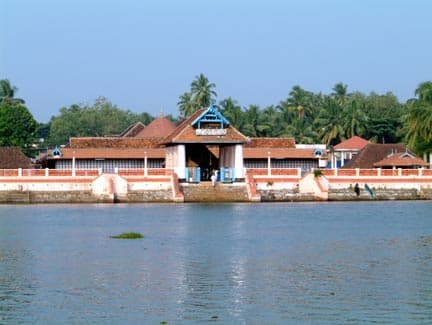
Thriprayar Temple
The Thriprayar Temple, also known as the Shree Ramaswami Temple, is a significant Hindu temple located in Triprayar, Thrissur district, Kerala, India. It is dedicated to Lord Rama, the seventh incarnation of Vishnu, who is depicted with four arms holding a conch, discus, bow, and garland. The temple's origin story involves the idol being worshipped by Krishna in Dwarka, later immersed in the sea, and eventually found by fishermen.