
Kartikeya Temple, Pehowa
The Kartikeya Temple in Pehowa, Haryana, is recognized as one of North India's oldest temples dedicated to Kartikeya, also known as Skanda or Murugan. This temple is notable for its adherence to specific rules, including the prohibition of women, reflecting the deity's brahmachari form. It is believed that devotees of this shrine achieve victory in all their life's battles.
Key Facts
- ›One of the oldest Kartikeya temples in North India.
- ›Located in the center of Pehowa, Kurukshetra district, Haryana.
- ›Dedicated to Kartikeya, also known by names like Skanda, Murugan, and Shanmukha.
- ›Women are strictly forbidden from entering the temple.
- ›Devotees observe strict rules during Chaturmas.
- ›Believed that devotees of the shrine never lose battles.

Kartikeya, Skanda
Religious Pilgrimage, Historical Importance As An Old Shrine
Chaturmas
About Kartikeya Temple, Pehowa
The Kartikeya Temple, located in the heart of Pehowa in Haryana's Kurukshetra district, stands as a significant religious site in North India. It is recognized as one of the oldest temples dedicated to Kartikeya, a prominent Hindu deity also known by names such as Skanda, Murugan, and Shanmukha. The temple's location is strategic, situated approximately 200 kilometers from Delhi and close to the Punjab border.
Legends and Worship
The worship of Kartikeya is deeply rooted in Hindu mythology, with legends like those from the Skanda Purana detailing his divine birth and exploits. He is revered as the son of Shiva and Parvati, born to destroy the demon Taraka. The temple observes unique rules that reflect the deity's ascetic nature; women are strictly forbidden from entering, as the shrine venerates the brahmachari form of Lord Kartikeya. Furthermore, devotees adhere to stringent observances during the Chaturmas period, from Ashadha through Kartik.
Spiritual Significance
The Kartikeya Temple holds considerable spiritual importance, with a belief that its devoted followers are granted victory in all life's endeavors. This conviction draws pilgrims seeking blessings and spiritual strength. Its status as one of the oldest Kartikeya shrines in the region underscores its historical and religious legacy.
Source: Wikipedia ↗
Frequently Asked Questions
Where is the Kartikeya Temple located?
The Kartikeya Temple is situated in the center of Pehowa, a township in the Kurukshetra district of Haryana. It is approximately 200 kilometers from Delhi and close to the border of Haryana and Punjab.
What are the specific rules observed at the Kartikeya Temple?
Women are strictly forbidden from entering the Kartikeya Temple, as it celebrates the brahmachari form of Lord Kartikeya. Devotees also observe very strict rules during the months of Chaturmas, which span from Ashadha through Kartik.
Why is Kartikeya worshipped at this temple?
Kartikeya, also known as Skanda, is a popular Hindu deity worshipped across India and is known by many names. The Skanda Purana narrates legends about his birth and his role in destroying the demon Taraka, making him a significant figure for worship.
What is the significance of the Kartikeya Temple?
The Kartikeya Temple is significant as one of the oldest temples dedicated to Kartikeya in North India. It is also associated with a belief that a true devotee of this shrine will never lose any battles in their life.
Related Temples (Hindu)

Taraknath Temple
The Taraknath Temple, located in Tarakeswar, West Bengal, India, is a significant Hindu pilgrimage site dedicated to Lord Shiva, worshiped here as Tarakanatha. Constructed in 1729, it features a distinct Bengal architectural style with an 'atchala' structure and an adjacent 'natmandir'. The temple is renowned for its belief that a dip in the nearby Dudhpukur tank fulfills prayers and is considered one of the 64 Jyotirlingas.

Tanot Mata Temple
The Tanot Mata Temple is a significant Hindu shrine located in the Jaisalmer district of Rajasthan, India, near the Pakistan border. Revered as a form of Goddess Hinglaj Mata, the temple is famously associated with the Indian victories in the Indo-Pakistani Wars of 1965 and 1971, with local folklore attributing the successful outcomes to divine intervention. The Border Security Force of India now manages the temple complex, which also includes a victory tower and a war museum.
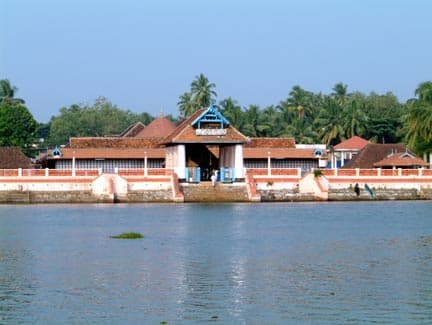
Thriprayar Temple
The Thriprayar Temple, also known as the Shree Ramaswami Temple, is a significant Hindu temple located in Triprayar, Thrissur district, Kerala, India. It is dedicated to Lord Rama, the seventh incarnation of Vishnu, who is depicted with four arms holding a conch, discus, bow, and garland. The temple's origin story involves the idol being worshipped by Krishna in Dwarka, later immersed in the sea, and eventually found by fishermen.