
Karnaprayag
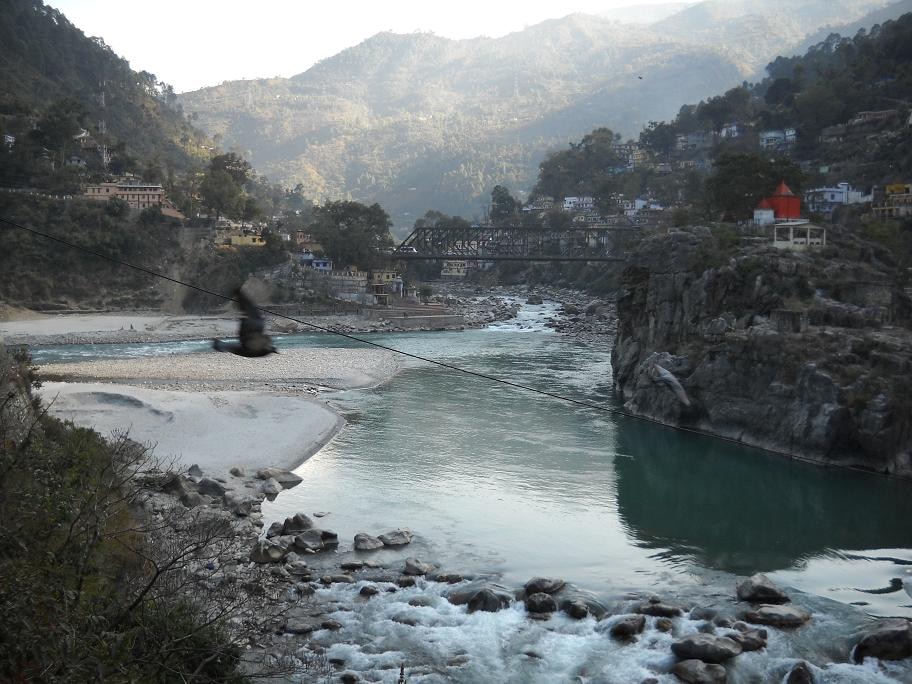
Karnaprayag is a significant town and municipal board in Uttarakhand, India, renowned as one of the five sacred confluences (Panch Prayag) of the Alaknanda River. Situated at the meeting point of the Alaknanda and Pindar rivers, it is a vital stop on the pilgrimage route to Badrinath and holds deep religious importance due to its association with figures from the Mahabharata.
Key Facts
- ›Located in the Chamoli District of Uttarakhand, India.
- ›Forms one of the Panch Prayag (five confluences) at the meeting of the Alaknanda and Pindar rivers.
- ›Believed to be the site where Karna of the Mahabharata worshipped the Sun God.
- ›Features an ancient temple dedicated to Goddess Uma.
- ›Serves as a sub-divisional headquarters for the Chamoli district.
- ›On the pilgrimage route to Badrinath.
Uma, Sun God
- Religious Pilgrimage Site
- Sacred Confluence of Rivers
- Mythological Association With Karna of the Mahabharata
Alaknanda River, Pindar River
About Karnaprayag
Overview of Karnaprayag
Karnaprayag is a significant town and municipal board situated in the Chamoli District of Uttarakhand, India. It is renowned as one of the Panch Prayag, the five sacred confluences of the Alaknanda River, specifically marking the meeting point of the Alaknanda and Pindar rivers. This geographical and spiritual location makes Karnaprayag a crucial stop for pilgrims traveling to the holy shrine of Badrinath.
Religious and Mythological Significance
The town holds deep religious importance, with beliefs associating it with profound events from Hindu epics. It is widely believed to be the sacred spot where Karna, a valiant warrior from the Mahabharata, worshipped the Sun God for many years to obtain the invincible shield that made him a formidable force on the battlefield. Additionally, some traditions suggest that Lord Krishna performed the cremation rites for Karna at this very location. The presence of an ancient temple dedicated to Goddess Uma further enhances its spiritual aura.
Geographical Context and Accessibility
Karnaprayag is located at an average elevation of 860 meters (2,820 feet) and lies on the crucial National Highway NH58. This highway connects Delhi with Badrinath and the Mana Pass, making Karnaprayag a well-traversed route for pilgrims and tourists during the summer months. Swami Vivekananda is also noted to have meditated here for eighteen days, accompanied by his spiritual peers, Guru Turianand ji and Akharanand ji, adding another layer to its historical and spiritual resonance. The town also serves as the sub-divisional headquarters for the Chamoli district.
Source: Wikipedia ↗
Frequently Asked Questions
What is Karnaprayag famous for?
Karnaprayag is famous as one of the Panch Prayag, the five sacred river confluences in Uttarakhand, India. Specifically, it marks the confluence of the Alaknanda and Pindar rivers. It is also believed to be a site where Karna from the Mahabharata worshipped the Sun God and where Lord Krishna performed Karna's cremation.
Where is Karnaprayag located?
Karnaprayag is located in the Chamoli District of Uttarakhand, India. It is situated at an average elevation of 860 meters (2,820 feet) and lies on National Highway NH58.
Which rivers meet at Karnaprayag?
The Alaknanda River and the Pindar River meet at Karnaprayag. The Pindar River originates from the Pindari glacier.
What is the religious significance of Karnaprayag?
Karnaprayag holds significant religious importance as one of the Panch Prayag and a sacred pilgrimage site. It is believed to be the place where Karna, a prominent character from the Mahabharata, meditated for years to gain divine boons. There is also an ancient temple dedicated to Goddess Uma in Karnaprayag.
How can one reach Karnaprayag?
Karnaprayag is accessible by road, lying on National Highway NH58, and is a common stop for pilgrims traveling to Badrinath. The nearest major railway station is Haridwar, and the closest airport is Jolly Grant Airport near Dehradun.
Related Temples (Hindu)

Taraknath Temple
The Taraknath Temple, located in Tarakeswar, West Bengal, India, is a significant Hindu pilgrimage site dedicated to Lord Shiva, worshiped here as Tarakanatha. Constructed in 1729, it features a distinct Bengal architectural style with an 'atchala' structure and an adjacent 'natmandir'. The temple is renowned for its belief that a dip in the nearby Dudhpukur tank fulfills prayers and is considered one of the 64 Jyotirlingas.

Tanot Mata Temple
The Tanot Mata Temple is a significant Hindu shrine located in the Jaisalmer district of Rajasthan, India, near the Pakistan border. Revered as a form of Goddess Hinglaj Mata, the temple is famously associated with the Indian victories in the Indo-Pakistani Wars of 1965 and 1971, with local folklore attributing the successful outcomes to divine intervention. The Border Security Force of India now manages the temple complex, which also includes a victory tower and a war museum.
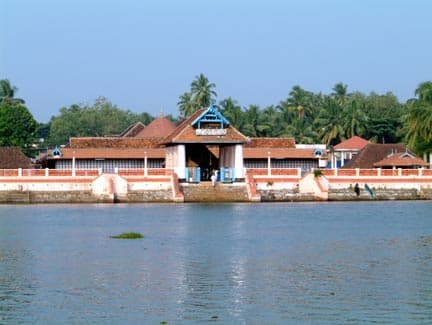
Thriprayar Temple
The Thriprayar Temple, also known as the Shree Ramaswami Temple, is a significant Hindu temple located in Triprayar, Thrissur district, Kerala, India. It is dedicated to Lord Rama, the seventh incarnation of Vishnu, who is depicted with four arms holding a conch, discus, bow, and garland. The temple's origin story involves the idol being worshipped by Krishna in Dwarka, later immersed in the sea, and eventually found by fishermen.