
Karmanghat Hanuman Temple
The Karmanghat Hanuman Temple, located in Hyderabad, Telangana, India, is a significant Hindu temple dedicated to Hanuman as Dhyana Anjaneya. Built around 1198 CE, its history is linked to the Kakatiya king Prola II, who was inspired to construct the temple after discovering a Hanuman idol. The temple is a popular site for devotees, especially on Tuesdays, Saturdays, and Hanuman Jayanti.
Key Facts
- ›Dedicated to Hanuman as Dhyana Anjaneya.
- ›Believed to have been built around 1198 CE.
- ›Founded after King Prola II discovered a Hanuman idol while hunting.
- ›Houses idols of other deities including Rama, Shiva, Saraswati, and Durga.
- ›Popular pilgrimage site, especially for prayers on Tuesdays and Saturdays.
- ›Celebrates Hanuman Jayanti with special poojas and large gatherings.

Hanuman
- Religious Pilgrimage Site
- Historical Significance Linked To Kakatiya Dynasty
Kakatiya
Hanuman Jayanti
Prola Ii
Seated Idol of Hanuman
About Karmanghat Hanuman Temple
The Karmanghat Hanuman Temple is a prominent Hindu temple situated in Hyderabad, in the Indian state of Telangana. The temple's primary deity is Hanuman, worshipped here as Dhyana Anjaneya. The complex also features shrines dedicated to other deities, including Rama, Shiva, Saraswati, Durga, Santoshimata, Venugopala, and Jagannath, reflecting a broader devotional landscape.
History and Foundation
The temple's origins are traced back to approximately 1198 CE. Historical accounts suggest its foundation was inspired by the Kakatiya king Prola II. While on a hunting expedition, the king reportedly rested under a tree and heard the chanting of Rama's name. Investigating the source, he discovered an idol of Hanuman in a seated posture. Upon returning to his capital, Hanuman is said to have appeared in Prola II's dream, commanding him to construct a temple at the site of the idol.
Present Day Significance
Today, the Karmanghat Hanuman Temple is a highly popular destination for devotees in and around Hyderabad. Tuesdays and Saturdays are considered particularly auspicious for offering prayers and performing religious rituals to Hanuman. The temple observes Hanuman Jayanti, the celebration of Hanuman's birth, with significant fervor, drawing large crowds for special poojas. The temple management also engages in charitable activities by providing free meals, known as "annadanam," to a limited number of people daily.
Source: Wikipedia ↗
Frequently Asked Questions
When was the Karmanghat Hanuman Temple built?
The Karmanghat Hanuman Temple is believed to have been built around 1198 CE. Its construction was initiated by the Kakatiya king Prola II.
What is the legend behind the temple's founding?
According to legend, King Prola II was hunting when he heard chanting and discovered a stone idol of Hanuman. Hanuman later appeared in his dream, instructing him to build a temple at the site.
Which deities are worshipped at Karmanghat Hanuman Temple?
The presiding deity is Hanuman in the form of Dhyana Anjaneya. The temple complex also houses deities such as Rama, Shiva, Saraswati, Durga, Santoshimata, Venugopala, and Jagannath.
What are the temple's visiting hours?
The temple is open from 6 am to 1 pm and 4:30 pm to 8:30 pm on most days. On Tuesdays and Saturdays, it has extended hours from 5:30 am to 1 pm and 4:30 pm to 9 pm.
When do devotees typically visit the temple?
Devotees frequently visit the temple to offer prayers and perform rituals on Tuesdays and Saturdays. Large numbers also visit on Hanuman Jayanti, the birthday of Hanuman, for special poojas.
Related Temples (Hindu)
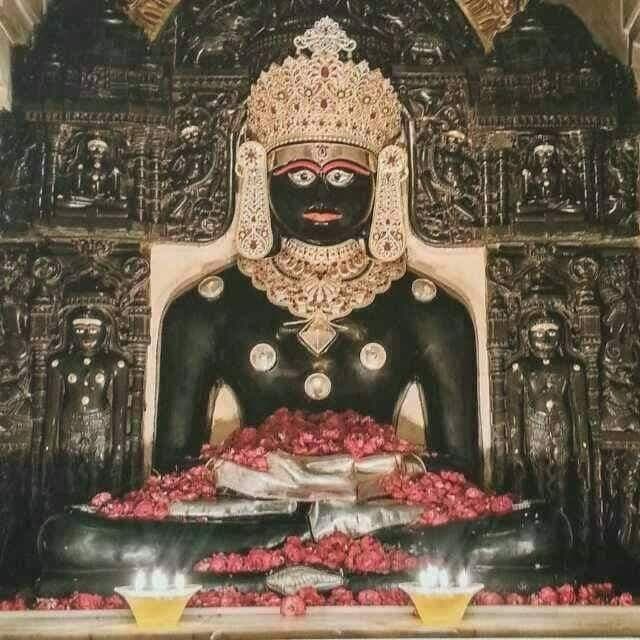
Neminath Jain Temple, Girnar
The Neminath Jain Temple, originally known as Karnavihara, is a significant Jain temple dedicated to the 24th Tirthankara, Neminatha, situated on Girnar hill in Gujarat, India. It is recognized as the foremost among the Girnar Jain temples, with its oldest existing structure dating back to the 12th century and built in the Māru-Gurjara architectural style.

Yogmaya Temple
The Yogmaya Temple, also known as Jogmaya Temple, is a Hindu temple in Mehrauli, New Delhi, dedicated to the goddess Yogmaya, an aspect of Maya and the sister of Krishna. It is considered one of the few surviving temples from the pre-Sultanate period in India and has undergone numerous reconstructions.
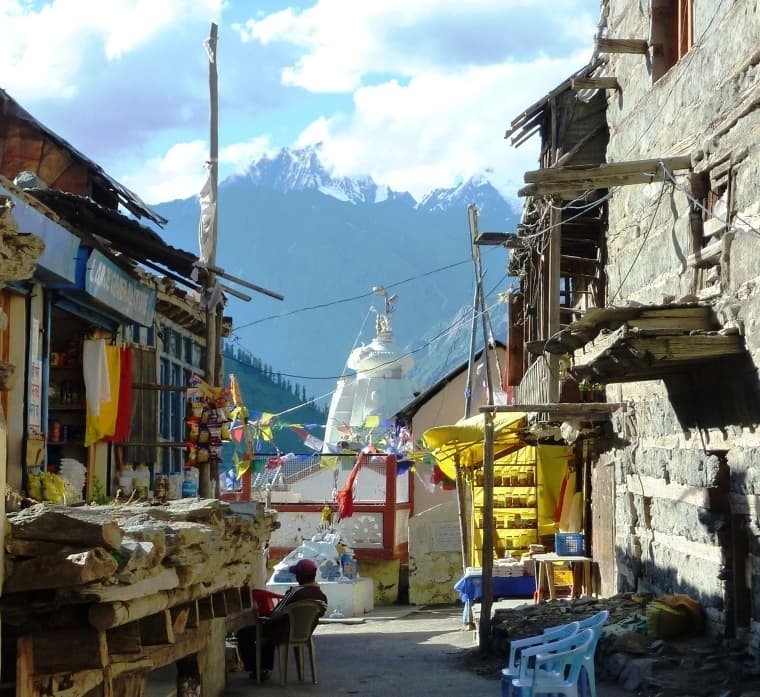
Triloknath Temple
The Triloknath Temple, located in Himachal Pradesh, India, is a significant religious site revered by both Tibetan Buddhists and Hindus. Originally believed to be a Buddhist vihara, it now houses a marble statue of Avalokiteshvara, worshipped as Shiva by Hindus and as Avalokiteshvara by Buddhists. The temple's architecture and history suggest a blend of influences, with its columns dating to the 9th century CE.