
Jogeshwari
Jogeshwari is a prominent suburb in western Mumbai, India, renowned for its ancient cave temples. The most notable among these is the Jogeshwari Caves, which houses shrines dedicated to the deities Jogeshwari, Shiva, and Hanuman and is considered one of the oldest Hindu cave temples in the region.
Key Facts
- ›Jogeshwari is a suburb located in the western part of Mumbai, Maharashtra, India.
- ›It is home to the Jogeshwari Caves, a significant Hindu cave temple complex.
- ›The Jogeshwari Caves are among the oldest and largest Hindu cave temples, dating back to approximately the 5th century.
- ›Key deities worshipped within the caves include Jogeshwari, Shiva, and Hanuman.
- ›The suburb is served by Jogeshwari railway station and Jogeshwari East metro station.
- ›The Jogeshwari–Vikhroli Link Road enhances connectivity between western and eastern Mumbai suburbs.

Jogeshwari, Shiva, Hanuman
- Historical Importance As One of the Oldest Hindu Cave Temples
- Religious Pilgrimage Site
- Architectural Significance of Cave Temples
About Jogeshwari
Jogeshwari is a significant suburb situated in the western part of Mumbai, Maharashtra, India. It holds considerable historical and religious importance primarily due to the presence of the Jogeshwari Caves, a complex recognized as one of the oldest and largest Hindu cave temples in the region. These ancient structures are believed to date back to approximately the 5th century.
Religious Significance
The Jogeshwari Caves are a place of worship for several key Hindu deities. Specifically, the caves contain shrines dedicated to the goddess Jogeshwari, Lord Shiva, and Lord Hanuman. This makes the site a focal point for devotees and a vital part of Mumbai's religious landscape.
Accessibility and Infrastructure
Jogeshwari is well-connected by public transportation, with the Jogeshwari railway station and the Jogeshwari East metro station serving the area. The Jogeshwari–Vikhroli Link Road is a vital piece of infrastructure that links Jogeshwari with Vikhroli, another eastern suburb, easing travel and connectivity between different parts of the city, despite experiencing traffic congestion during peak hours. The suburb also features educational institutions and healthcare facilities, including the HBT trauma hospital.
Source: Wikipedia ↗
Frequently Asked Questions
What is Jogeshwari famous for?
Jogeshwari is primarily known for the Jogeshwari Caves, which are among the oldest and largest Hindu cave temples in India. These caves feature shrines dedicated to important deities.
When were the Jogeshwari Caves built?
The Jogeshwari Caves are believed to have been constructed around the 5th century, making them a historically significant site.
Which deities are worshipped at the Jogeshwari Caves?
The Jogeshwari Caves house shrines for the Hindu deities Jogeshwari, Shiva, and Hanuman, reflecting a rich tradition of worship.
What is the significance of the Jogeshwari–Vikhroli Link Road?
The Jogeshwari–Vikhroli Link Road is a crucial arterial road that connects the western suburb of Jogeshwari with the eastern suburb of Vikhroli, improving access and connectivity across Mumbai.
Related Temples (Hindu)
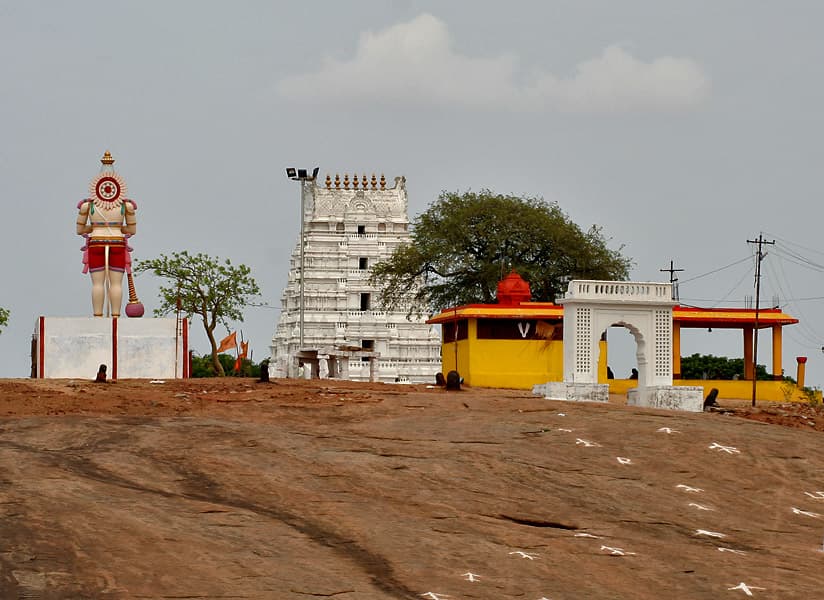
Keesaragutta Temple
Keesaragutta Temple, located in Telangana, India, is a significant Hindu temple dedicated to Lord Shiva and Parvati. Legend states that Lord Rama installed the primary lingam here, leading to its name Ramalingeswara, and it is believed to be a Swayambhu Linga. The temple is a popular pilgrimage site, especially during Maha Shivaratri and the month of Kartika.

Ardhanareeswarar temple, Tiruchengode, Namakkal
The Ardhanareeswarar Temple in Tiruchengode, Tamil Nadu, is an ancient Hindu temple dedicated to Ardhanarishvara, the composite form of Shiva and Parvati. It is renowned for its unique deity image and its location atop a sacred hill, accessible by a climb of 1156 steps. The temple holds significant religious importance, being praised in ancient Saivite hymns and renovated by various dynasties.
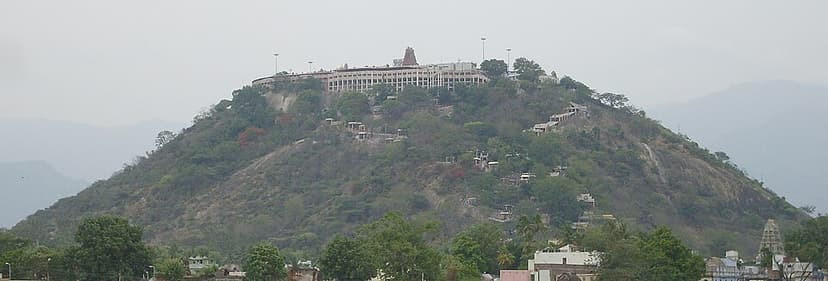
Palani Murugan Temple
The Palani Murugan Temple, also known as Dhandayuthapani Swamy Temple, is a significant Hindu temple dedicated to Lord Murugan, located atop a hillock in Palani, Tamil Nadu. It is revered as one of the Six Abodes of Murugan and is a major pilgrimage site, drawing devotees for its unique rituals and prasadam.