
Palani Murugan Temple
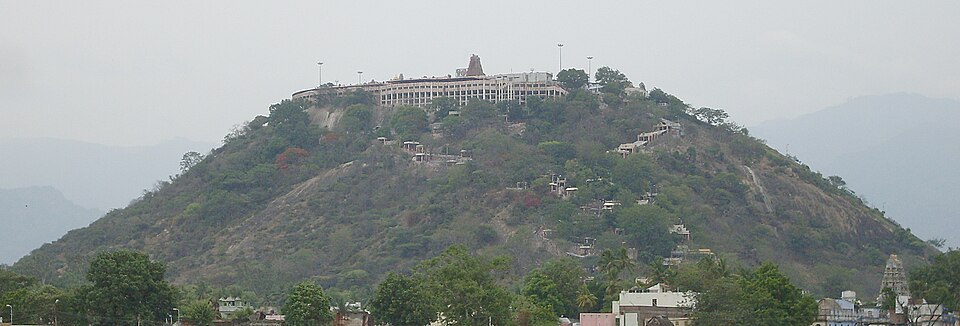
The Palani Murugan Temple, also known as Dhandayuthapani Swamy Temple, is a significant Hindu temple dedicated to Lord Murugan, located atop a hillock in Palani, Tamil Nadu. It is revered as one of the Six Abodes of Murugan and is a major pilgrimage site, drawing devotees for its unique rituals and prasadam.
Key Facts
- ›Dedicated to Lord Murugan, it is one of the six Abodes of Murugan.
- ›The idol is believed to be consecrated by sage Bogar using a mixture of nine herbs known as Navapashanam.
- ›The temple has been expanded over centuries by various dynasties including the Cheras, Cholas, Pandyas, and Vijayanagar Empire.
- ›Tonsuring is a major tradition, where devotees shave their heads to fulfill vows.
- ›Panchamritam, a sweet mixture offered as prasadam, is a registered Geographical Indication.
- ›Pilgrims can ascend the hill by stairs, a sliding path, a winch-operated railway, or a rope car.
Murugan
- One of the Six Abodes of Murugan
- Major Pilgrimage Site
- Historical Importance With Patronage From Multiple Dynasties
- Architectural Significance With Dravidian and Pandyan Influences
Chera Dynasty, Chola Dynasty, Pandya Dynasty, Vijayanagar Empire, Madurai Nayaks, Mysore Kingdom
Thaipusam, Panguni Uthiram, Vaikhashi Vishakham, Sura Samhaaram
Navapashanam, Gold, Silver, Precious Stones
Sage Bogar, Chera King, Chola Kings, Pandya Kings, Vijayanagar Empire Rulers, Madurai Nayaks
- Sculptures of Hindu Gods and Goddesses On the Vimanam
- Figure of A Chera King On Southern Walls
- Stela At the Foot of the Staircase
Sarvana Poigai
About Palani Murugan Temple
The Palani Murugan Temple, also known as Dhandayuthapani Swamy Temple, is a highly revered Hindu temple dedicated to Lord Murugan, situated atop the Sivagiri hillock in Palani, Dindigul district of Tamil Nadu, India. It stands as one of the most significant of the Six Abodes of Murugan, attracting millions of pilgrims annually.
Mythology and Legend
Mythological accounts place the temple's origins in the legend of Lord Murugan choosing to reside as a hermit in Palani. This decision stemmed from a dispute over a fruit of knowledge with his brother Ganesha. The hillock itself is said to have been brought from Mount Kailasha by the asura Idumban, who was tasked by sage Agastya to carry two mountains to the south to restore cosmic balance. The temple's deep connection to asceticism and renunciation is reflected in Murugan's form as Dhandayuthapani, a young recluse armed with a staff.
Historical Context and Construction
The region's historical significance is noted in Sangam literature, with mentions of the location as Thiruaavinankudi. The temple's construction is believed to have begun between the 2nd and 5th centuries CE by the Chera dynasty, who were instrumental in building the initial structure after a king's divine instruction to restore a neglected idol. Over centuries, the temple complex was expanded and patronized by successive dynasties, including the Cholas, Pandyas, the Vijayanagar Empire, and the Madurai Nayaks, each leaving their architectural and spiritual imprint.
Architecture and Deity
The sanctum of the temple exhibits early Dravidian architecture, while the surrounding ambulatory pathways show Pandyan influences. The main idol of Lord Murugan, known as Dhandapani, is a unique creation attributed to the Siddhar sage Bogar, who is believed to have formed it from an amalgam of nine potent herbs and minerals known as Navapashanam. This idol is worshipped in the form of a young ascetic, shorn of hair, clad in a loincloth, and holding a staff.
Practices and Pilgrimage
Palani Murugan Temple is renowned for its distinctive practices. Tonsuring, where devotees shave their heads, is a major ritual undertaken to fulfill vows and symbolize shedding worldly attachments. The temple is also famous for its prasadam, Panchamritam, a sweet mixture of five ingredients, which has received Geographical Indication status. Pilgrims ascend the hill via various means, including stone steps, a sliding pathway, a winch-operated railway, and a rope car, with the latter two offering modern convenience. Major festivals celebrated with great fervor include Thaipusam, Panguni Uthiram, Vaikhashi Vishakham, and Sura Samhaaram.
Source: Wikipedia ↗
Frequently Asked Questions
What is the significance of Palani Murugan Temple?
Palani Murugan Temple is one of the most prominent of the Six Abodes of Murugan, making it a highly significant pilgrimage destination. It is revered for its ancient idol consecrated by sage Bogar and its unique rituals and offerings.
What is the legend behind the Palani Murugan Temple?
According to mythology, Lord Murugan chose to reside as a hermit in Palani after feeling cheated in a contest for a fruit of knowledge. The hillock itself is believed to have been brought from Kailasha by the asura Idumban on the orders of sage Agastya.
What is special about the idol at Palani Murugan Temple?
The main idol of Murugan is believed to be made from an amalgam of nine poisonous substances that form an eternal medicine, known as Navapashanam. This unique composition is attributed to sage Bogar.
What are the prominent rituals and practices at Palani Murugan Temple?
Key rituals include 'abhishekam' (anointment) with various substances, tonsuring by devotees to fulfill vows, and offering Panchamritam as prasadam. Festivals dedicated to Murugan, such as Thaipusam, are celebrated with great fervor.
How can one reach the Palani Murugan Temple?
The temple is accessible by road and rail to the town of Palani. Pilgrims can ascend the hill by foot via stairs, a sliding path, a winch-operated railway, or a rope car, with the rope car significantly upgraded for higher capacity.
Related Temples (Hindu)

Ardhanareeswarar temple, Tiruchengode, Namakkal
The Ardhanareeswarar Temple in Tiruchengode, Tamil Nadu, is an ancient Hindu temple dedicated to Ardhanarishvara, the composite form of Shiva and Parvati. It is renowned for its unique deity image and its location atop a sacred hill, accessible by a climb of 1156 steps. The temple holds significant religious importance, being praised in ancient Saivite hymns and renovated by various dynasties.
Keesaragutta Temple
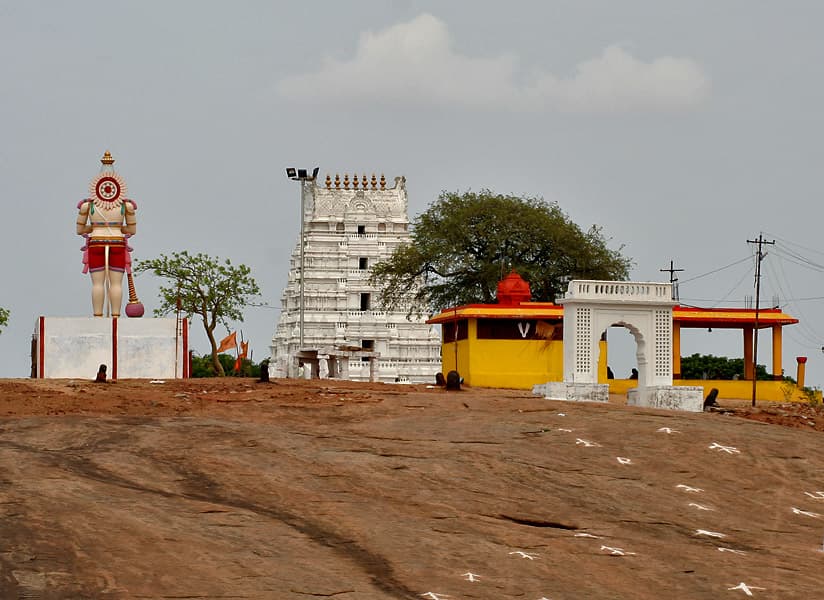
Keesaragutta Temple, located in Telangana, India, is a significant Hindu temple dedicated to Lord Shiva and Parvati. Legend states that Lord Rama installed the primary lingam here, leading to its name Ramalingeswara, and it is believed to be a Swayambhu Linga. The temple is a popular pilgrimage site, especially during Maha Shivaratri and the month of Kartika.

Jogeshwari
Jogeshwari is a prominent suburb in western Mumbai, India, renowned for its ancient cave temples. The most notable among these is the Jogeshwari Caves, which houses shrines dedicated to the deities Jogeshwari, Shiva, and Hanuman and is considered one of the oldest Hindu cave temples in the region.