
Jambukeswarar Temple, Thiruvanaikaval
The Jambukeswarar Temple in Thiruvanaikaval, Tamil Nadu, is a significant Hindu temple dedicated to Lord Shiva, representing the element of water. It is renowned for its unique architecture, ancient inscriptions, and a legend involving the goddess Parvati and the elements of nature. The temple is a prominent pilgrimage site and an active center of worship.
Key Facts
- ›Represents the element of water (Neer) among the five Mahābhūta temples of Tamil Nadu.
- ›Features an underground stream within the sanctum, with the deity Jambukeshwarar's lingam reportedly emerging from water.
- ›Associated with a legend where Parvati, in the form of Akilandeswari, performed penance and worshipped Shiva.
- ›Contains inscriptions dating back to the Chola period, indicating its historical importance.
- ›The temple's architecture includes a massive outer wall, a large pillared hall, and multiple precincts.
- ›It is one of the 275 Paadal Petra Sthalams, a collection of revered Shiva temples.

Shiva, Parvati
- Represents the Element of Water In the Pancha Bhoota Sthalam Tradition.
- One of the 275 Paadal Petra Sthalams.
- Historical Site With Inscriptions From the Chola Period.
- Architecturally Significant With Massive Structures and Enclosures.
- Active Pilgrimage Destination.
Chola, Hoysala
Natyanjali
Granite
King Kochengot Chola, Hoysala King Someswara
- Panel In Bas-Relief Over the Sanctum Window Depicting the Sthala Puranam
- Sculpture of Ekapada Trimurti
Cauvery River, Underground Stream, Small Water Tank
About Jambukeswarar Temple, Thiruvanaikaval
The Jambukeswarar Temple, located in Thiruvanaikaval near Tiruchirapalli in Tamil Nadu, India, is a highly revered Hindu temple dedicated to Lord Shiva. It holds significant importance as one of the five major Shiva temples in Tamil Nadu that represent the Mahābhūta, or the five fundamental elements of nature. This particular temple embodies the element of water, known as 'neer' in Tamil, and is famous for the perpetual underground stream within its sanctum, which is said to flow from the deity's lingam.
Legend and Worship
According to local legends, the goddess Parvati, in her form as Akilandeswari, performed penance in the Jambu forest and created a lingam from the waters of the Cauvery River. Shiva, in response, appeared as Jambukeshwarar. The temple also narrates the story of an elephant and a spider who were devoted worshippers of Shiva and were eventually liberated from their curses. The primary deities worshipped are Shiva as Jambukeshwarar and his consort Parvati as Akilandeswari. Uniquely, their sanctums are positioned opposite each other, reflecting a divine teacher-student dynamic, and unlike most Shiva temples, a marriage ceremony (Thiru Kalyanam) is not conducted here.
Architectural Grandeur and Historical Significance
The temple complex is vast, featuring a massive outer wall, the Vibudi Prakara, which is over 1.6 kilometers long. It includes a large hall with 796 pillars and multiple enclosures, showcasing impressive architectural feats. Inscriptions found within the temple point to its historical roots, with significant contributions from the Chola dynasty. Later, the Hoysala king Someswara played a crucial role in expanding the temple, building numerous shrines and the prominent 7-tiered rajagopuram. The temple is recognized as one of the 275 Paadal Petra Sthalams, a collection of ancient and sacred Shiva temples.
Active Worship and Cultural Practices
Jambukeswarar Temple remains an active center of worship and a significant pilgrimage destination. Daily rituals, such as Annabhishekam (ablution with cooked rice) to the lingam, are performed. A distinctive noon pooja sees the chief priest dressed as a female to perform worship to Jambukeswara, a practice rooted in the legend of Akilandeswari. The temple also hosts the annual Natyanjali festival and has a legacy of nurturing classical arts, including a school for the nadhaswaram instrument. The temple is administered by the Hindu Religious and Charitable Endowments Department of the Government of Tamil Nadu.
Source: Wikipedia ↗
Frequently Asked Questions
What is the significance of the water element at Jambukeswarar Temple?
Jambukeswarar Temple is one of the five major Shiva temples in Tamil Nadu that represent the Mahābhūta, or five elements of nature. This temple specifically symbolizes the element of water (Neer). The sanctum of Jambukeswara features an underground stream, and the deity is worshipped as the Appu Lingam, or Water Lingam.
What is the legend behind the temple?
According to legend, Parvati once mocked Shiva's penance and was directed to Earth to perform her own penance. She chose the Jambu forest and created a lingam from the Cauvery river's water. Shiva, in the form of Jambukeswara, eventually granted her darshan and taught her Siva Gnana. Another legend involves an elephant and a spider who worshipped Shiva here and were eventually liberated from their curses.
Who are the main deities worshipped at the temple?
The primary deity worshipped is Lord Shiva, who is present as Jambukeshwarar. His consort, Goddess Parvati, is worshipped as Akilandeswari. The temple is unique in that the sanctums of Shiva and Parvati face each other, signifying a teaching-learning dynamic.
What is notable about the temple's architecture?
The temple boasts massive outer walls, including the Vibudi Prakara, which stretches over 1.6 kilometers. It also features a large hall with 796 pillars and multiple enclosures of varying sizes. The sanctum sanctorum is a square structure with a vimana on its roof, and the deity is viewed through a stone window with nine apertures, said to represent the Navagrahas.
What historical periods are associated with the temple's construction and patronage?
The temple has inscriptions from the Chola period, indicating patronage during that era. It was significantly expanded by the Hoysala king Someswara, who built numerous shrines and is also credited with the construction of the 7-tiered rajagopuram. The temple was also maintained by Vellalars and Nattukottai Nagarathars in later centuries.
Is the Jambukeswarar Temple an active place of worship?
Yes, Jambukeswarar Temple is an active place of worship. Daily rituals like Annabhishekam to the lingam are performed. The noon pooja, where the priest dresses as a female to perform puja to Jambukeswara, is a famous daily ritual attended by many pilgrims.
Related Temples (Hindu)
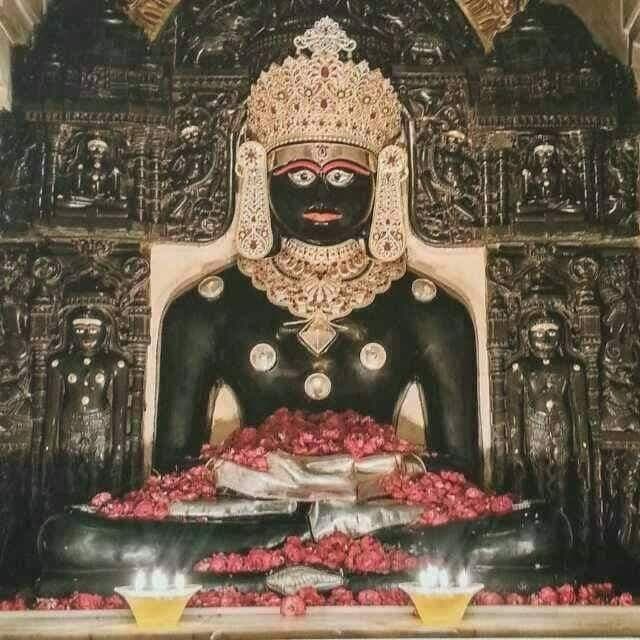
Neminath Jain Temple, Girnar
The Neminath Jain Temple, originally known as Karnavihara, is a significant Jain temple dedicated to the 24th Tirthankara, Neminatha, situated on Girnar hill in Gujarat, India. It is recognized as the foremost among the Girnar Jain temples, with its oldest existing structure dating back to the 12th century and built in the Māru-Gurjara architectural style.

Yogmaya Temple
The Yogmaya Temple, also known as Jogmaya Temple, is a Hindu temple in Mehrauli, New Delhi, dedicated to the goddess Yogmaya, an aspect of Maya and the sister of Krishna. It is considered one of the few surviving temples from the pre-Sultanate period in India and has undergone numerous reconstructions.
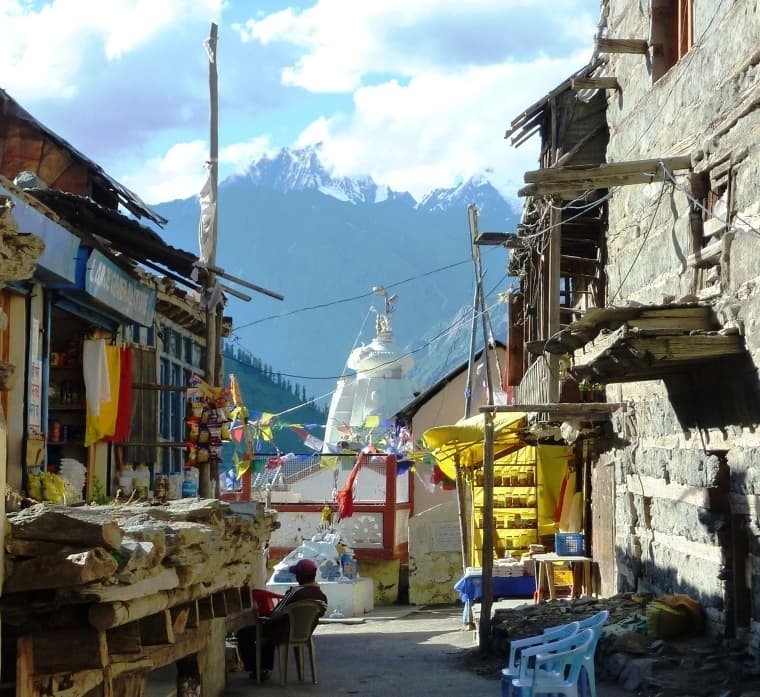
Triloknath Temple
The Triloknath Temple, located in Himachal Pradesh, India, is a significant religious site revered by both Tibetan Buddhists and Hindus. Originally believed to be a Buddhist vihara, it now houses a marble statue of Avalokiteshvara, worshipped as Shiva by Hindus and as Avalokiteshvara by Buddhists. The temple's architecture and history suggest a blend of influences, with its columns dating to the 9th century CE.