
Gundiyat Gaon
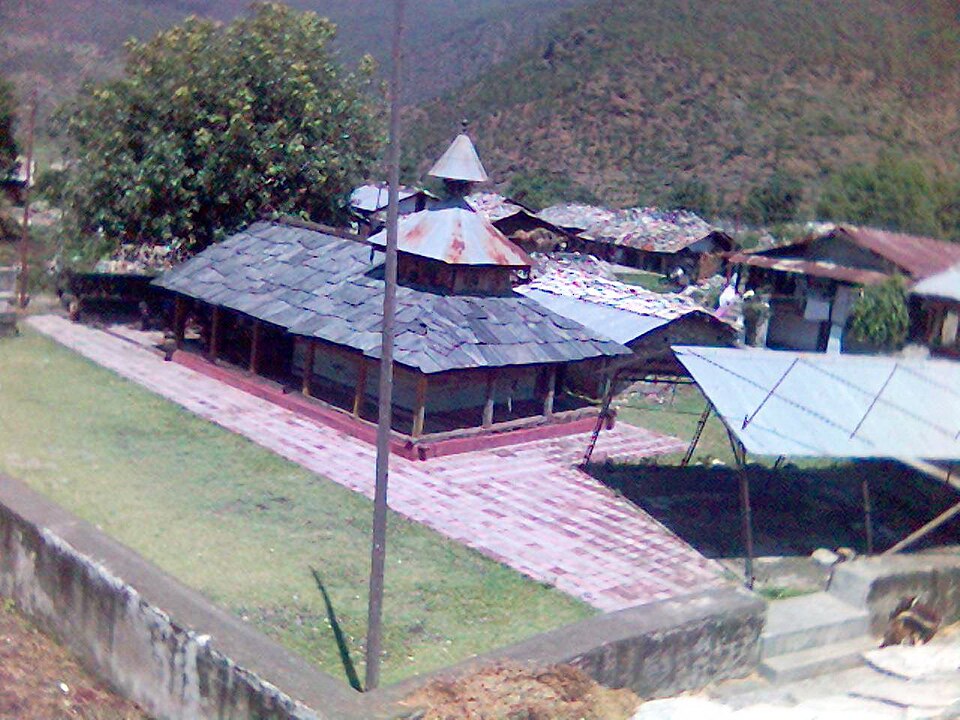
Gundiyat Gaon is a village situated in the Rawain valley of Uttarakhand, India, nestled in the Himalayan foothills. The village is distinguished by a local deity temple at its center, housing idols of Kapil Muni Maharaj, Khandasuri Dev, and Kali Mayya, and is considered the largest settlement in the valley.
Key Facts
- ›Located in the Rawain valley, foothills of the Himalaya, Uttarakhand, India.
- ›Serves as the largest village in the Rawain valley.
- ›Features a central temple dedicated to Kapil Muni Maharaj, Khandasuri Dev, and Kali Mayya.
- ›The temple walls are constructed from large, finely cut stone blocks with intricate engravings.
- ›A nearby temple dedicated to Lord Shiva, Kamleshwar, houses an ancient linga.
- ›The village is named after Late Shri Gundi Prasad Nautiyal.
Kapil Muni Maharaj, Khandasuri Dev, Kali Mayya, Shiva
Architectural Example of Ancient Art, Religious Pilgrimage Destination
Stone
Shri Gundi Prasad Nautiyal
Engravings of Gods, Various Designs
About Gundiyat Gaon
Gundiyat Gaon is a village located in the Rawain valley, situated in the foothills of the Himalaya in Uttarakhand, India. It stands as the largest village within the valley and is positioned approximately 150 kilometers from Dehradun, the capital of Uttarakhand, at an elevation of 1,550 meters.
Central Temple
The village is home to a local deity temple situated at its heart. This temple houses idols of Kapil Muni Maharaj, Khandasuri Dev, and Kali Mayya. The architecture of this temple is recognized as a fine example of ancient artistry, with its walls constructed from large, precisely cut rectangular blocks of rare stone. Each of these stone blocks features intricate engravings that depict gods and various decorative motifs.
Nearby Religious Site
In addition to the central temple, a Shiva temple dedicated to Kamleshwar is located near Gundiyat Gaon. This temple is notable for containing an ancient linga of Lord Shiva. The presence of these religious sites draws visitors from various places in large numbers, contributing to the village's significance as a place of worship and pilgrimage.
Source: Wikipedia ↗
Frequently Asked Questions
Where is Gundiyat Gaon located?
Gundiyat Gaon is a village situated in the Rawain valley, in the foothills of the Himalaya, within the state of Uttarakhand, India. It is approximately 150 kilometers from Dehradun, the state capital.
What deities are worshipped at the main temple in Gundiyat Gaon?
The local deity temple at the center of Gundiyat Gaon has idols of Kapil Muni Maharaj, Khandasuri Dev, and Kali Mayya. These are the primary deities worshipped at this temple.
What is notable about the architecture of the Gundiyat Gaon temple?
The temple in Gundiyat Gaon is noted for its ancient architecture, featuring walls constructed from large, rectangular blocks of fine stone. These blocks are intricately engraved with depictions of gods and various decorative designs.
Is there any other significant religious site near Gundiyat Gaon?
Yes, there is a temple dedicated to Lord Shiva, known as Kamleshwar, located near the village. This temple is significant for housing an ancient linga of Lord Shiva.
Why is Gundiyat Gaon considered an important place?
Gundiyat Gaon is significant as the largest village in the Rawain valley and features a temple with ancient architectural elements and valuable stone engravings. It also attracts visitors due to its religious sites, including the Kamleshwar temple.
Related Temples (Hindu)

Taraknath Temple
The Taraknath Temple, located in Tarakeswar, West Bengal, India, is a significant Hindu pilgrimage site dedicated to Lord Shiva, worshiped here as Tarakanatha. Constructed in 1729, it features a distinct Bengal architectural style with an 'atchala' structure and an adjacent 'natmandir'. The temple is renowned for its belief that a dip in the nearby Dudhpukur tank fulfills prayers and is considered one of the 64 Jyotirlingas.

Tanot Mata Temple
The Tanot Mata Temple is a significant Hindu shrine located in the Jaisalmer district of Rajasthan, India, near the Pakistan border. Revered as a form of Goddess Hinglaj Mata, the temple is famously associated with the Indian victories in the Indo-Pakistani Wars of 1965 and 1971, with local folklore attributing the successful outcomes to divine intervention. The Border Security Force of India now manages the temple complex, which also includes a victory tower and a war museum.
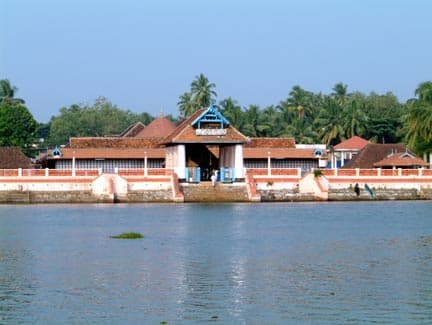
Thriprayar Temple
The Thriprayar Temple, also known as the Shree Ramaswami Temple, is a significant Hindu temple located in Triprayar, Thrissur district, Kerala, India. It is dedicated to Lord Rama, the seventh incarnation of Vishnu, who is depicted with four arms holding a conch, discus, bow, and garland. The temple's origin story involves the idol being worshipped by Krishna in Dwarka, later immersed in the sea, and eventually found by fishermen.