
Govindaraja Temple, Tirupati
The Sri Govindaraja Swamy Temple is an ancient Hindu Vaishnavite temple located in the heart of Tirupati city, Andhra Pradesh, India. Consecrated in 1130 AD by Ramanuja, it is one of the earliest and largest temple complexes in the district, with structures dating back to the 9th and 10th centuries. The temple is dedicated to Lord Vishnu, who is worshipped here as Govindaraja in a reclining posture.
Key Facts
- ›The temple was consecrated in 1130 AD by the Saint Ramanuja.
- ›It is one of the earliest and largest temple complexes in Tirupati district.
- ›The presiding deity is Vishnu, known as Govindaraja-swamy, depicted in a reclining yoga nidra posture.
- ›The temple complex includes shrines to Vishnu's consorts, Sridevi and Bhudevi, as well as other deities like Krishna, Andal, and Venkateswara.
- ›A 50m high, seven-storied Rajagopuram with carved Ramayana scenes adorns the east entrance.
- ›The temple is currently administered by the Tirumala Tirupati Devasthanams.

Vishnu, Govindaraja
Historical, Architectural, Religious
Granite
Ramanuja, Matla Anantaraja
- Ramayana Scenes On Rajagopuram Passage Walls
- Portraits of Matla Anantaraja and His Wives On Rajagopuram Passage Walls
About Govindaraja Temple, Tirupati
The Sri Govindaraja Swamy Temple is an ancient Hindu Vaishnavite temple situated in the heart of Tirupati city in Andhra Pradesh, India. It is considered one of the earliest structures in Tirupati and stands as one of the largest temple complexes in the district, with the city of Tirupati itself having developed around it. The temple is currently administered by the Tirumala Tirupati Devasthanams.
History and Legend
The temple was consecrated in the year 1130 AD by the renowned saint Ramanuja, adhering to Vaikhanasa traditions. While this date marks its consecration as it is known today, archaeological evidence indicates the presence of structures within the complex dating back to the 9th and 10th centuries. Before Govindaraja was established as the presiding deity, a different form of Vishnu, Parthasarathy, held that esteemed position. A significant legend associated with the temple recounts the temporary relocation of the processional deity (Utsava murti) of Govindaraja Perumal Temple from Chidambaram to Tirupati for safekeeping during periods of invasion, with the deity eventually being returned to Chidambaram.
Presiding Deity and Architecture
The temple is dedicated to Lord Vishnu, revered here as Govindaraja-swamy. The principal deity is enshrined in a unique reclining yoga nidra posture, facing east, with his right hand supporting his head and his left arm extended. Vishnu's consorts, Sridevi and Bhudevi, are depicted seated at his feet. In some traditions, Govindaraja is regarded as the elder brother of Venkateswara, another prominent form of Vishnu whose main temple is located on the Tirumala hills.
Architecturally, the Govindaraja Temple is notable for its scale. The east entrance is crowned by a 50-meter high, seven-storied Rajagopuram, a construction attributed to Matla Anantaraja, a local chieftain. The passage walls of this tower are adorned with intricate carvings depicting scenes from the Ramayana and portraits of Matla Anantaraja and his three wives. The temple complex is organized into two sequential enclosures. The outer enclosure contains sub-shrines dedicated to Govindaraja's consort, Pundarikavalli (a form of Lakshmi), and the Alvars. The inner enclosure houses the main shrine of Govindaraja, alongside shrines dedicated to Krishna and his consort Andal. A shrine to Kalyana Venkateswara is also present in the southwest corner of the inner enclosure, featuring a mandapa with finely finished colonettes and projecting yalis.
Administration and Worship
The temple currently follows the Vaikhanasa Vadakalai mode of worship, although administrative rights are vested with the Tenkalai Jeeyar of Tirumala Tirupati. The Tenkalai tradition holds a more significant influence at this temple compared to two other temples.
Source: Wikipedia ↗
Frequently Asked Questions
When was the Govindaraja Temple consecrated?
The Govindaraja Temple was consecrated in the year 1130 AD. This consecration was performed by the saint Ramanuja, following Vaikhanasa traditions.
Who is the presiding deity of the Govindaraja Temple?
The temple is dedicated to Lord Vishnu, who is worshipped as Govindaraja-swamy. The deity is depicted in a reclining yoga nidra posture, facing east.
What is the architectural significance of the temple?
The temple is one of the largest temple complexes in Andhra Pradesh. It features a prominent 50-meter high, seven-storied Rajagopuram at the east entrance, decorated with Ramayana scenes. The complex is arranged in two enclosures, housing the main shrine and various sub-shrines.
What is the historical context of the Govindaraja Temple?
The temple was consecrated in 1130 AD, but structures within the complex date back to the 9th and 10th centuries. Before Govindaraja became the presiding deity, another form of Vishnu, Parthasarathy, held that honor.
What is the legend associated with the Govindaraja Temple?
According to legend, the processional deity (Utsava murti) of Govindaraja Perumal Temple in Chidambaram was brought to Tirupati for safekeeping during an invasion and was later returned after the conflict.
Related Temples (Hindu)
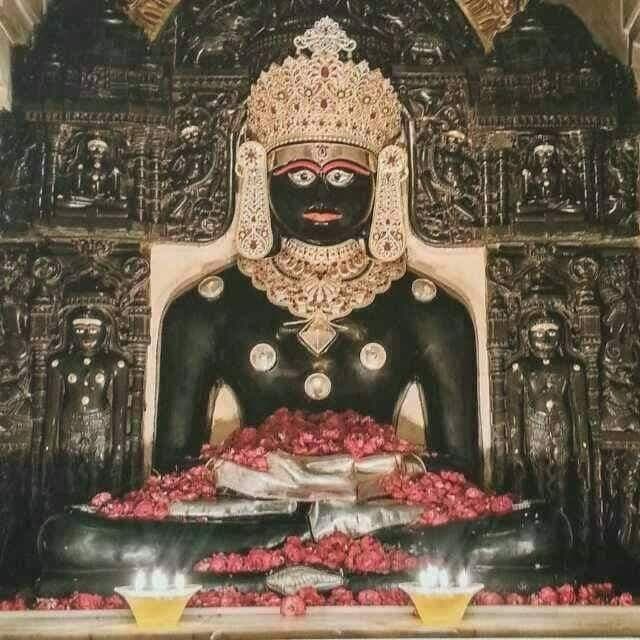
Neminath Jain Temple, Girnar
The Neminath Jain Temple, originally known as Karnavihara, is a significant Jain temple dedicated to the 24th Tirthankara, Neminatha, situated on Girnar hill in Gujarat, India. It is recognized as the foremost among the Girnar Jain temples, with its oldest existing structure dating back to the 12th century and built in the Māru-Gurjara architectural style.

Yogmaya Temple
The Yogmaya Temple, also known as Jogmaya Temple, is a Hindu temple in Mehrauli, New Delhi, dedicated to the goddess Yogmaya, an aspect of Maya and the sister of Krishna. It is considered one of the few surviving temples from the pre-Sultanate period in India and has undergone numerous reconstructions.
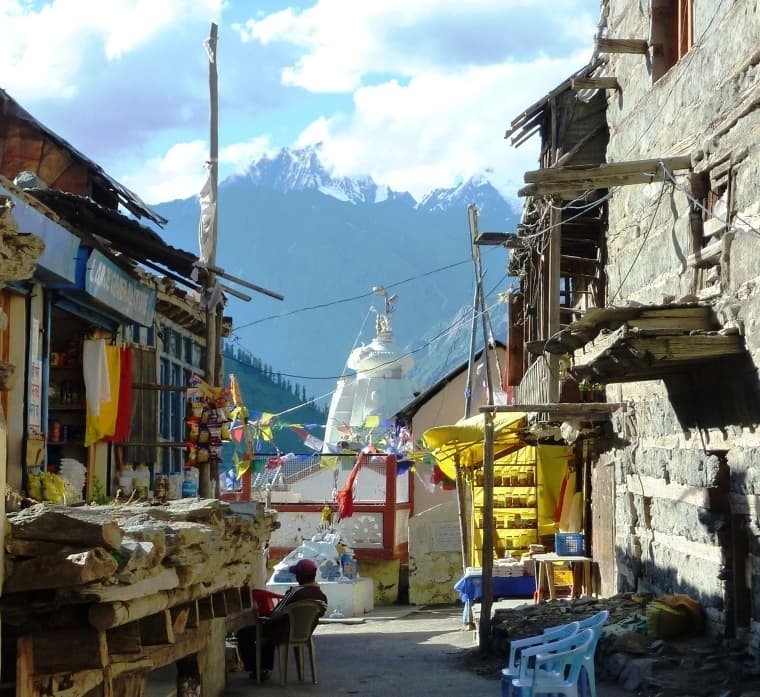
Triloknath Temple
The Triloknath Temple, located in Himachal Pradesh, India, is a significant religious site revered by both Tibetan Buddhists and Hindus. Originally believed to be a Buddhist vihara, it now houses a marble statue of Avalokiteshvara, worshipped as Shiva by Hindus and as Avalokiteshvara by Buddhists. The temple's architecture and history suggest a blend of influences, with its columns dating to the 9th century CE.