
Gondeshwar Temple, Sinnar
Bhumija·12th century·India
The Gondeshwar Temple, located in Sinnar, Maharashtra, is an 11th-12th century Hindu temple constructed during the Seuna (Yadava) dynasty. It is notable for its panchayatana plan, featuring a main shrine dedicated to Shiva and four subsidiary shrines for Surya, Vishnu, Parvati, and Ganesha, built in the Bhumija architectural style.
Key Facts
- ›The temple is dedicated to Shiva, with subsidiary shrines for Surya, Vishnu, Parvati, and Ganesha.
- ›It was built during the rule of the Seuna (Yadava) dynasty, likely in the 11th or 12th century.
- ›The temple features a panchayatana plan, comprising a central shrine and four surrounding smaller shrines.
- ›It is constructed in the Bhumija architectural style.
- ›The temple complex originally included a wall, which is now largely in ruins.
- ›Exterior sculptures are noted for being of inferior quality compared to the Ambarnath Shiva Temple.

Shiva, Surya, Vishnu, Parvati, Ganesha
- Architectural Example of the Bhumija Style and Panchayatana Plan
- Historical Site Associated With the Seuna Dynasty
Seuna Dynasty
Rav Singhuni, Rav Govinda
Scenes From the Ramayana
About Gondeshwar Temple, Sinnar
The Gondeshwar Temple is a significant Hindu temple located in Sinnar, a town within the Nashik district of Maharashtra, India. Dating to the 11th-12th century, it was constructed during the reign of the Seuna (Yadava) dynasty, a period when Sinnar served as a stronghold for the dynasty. Modern historians suggest the town itself may be the Seunapura established by Yadava king Seuna-chandra. Local lore attributes the establishment of Sinnar to chief Rav Singhuni and the commission of the Gondeshwar Temple to his son, Rav Govinda.
Architecture and Layout
The temple is a notable example of the Bhumija architectural style and is laid out in a panchayatana plan. This comprises a principal shrine dedicated to Lord Shiva, which is accompanied by four subsidiary shrines. These smaller shrines are consecrated to the deities Surya, Vishnu, Parvati, and Ganesha, each featuring its own porch. The entire temple complex is situated on a substantial rectangular platform measuring 125 by 95 feet. The main shrine houses a large linga and, along with the facing Nandi pavilion, is elevated on a plinth. The temple's mandapa, or pavilion, provides access and includes porches on three sides.
Historical Context and Comparisons
The shikhara (tower) of the main shrine is in the Nagara style, though its finial is no longer preserved. The exterior walls of the temple are adorned with sculptures depicting scenes from the epic Ramayana. While the overall plan bears resemblance to the Ambarnath Shiva Temple, the quality of sculptures on the Gondeshwar Temple's exterior is considered to be of an inferior standard. The temple complex was once encircled by a wall, much of which has since been destroyed. The Udayesvara Temple in Udaipur, Madhya Pradesh, also shares a similar design.
Source: Wikipedia ↗
Frequently Asked Questions
When was the Gondeshwar Temple built?
The Gondeshwar Temple was built during the rule of the Seuna (Yadava) dynasty and is variously dated to either the 11th or the 12th century. Local tradition suggests it was commissioned by Rav Govinda, son of chief Rav Singhuni.
What deities are worshipped at the Gondeshwar Temple?
The main shrine is dedicated to Shiva, and it is accompanied by four subsidiary shrines. These smaller shrines are dedicated to the deities Surya, Vishnu, Parvati, and Ganesha.
What is the architectural style of the Gondeshwar Temple?
The Gondeshwar Temple is built in the Bhumija style. It is designed as a panchayatana complex, which includes a main shrine surrounded by four subsidiary shrines.
What is the plan of the Gondeshwar Temple complex?
The temple features a panchayatana plan, meaning it has a central main shrine and four smaller shrines arranged around it. This layout is situated on a rectangular platform measuring 125 by 95 feet.
What is the historical significance of Sinnar in relation to this temple?
Sinnar was a stronghold of the Seuna (Yadava) dynasty during their pre-imperial period. Modern historians identify the town with Seunapura, which was established by the Yadava king Seuna-chandra.
Related Temples (Hindu)
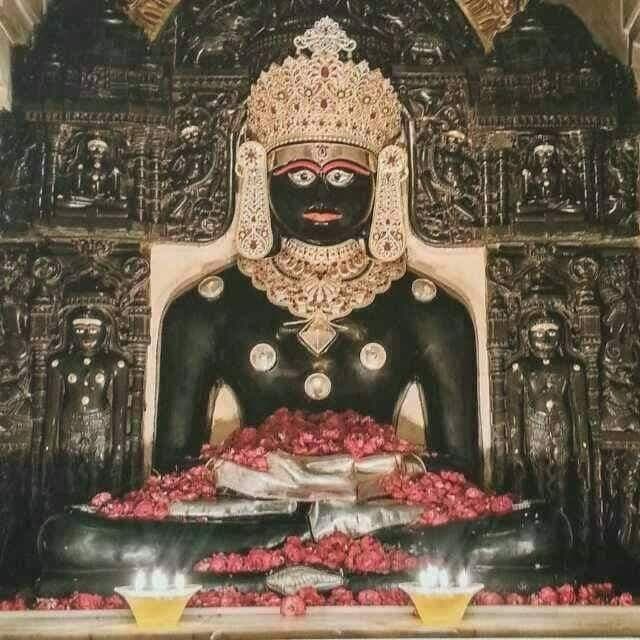
Neminath Jain Temple, Girnar
The Neminath Jain Temple, originally known as Karnavihara, is a significant Jain temple dedicated to the 24th Tirthankara, Neminatha, situated on Girnar hill in Gujarat, India. It is recognized as the foremost among the Girnar Jain temples, with its oldest existing structure dating back to the 12th century and built in the Māru-Gurjara architectural style.

Yogmaya Temple
The Yogmaya Temple, also known as Jogmaya Temple, is a Hindu temple in Mehrauli, New Delhi, dedicated to the goddess Yogmaya, an aspect of Maya and the sister of Krishna. It is considered one of the few surviving temples from the pre-Sultanate period in India and has undergone numerous reconstructions.
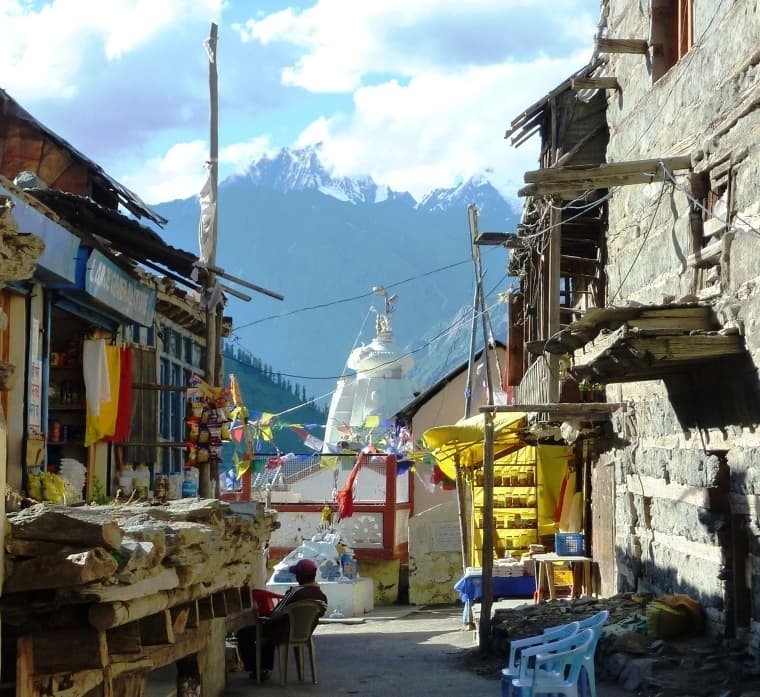
Triloknath Temple
The Triloknath Temple, located in Himachal Pradesh, India, is a significant religious site revered by both Tibetan Buddhists and Hindus. Originally believed to be a Buddhist vihara, it now houses a marble statue of Avalokiteshvara, worshipped as Shiva by Hindus and as Avalokiteshvara by Buddhists. The temple's architecture and history suggest a blend of influences, with its columns dating to the 9th century CE.