
Gomathi Amman
The Gomathi Amman temple, located in Sankarankovil, Tamil Nadu, is a significant Hindu shrine dedicated to Gomathi Amman, a manifestation of Adhi Shakthi. The temple is renowned for its association with the deities Shiva and Vishnu, particularly in their unified form as Sankaranarayanaswamy, and is a place of worship for devotees seeking relief from fears and diseases.
Key Facts
- ›The temple is approximately 900 years old.
- ›It was built by King Ukkira Pandian of the Pandiya dynasty.
- ›The temple is popularly known as Sankaranayinarkoil.
- ›Gomathi Amman is considered a yogini performing penance to merge with Lord Shiva.
- ›The temple is believed to be free from venomous creatures.
- ›Worshipping here is thought to cure mental disorders and other ailments.
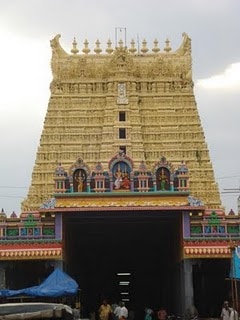
Gomathi Amman, Sankaranarayanaswamy
- Religious Pilgrimage Site
- Associated With Healing and Protection From Venomous Creatures
- Represents the Unification of Shiva and Vishnu
Pandiya Dynasty
Adi Thapasu
Ukkira Pandian
About Gomathi Amman
Gomathi Amman Temple
The Gomathi Amman Temple, situated in Sankarankovil within the Tenkasi district of Tamil Nadu, India, is a prominent Hindu shrine dedicated to Gomathi Amman, a form of Adhi Shakthi. The temple is widely recognized as Sankaranayinarkoil and holds significant religious importance for its association with the deities Shiva and Vishnu, particularly in their unified aspect as Sankaranarayanaswamy.
Historical Context and Construction
The temple is approximately 900 years old and its construction is attributed to King Ukkira Pandian, a ruler from the historical Pandiya dynasty. This royal patronage underscores the temple's historical significance and its establishment during a period of dynastic rule in the region.
Mythology and Divine Manifestations
According to local lore, Gomathi Amman is revered as a yogini who performed intense penance on a needle's tip to please Lord Shiva and merge with him. The temple's narrative also involves two snake kings, 'Sangan' and 'Padman', who worshipped Lord Shiva and Lord Narayana, respectively, and sought Gomathi Amman's judgment on their quarrel. This story culminates in Lord Shiva appearing as Sankaranarayanaswamy, demonstrating the equality of Shiva and Vishnu and guiding the snake kings and devotees towards spiritual realization.
Religious Practices and Beliefs
A key belief associated with the temple is that it is a place free from venomous creatures due to the presence of Gomathi Amman and the historical association with the snake kings. Devotees often pray to her to eliminate the fear of venom and to overcome various ailments. The temple features a Sri Chakra peetam, a circular hole with a Sri Chakra design, in front of the sanctum. It is believed that individuals afflicted with mental disorders who worship the deity while seated on this peetam for a stipulated period can be cured.
Festivals and Offerings
The Adi Thapasu festival is a major annual event celebrated with great fervor in the Tamil month of Adi. This festival commemorates the penance undertaken by Sri Gomathi Ambal and the divine darshan of Lord Shiva as Sankaranarayanaswamy. Offerings made at the temple include Maavilakku (a rice-based preparation) and miniatures of snakes, scorpions, and other reptiles, which devotees offer to seek protection from curses and fears.
The Snake Pit Legend
An integral part of the temple's lore involves a 'snake pit'. Legend tells of a farmer discovering blood flowing from an anthill after striking it. Upon investigation, a Shiva lingam was found within the anthill, guarded by two snakes, believed to be Sangan and Padman. This lingam was brought to the current temple site. Mud is collected annually from the original snake pit location and placed within the temple, with the belief that applying this holy sand can heal various diseases.
Source: Wikipedia ↗
Frequently Asked Questions
Who is Gomathi Amman?
Gomathi Amman is a manifestation of Adhi Shakthi in Hinduism, revered in this temple. She is depicted as a yogini performing penance and is considered the consort of Vanmikanathar and seen alongside Sankaranarayanaswamy.
What is the significance of the Sankaranarayanaswamy form?
Sankaranarayanaswamy represents the unification of Lord Shiva and Lord Vishnu, symbolizing their equality. This form is believed to have been revealed by Shiva to Gomathi Amman and the snake kings Sangan and Padman to demonstrate universality.
What is the Adi Thapasu festival?
Adi Thapasu is a major annual festival celebrated in the Tamil month of Adi. It commemorates the penance of Gomathi Amman and Lord Shiva's darshan to her in the Sankaranarayanaswamy form.
How does the temple address mental disorders and diseases?
There is a belief that worshipping Gomathi Amman while sitting on the Sri Chakra peetam, a circular hole with a Sri Chakra design in front of the sanctum, can cure mental disorders. Patients are sometimes made to sit here for 40 days.
What is the story behind the snake pit?
Legend has it that a lingam was found in an anthill protected by two snakes, Sangan and Padman. The mud from this original snake pit is brought to the temple annually, and applying it is believed to cure various diseases.
What offerings are made at the temple?
Important offerings include Maavilakku (a preparation of rice) and miniatures of snakes, scorpions, and other reptiles, which are offered to get rid of curses and fears related to venomous creatures.
Related Temples (Hindu)
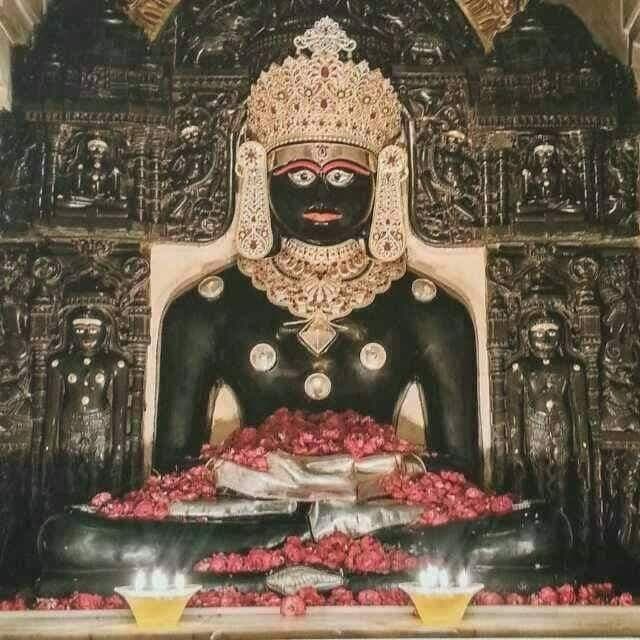
Neminath Jain Temple, Girnar
The Neminath Jain Temple, originally known as Karnavihara, is a significant Jain temple dedicated to the 24th Tirthankara, Neminatha, situated on Girnar hill in Gujarat, India. It is recognized as the foremost among the Girnar Jain temples, with its oldest existing structure dating back to the 12th century and built in the Māru-Gurjara architectural style.

Yogmaya Temple
The Yogmaya Temple, also known as Jogmaya Temple, is a Hindu temple in Mehrauli, New Delhi, dedicated to the goddess Yogmaya, an aspect of Maya and the sister of Krishna. It is considered one of the few surviving temples from the pre-Sultanate period in India and has undergone numerous reconstructions.

Triloknath Temple
The Triloknath Temple, located in Himachal Pradesh, India, is a significant religious site revered by both Tibetan Buddhists and Hindus. Originally believed to be a Buddhist vihara, it now houses a marble statue of Avalokiteshvara, worshipped as Shiva by Hindus and as Avalokiteshvara by Buddhists. The temple's architecture and history suggest a blend of influences, with its columns dating to the 9th century CE.