
Garjiya Devi Temple
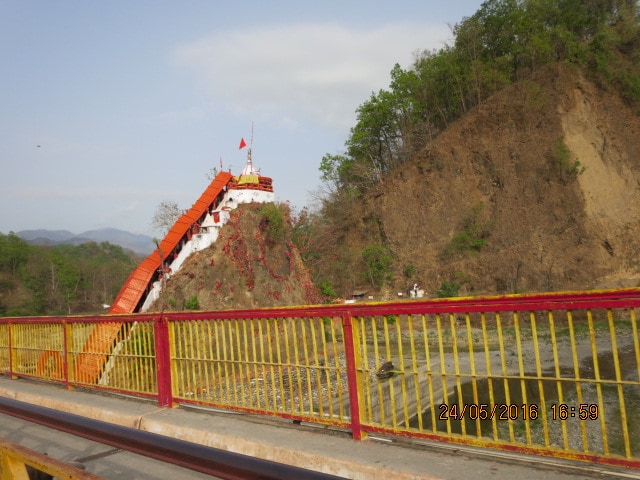
Garjiya Devi Temple is a significant Shakti shrine located in Garjiya village, Uttarakhand, India, dedicated to the goddess Garjiya Devi, believed to be a reincarnation of Parvati. Perched atop a large rock 60 feet above the Kosi river, it is a popular pilgrimage site, especially during the Kartik Purnima festival.
Key Facts
- ›Dedicated to Garjiya Devi, a form of Goddess Parvati.
- ›Located on a large mountain rock, 60 feet above the Kosi river.
- ›A prominent Shakti shrine in the Nainital district.
- ›Thousands of devotees visit during the Kartik Purnima festival.
- ›Features a 9th-century black granite statue of Lakshminarayan.
- ›Situated near Corbett National Park.
Garjiya Devi, Parvati
Sacred Shakti Shrine, Major Pilgrimage Site During Kartik Purnima, Picturesque Location Beside the Kosi River
Kartik Purnima
Black Granite
Pt. Keshav Dutt Pandey
Statue of Lakshminarayan
Kosi River
About Garjiya Devi Temple
The Garjiya Devi Temple is a revered Hindu shrine dedicated to Goddess Garjiya Devi, believed to be an incarnation of Goddess Parvati. Located in Garjiya village, Uttarakhand, India, the temple is situated on a large mountain rock that rises 60 feet above the Kosi river, near the city of Ramnagar and on the outskirts of Corbett National Park.
Spiritual Significance
As a prominent Shakti shrine, Garjiya Devi Temple attracts thousands of devotees, particularly during the auspicious festival of Kartik Purnima. This Hindu holy day, which falls on a full moon day in November or December, sees the temple adorned with colorful bulbs and diyas, creating a vibrant atmosphere enhanced by various rituals and celebrations. The temple is a daily worship site for many people from nearby areas.
Architectural and Natural Setting
The temple's unique location atop a large rock in the Kosi river, surrounded by lush greenery and distant hills, adds to its appeal. Within the complex, a 9th-century statue of LakshmiNarayan, crafted from black granite, is a notable artifact. The first priest credited with beginning the worship of Devi Girija was Pt. Keshav Dutt Pandey.
Visiting Information
The optimal time to visit Garjiya Devi Temple is between October and May, a period that also allows for safaris in the adjacent Corbett National Park. Many visitors also engage in bathing in the Kosi river near the temple premises.
Source: Wikipedia ↗
Frequently Asked Questions
Where is Garjiya Devi Temple located?
Garjiya Devi Temple is situated in Garjiya village, approximately 14 km north of Ramnagar city in Uttarakhand, India. It is located on the outskirts of Corbett National Park, perched on a large mountain rock above the Kosi river.
Who is the presiding deity at Garjiya Devi Temple?
The presiding deity at Garjiya Devi Temple is Garjiya Devi, who is worshipped as a sacred Shakti shrine. She is believed to be a reincarnation of Goddess Parvati.
When is the best time to visit Garjiya Devi Temple?
The best time to visit Garjiya Devi Temple is between October and May. This period also aligns with the opportunity to visit Corbett National Park, and major festivals celebrated at the temple occur during the winter season.
What is the significance of Kartik Purnima at Garjiya Devi Temple?
Garjiya Devi Temple is particularly significant during Kartik Purnima, a Hindu holy day falling in November or December. Thousands of devotees visit during this time, and the temple is adorned with colorful lights and diyas, enhancing its vibrancy with various rituals and celebrations.
What other notable artifacts are found at the temple?
Besides the main deity, the temple complex houses a 9th-century statue of LakshmiNarayan, which is made from black granite. The first priest, Pt. Keshav Dutt Pandey, initiated the worship of Devi Girija.
Related Temples (Hindu)

Tanot Mata Temple
The Tanot Mata Temple is a significant Hindu shrine located in the Jaisalmer district of Rajasthan, India, near the Pakistan border. Revered as a form of Goddess Hinglaj Mata, the temple is famously associated with the Indian victories in the Indo-Pakistani Wars of 1965 and 1971, with local folklore attributing the successful outcomes to divine intervention. The Border Security Force of India now manages the temple complex, which also includes a victory tower and a war museum.

Kumararama
The Kumararama Temple, also known as Bhimarama or Chalukya Kumararama Bhimeswara Temple, is a significant Hindu temple dedicated to Lord Shiva, located in Samalkota, Andhra Pradesh. It is one of the five Pancharama Kshetras and is renowned for its unique limestone Shiva Lingam, which is 16 feet tall and pierces through the roof to the second floor.
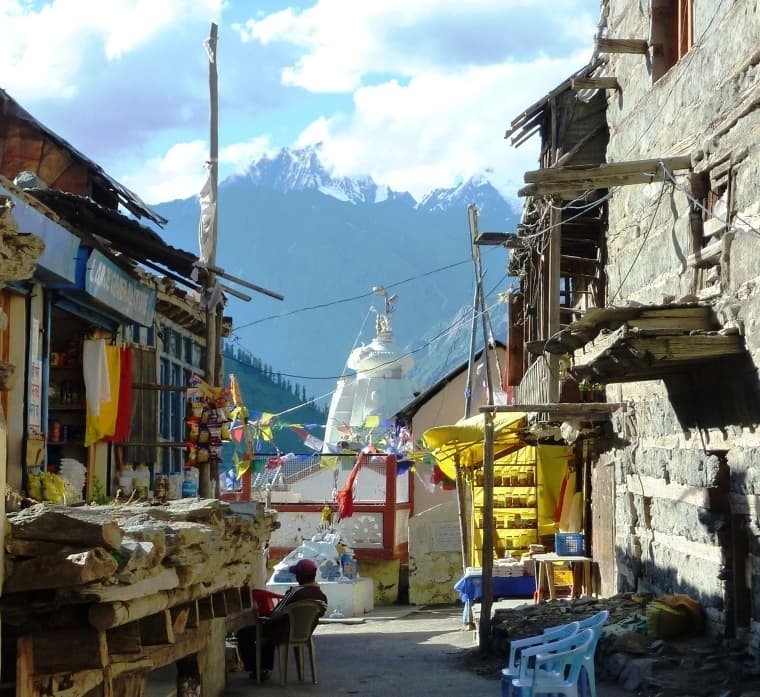
Triloknath Temple
The Triloknath Temple, located in Himachal Pradesh, India, is a significant religious site revered by both Tibetan Buddhists and Hindus. Originally believed to be a Buddhist vihara, it now houses a marble statue of Avalokiteshvara, worshipped as Shiva by Hindus and as Avalokiteshvara by Buddhists. The temple's architecture and history suggest a blend of influences, with its columns dating to the 9th century CE.