
Eri-Katha Ramar Temple
The Eri-Katha Ramar Temple in Maduranthakam, Tamil Nadu, is a significant Hindu temple dedicated to Rama, believed to be over 1600 years old. It is renowned as the place where the Vaishnavite saint Ramanuja received his initiation, and is celebrated for the legend of Rama saving the local lake (eri). The temple is considered one of the 108 Abhimana Kshethrams in the Vaishnavate tradition.
Key Facts
- ›The temple is dedicated to Rama, and is estimated to be 1600 years old, dating back to the Pallava era.
- ›It is known as the sthalam where the Vaishnavite Saint Ramanuja was initiated with the Pancha Samskara Mantram.
- ›The presiding deity, Rama, is depicted standing with his consort Sita and brother Lakshmana, with the idols made of stucco.
- ›A significant legend associated with the temple is how Rama, as 'Erikatha Ramar' (Rama who saved the tank), protected the Madhuranthakam lake from breaching.
- ›The temple has inscriptions indicating gifts from the Chola King Parantaka I and was once known as Maduranthaga Chaturvedi Mangalam.
- ›It is classified as one of the 108 Abhimana Kshethrams of the Vaishnavate tradition.

Rama, Sita, Lakshmana
- Religious Pilgrimage Site For Vaishnavites
- Historical Importance Due To Ancient Origins and Chola Inscriptions
- Site of Ramanuja's Initiation
- Legendary Protection of the Madhuranthakam Lake
Pallava Dynasty, Chola Dynasty
Rama Navami, Ani Brahmostavam, Panchasamskaram Festival
Granite, Stucco
Pallava Rulers, Parantaka I, Gandaraditya, Madurantaga Uttama Chola, Colonel Lionel Blaze
Stucco Images of Rama, Sita, and Lakshmana
Madhuranthakam Lake
About Eri-Katha Ramar Temple
The Eri-Katha Ramar Temple, located in Maduranthakam, Tamil Nadu, India, is an ancient Hindu temple dedicated to Lord Rama. Estimated to be around 1600 years old and built during the Pallava era, it holds significant religious and historical importance within the Vaishnavate tradition, being classified as one of the 108 Abhimana Kshethrams.
History and Legends
The temple's history is interwoven with the Pallava and Chola dynasties. Inscriptions indicate generous endowments from the Chola king Parantaka I, and the town itself was once known as Maduranthaga Chaturvedi Mangalam during the reign of Chola ruler Madurantaga Uttama Chola. A pivotal legend associated with the temple is the story of 'Erikatha Ramar', meaning 'Rama who saved the tank'. During a period of torrential rains, the presiding deity, Rama, along with his brother Lakshmana, is believed to have appeared to protect the massive Madhuranthakam lake from breaching, thus earning the temple its unique name.
Religious Significance
The temple is particularly revered as the place where the prominent Vaishnavite saint Ramanuja received his initiation, known as Pancha Samskaram, from his guru Peria Nambigal. This event is celebrated annually, and the temple is also referred to as 'Dvayam Vilindha Tirupathi'. The presiding deities, Rama, Sita (Janakavalli Thayar), and Lakshmana, are depicted in stucco, a style common in some ancient South Indian temples. The Moolavar deity of Rama stands approximately 8 feet tall, facing east.
Festivals and Patronage
Key festivals celebrated at the temple include Rama Navami, commemorating the birth of Lord Rama, and the Ani Brahmostavam. The Panchasamskaram festival is also a major event, honoring Ramanuja's initiation. The temple's history also includes patronage from rulers like Gandaraditya and Madurantaga Uttama Chola, and notably, a British collector, Colonel Lionel Blaze, who, after witnessing the miraculous protection of the lake, contributed to the construction of a shrine for Janakavalli Thayar.
Source: Wikipedia ↗
Frequently Asked Questions
What is the significance of the Eri-Katha Ramar Temple?
The Eri-Katha Ramar Temple is significant as one of the 108 Abhimana Kshethrams of the Vaishnavate tradition. It is also the place where the renowned saint Ramanuja received his initiation, and it commemorates the legend of Lord Rama saving the local lake, earning it the name 'Erikatha Ramar'.
What is the age and origin of the Eri-Katha Ramar Temple?
The temple is estimated to be 1600 years old and was built during the Pallava era. It is considered one of the oldest temples dedicated to Rama in South India.
What is the legend behind the name 'Erikatha Ramar'?
The name 'Erikatha Ramar' means 'Rama who saved the tank'. According to legend, during a period of heavy rains, Lord Rama and Lakshmana appeared to a British collector to protect the Madhuranthakam lake from breaching, leading to the construction of a shrine for Sita.
What is the connection between this temple and the saint Ramanuja?
The Eri-Katha Ramar Temple is a pivotal site in the life of Ramanuja. It is believed that he received his initiation, the Pancha Samskara Mantram, from his teacher Peria Nambigal under a Magizha tree within the temple precincts.
What are the main deities worshipped at the Eri-Katha Ramar Temple?
The presiding deity is Rama, accompanied by his consort Sita (worshipped as Janakavalli Thayar) and his brother Lakshmana. The temple also houses an image of Karunakaramurthi.
What are the major festivals celebrated at the temple?
The major festivals include Rama Navami, which celebrates the birth of Rama, Ani Brahmostavam celebrated in July-August, and the Panchasamskaram festival commemorating Ramanuja's initiation.
Related Temples (Hindu)
Pashupatinath Temple, Mandsaur
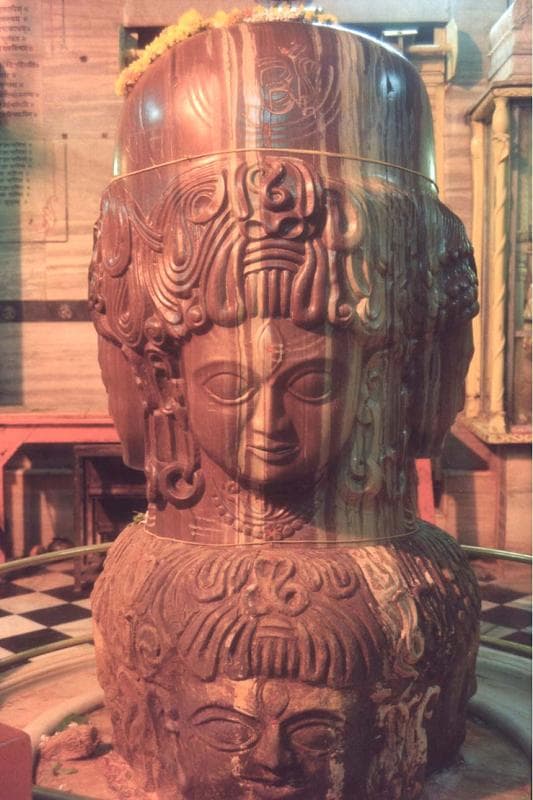
The Pashupatinath Temple in Mandsaur, Madhya Pradesh, India, is a significant Hindu temple dedicated to Lord Shiva, belonging to the Pashupatinath tradition within Shaivism. It is renowned for its rare eight-faced Shiva Linga, with the temple's sculpture dated to the 5th or 6th century CE, reflecting the artistic and cultural vibrancy of the Gupta Empire era.

Sharda Devi Temple Maihar satna
The Sharda Devi Temple in Maihar, Madhya Pradesh, is a significant Shakti Peeth dedicated to the goddess Sharda. According to legend, it is the site where the necklace of the goddess Sati fell. The temple is situated atop the Trikut hill and is a major pilgrimage destination, particularly during the Navratri festivals.

Harishchandragad
Harishchandragad is an ancient hill fort located in the Ahilyanagar district of India, with a history stretching back to the 6th century. It served as a strategic defensive point and cultural hub, featuring ancient caves, temples, and significant geological formations. The fort is renowned for its historical importance, architectural remnants, and natural beauty.