
Ekambaranathar Temple
The Ekambaranathar Temple, also known as Kanchi Ekambaranathar Thirukkovil, is a significant Hindu temple in Kanchipuram, Tamil Nadu, India, dedicated to Lord Shiva. It is one of the Pancha Bhoota Stalas, representing the element of earth (Prithvi), and is revered in ancient Tamil Saiva literature. The temple complex is vast, featuring impressive gopurams, numerous shrines including one for Vishnu, and a celebrated thousand-pillared hall.
Key Facts
- ›Dedicated to Lord Shiva, represented as the Prithvi Lingam.
- ›Considered one of the Pancha Bhoota Stalas, symbolizing the element of earth.
- ›Mentioned in the 7th-century Tamil Saiva canonical work, Tevaram.
- ›Covers 10 hectares (25 acres), making it one of the largest temples in India.
- ›Features a 58.5-meter tall, 11-story southern gopuram, one of the tallest in India.
- ›The temple complex includes a thousand-pillared hall built during the Vijayanagar period.

Shiva
Pancha Bhoota Stala, Paadal Petra Sthalam, Major Tourist Attraction In Kanchipuram
Chola Dynasty, Vijayanagar Dynasty, Pallava Dynasty
Panguni Uthiram, Panguni Brahmotsavam, Kalyanotsavam
Masonry, Granite, Sand
Chola Kings, Vijayanagar Rulers, Krishnadevaraya, Achutaraya, Vira Narasingaraya Saluva Nayaka, Adi Sankara, Vallal Pachiyappa Mudaliar, Nattukottai Chettiars
- Pillars Sculpted With Intricate Figures Indicating Various Legends and Avatars of Shiva
- Depiction of Shiva and Parvati In A Plaque
- Granite Image of the 63 Nayanmars
- Sahasra Lingam With 1,008 Siva Lingams Sculpted On It
Vegavati River, Temple Tank
About Ekambaranathar Temple
The Ekambaranathar Temple, also known as Kanchi Ekambaranathar Thirukkovil, is a prominent Hindu temple located in the town of Kanchipuram in Tamil Nadu, India. Dedicated to Lord Shiva, it holds significant spiritual importance as one of the Pancha Bhoota Stalas, representing the element of earth (Prithvi). The presiding deity, Shiva, is worshipped here as Ekambareswarar, Ekambaranathar, or Rajalingeswaram, manifested as a lingam made of sand. His consort, Parvati, is depicted as Elavarkuzhali.
Religious and Literary Significance
The temple is revered in the 7th-century Tamil Saiva canonical work, the Tevaram, by the Nayanar saint poets and is classified as a Paadal Petra Sthalam, one of the 276 temples mentioned in the Saiva canon. All four major Saiva Kuravars (Nayanar saints) have venerated Ekambareswarar in their writings.
History and Architecture
With origins dating back to at least 600 CE and mentions in classical Tamil Sangam literature from 300 BCE, the temple has a long and rich history. The initial temple was built by the Pallavas, with the present masonry structure largely constructed during the Chola dynasty in the 9th century. Subsequent expansions and renovations were undertaken by the Vijayanagar rulers, including the construction of the impressive eleven-storied southern gopuram by Krishnadevaraya. The temple complex spans approximately 10 hectares (25 acres), making it one of the largest in India. It features numerous shrines, including a notable shrine for Vishnu known as Nilathingal Thundam Perumal, and the celebrated thousand-pillared hall built during the Vijayanagar period.
Worship and Festivals
Ekambaranathar Temple observes six daily rituals and hosts twelve yearly festivals. The most significant annual event is the Panguni Brahmotsavam, a ten-day celebration concluding with the Kalyanotsavam (marriage festival), which draws large crowds. The temple is maintained by the Hindu Religious and Charitable Endowments Department of the Government of Tamil Nadu and remains an active place of worship and a major tourist attraction in Kanchipuram.
Source: Wikipedia ↗
Frequently Asked Questions
What is the significance of Ekambaranathar Temple in Hinduism?
The temple is highly significant as it represents the element of earth (Prithvi) among the five Pancha Bhoota Stalas, which are temples dedicated to Shiva, each symbolizing a primal element. It is also classified as a 'Paadal Petra Sthalam,' meaning it is revered in the ancient Tamil Saiva canonical work, Tevaram.
What is the legend behind the Ekambaranathar Temple?
According to legend, Goddess Parvati performed penance under a mango tree near the Vegavati river to worship Shiva. She is said to have formed a Shiva Linga out of sand and embraced it when a river threatened to inundate it. Moved by her devotion, Shiva appeared before her as Ekambareswarar, the 'Lord of the Mango Tree'.
Who were the main patrons or builders of the Ekambaranathar Temple?
The temple's present masonry structure was initiated by the Chola dynasty in the 9th century. Later expansions and significant contributions were made by the Vijayanagar rulers, including Krishnadevaraya who built the southern gopuram. The Pallavas also initially built the temple, and Adi Sankara is credited with its remodelling and expansion.
What are the architectural highlights of the Ekambaranathar Temple?
The temple boasts impressive architecture, including four towering gateway towers (gopurams), with the southern one being exceptionally tall at 58.5 meters. Inside, notable features include the thousand-pillared hall built by the Vijayanagar Kings, numerous shrines, and intricate sculptures depicting various legends.
What is the most important festival celebrated at Ekambaranathar Temple?
The most prominent festival is the Panguni Brahmotsavam, which lasts for ten days during the Tamil month of Panguni (March-April). This festival includes elaborate processions, the enactment of the marriage of Ekambareswarar, and is a major event attracting thousands of devotees.
Is there a separate shrine for Goddess Parvati within the Ekambaranathar Temple?
Unlike most Shiva temples, there is no separate shrine for Goddess Parvati within the Ekambaranathar Temple complex. A local belief suggests that the deity at the nearby Kamakshi Amman Temple serves as Parvati's consort for Ekambaranathar.
Related Temples (Hindu)

Tanot Mata Temple
The Tanot Mata Temple is a significant Hindu shrine located in the Jaisalmer district of Rajasthan, India, near the Pakistan border. Revered as a form of Goddess Hinglaj Mata, the temple is famously associated with the Indian victories in the Indo-Pakistani Wars of 1965 and 1971, with local folklore attributing the successful outcomes to divine intervention. The Border Security Force of India now manages the temple complex, which also includes a victory tower and a war museum.

Kumararama
The Kumararama Temple, also known as Bhimarama or Chalukya Kumararama Bhimeswara Temple, is a significant Hindu temple dedicated to Lord Shiva, located in Samalkota, Andhra Pradesh. It is one of the five Pancharama Kshetras and is renowned for its unique limestone Shiva Lingam, which is 16 feet tall and pierces through the roof to the second floor.
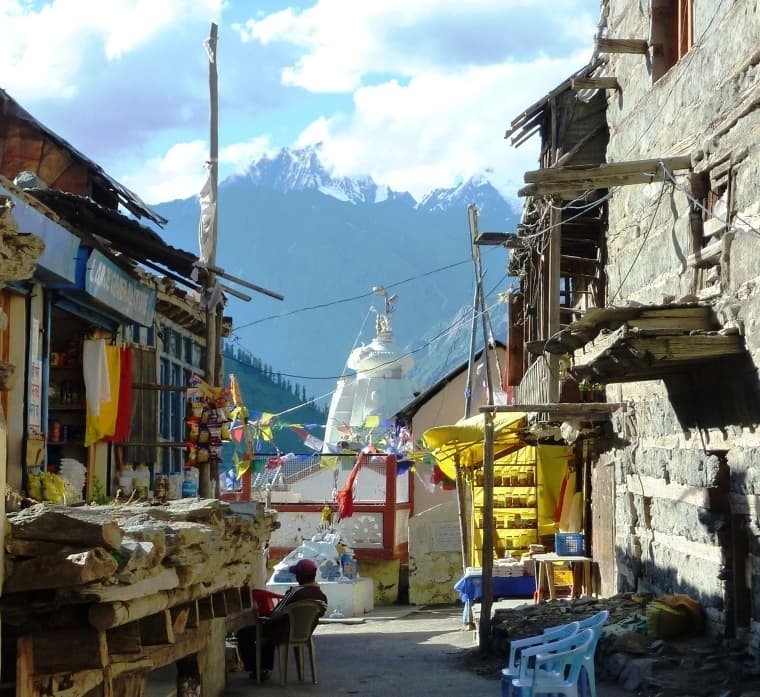
Triloknath Temple
The Triloknath Temple, located in Himachal Pradesh, India, is a significant religious site revered by both Tibetan Buddhists and Hindus. Originally believed to be a Buddhist vihara, it now houses a marble statue of Avalokiteshvara, worshipped as Shiva by Hindus and as Avalokiteshvara by Buddhists. The temple's architecture and history suggest a blend of influences, with its columns dating to the 9th century CE.