
Doddabasappa Temple
Western Chalukyan·12th century·India
The Doddabasappa Temple is a 12th-century Hindu temple located in Dambal, Karnataka, India. It is renowned for its unique 24-pointed stellate plan, an architectural innovation of the Western Chalukyan period that deviates significantly from conventional Dravidian temple designs.
Key Facts
- ›The temple is a 12th-century example of Western Chalukyan architecture.
- ›It features a highly original 24-pointed uninterrupted stellate (star-shaped) plan.
- ›Soapstone is the primary building material used for its construction.
- ›The sanctum is dedicated to the deity Shiva, housing a Shiva linga.
- ›The temple's superstructure is also stellate, resembling cogged wheels in its upper tiers.
- ›It is situated in Dambal, Karnataka state, India.

Shiva
- Architectural Innovation
- Example of Western Chalukyan Architectural Tradition
- Represents A Departure From Conventional Dravidian Temple Plans
Western Chalukya
Soapstone
- Images of Brahma, Vishnu, and Shiva Above the Shrine Entrance
- Floral Designs With Tiny Images of Dancers and Musicians
- Images of A Mithuna Couple
- Image of Nandi
About Doddabasappa Temple
The Doddabasappa Temple, situated in Dambal, Karnataka, India, is a significant 12th-century Hindu temple recognized for its unique architectural design and its place within the Western Chalukyan tradition. The temple is dedicated to God Shiva, with the sanctum housing a Shiva linga.
Architectural Innovation
The most remarkable aspect of the Doddabasappa Temple is its highly original 24-pointed uninterrupted stellate (star-shaped) plan. This architectural innovation, utilizing soapstone as the primary building material, represents a notable departure from the conventional Dravidian temple plans of South India. While contemporary stellate plans in central India were typically 32-pointed and interrupted, the Doddabasappa Temple's design is considered unique in Karnataka and Maharashtra for its specific stellate configuration.
The stellate projections extend to the superstructure, giving the temple an unusual appearance. The upper tiers of its seven-tiered superstructure are described as resembling cogged wheels with 48 dents. The temple's interior plan includes a sanctum, a vestibule (antarala), and a main mantapa (hall).
Decorative Features
While the pillars within the temple are finely chiseled, they are noted for their complexity rather than the elegance found in some other contemporary temples. The entrance to the shrine features a decorative architrave that would have once held images of Brahma, Vishnu, and Shiva. The sanctum entrance is richly adorned with floral motifs and small figures of dancers, musicians, and a couple, known as a mithuna. The main mantapa contains images of a five-headed Brahma with his vahana, the goose, and two images of Surya, the Sun God. The temple has two doorways, each with a porch, one facing south and the other east. The east-facing entrance leads to an open hall with a large recumbent Nandi image facing the shrine.
Source: Wikipedia ↗
Frequently Asked Questions
When was the Doddabasappa Temple built?
The Doddabasappa Temple is a 12th-century structure, reflecting the architectural innovations of the Western Chalukyan period.
What is unique about the Doddabasappa Temple's architectural plan?
Its most distinctive feature is a 24-pointed uninterrupted stellate, or star-shaped, plan. This plan is considered an original innovation and is unlike contemporary stellate plans found elsewhere.
What deity is worshipped at the Doddabasappa Temple?
The presiding deity worshipped at the Doddabasappa Temple is God Shiva. The sanctum houses a Shiva linga, which is the symbol of Lord Shiva.
What materials were used to construct the Doddabasappa Temple?
The basic building material used for the Doddabasappa Temple is soapstone. This material was employed throughout its construction.
Where is the Doddabasappa Temple located?
The Doddabasappa Temple is located in Dambal, a village in the Karnataka state of India. Dambal is situated southeast of Gadag city.
What are some notable decorative elements within the temple?
The entrance to the sanctum is elaborately decorated with floral designs and tiny images of dancers and musicians. The pillars are finely chiseled, though they are noted for their complexity rather than elegance compared to some other temples.
Related Temples (Hindu)
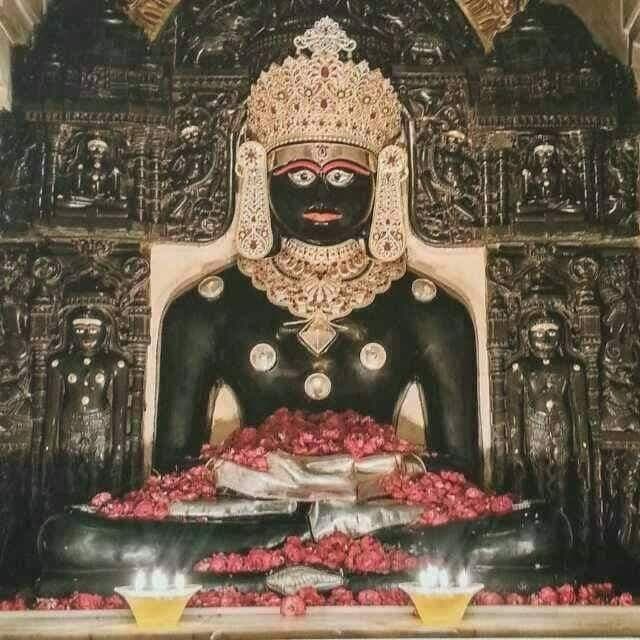
Neminath Jain Temple, Girnar
The Neminath Jain Temple, originally known as Karnavihara, is a significant Jain temple dedicated to the 24th Tirthankara, Neminatha, situated on Girnar hill in Gujarat, India. It is recognized as the foremost among the Girnar Jain temples, with its oldest existing structure dating back to the 12th century and built in the Māru-Gurjara architectural style.

Yogmaya Temple
The Yogmaya Temple, also known as Jogmaya Temple, is a Hindu temple in Mehrauli, New Delhi, dedicated to the goddess Yogmaya, an aspect of Maya and the sister of Krishna. It is considered one of the few surviving temples from the pre-Sultanate period in India and has undergone numerous reconstructions.
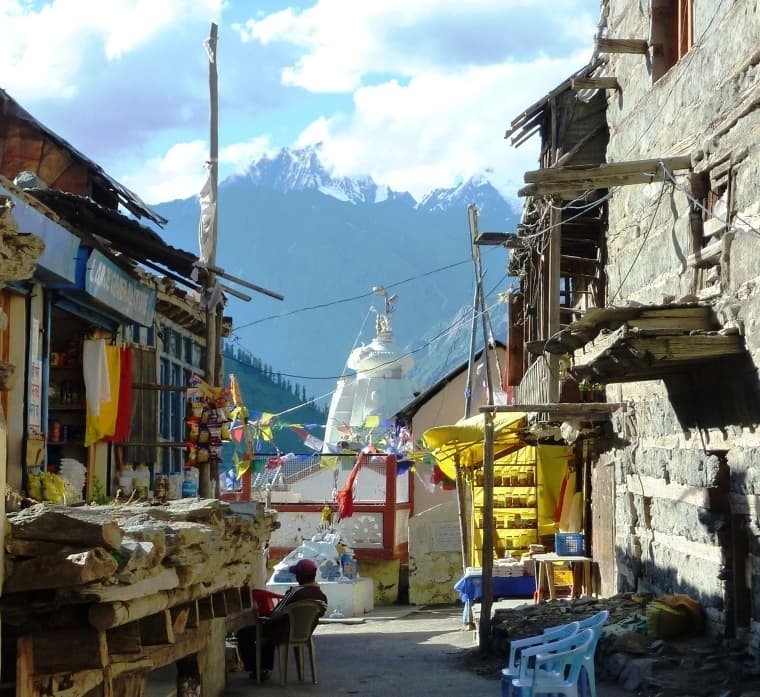
Triloknath Temple
The Triloknath Temple, located in Himachal Pradesh, India, is a significant religious site revered by both Tibetan Buddhists and Hindus. Originally believed to be a Buddhist vihara, it now houses a marble statue of Avalokiteshvara, worshipped as Shiva by Hindus and as Avalokiteshvara by Buddhists. The temple's architecture and history suggest a blend of influences, with its columns dating to the 9th century CE.