
Dichpally Ramalayam
Dichpally Ramalayam is a 14th-century Lord Rama temple in Nizamabad, Telangana, noted for its architectural similarities to the Khajuraho temples. Built by Kakatiya kings, it is constructed from black and white basalt stone and features intricate carvings of goddesses, animals, devils, and erotic structures, earning it the moniker "Indhoor Khajuraho" or "Khajuraho of Nizamabad". The temple complex includes a masonry wall with bastions and a northern gateway, and visitors ascend 105 steps to reach the deity, with a subway available for convenience.
Key Facts
- ›Constructed in the 14th century by Kakatiya kings.
- ›Features architecture and erotic structures reminiscent of Khajuraho.
- ›Built using black and white basalt stone.
- ›Adorned with intricate carvings of deities, animals, and devils.
- ›Includes a masonry wall with four bastions and a north-facing gateway.
- ›Requires visitors to climb 105 steps to reach the main deity.

Rama
Architectural Resemblance To Khajuraho, Kakatiya Craftsmanship
Kakatiya
Sri Rama Navami
Black Basalt Stone, White Basalt Stone
Kakatiya Kings
Goddesses, Animals, Devils, Erotic Structures
About Dichpally Ramalayam
Dichpally Ramalayam is a significant Hindu temple dedicated to Lord Rama, located in Dichpally Village within the Nizamabad district of Telangana, India. Constructed in the 14th century by the Kakatiya kings, the temple is celebrated for its distinctive architectural style and intricate craftsmanship, drawing parallels to the renowned Khajuraho temples. This resemblance has earned it the popular epithet "Indhoor Khajuraho" or "Khajuraho of Nizamabad".
Architecture and Design
The temple is built primarily from black and white basalt stone, showcasing exceptional artistry. Its walls, ceilings, pillars, and door frames are adorned with exquisitely detailed carvings depicting goddesses, animals, devils, and erotic structures, reflecting the artistic legacy of the Kakatiya period. The temple complex is fortified by a masonry wall featuring bastions at its four corners and a gateway oriented towards the north.
Visitor Experience
Reaching the sanctum sanctorum involves ascending 105 steps, a traditional element of the pilgrimage route. For the comfort of elderly visitors and those with mobility challenges, a pedestrian subway has been incorporated, which also serves as a connecting passage to the Raghunanda Temple. The temple attracts thousands of devotees annually, particularly during the festival of Sri Rama Navami.
Source: Wikipedia ↗
Frequently Asked Questions
What is Dichpally Ramalayam known for?
Dichpally Ramalayam is renowned for its unique architecture and sculptures, which bear a striking resemblance to the famous Khajuraho temples. It is often referred to as the 'Indhoor Khajuraho' or 'Khajuraho of Nizamabad' due to these stylistic similarities.
Who built the Dichpally Ramalayam temple?
The temple was built in the 14th century by the Kakatiya kings. Their patronage is evident in the fine architecture and craftsmanship found throughout the temple complex.
What materials were used to build Dichpally Ramalayam?
The temple was constructed using black and white basalt stone. This material choice contributes to the temple's distinctive appearance and durability.
What kind of sculptures can be found at Dichpally Ramalayam?
The temple walls, ceilings, pillars, and door frames are covered with extremely beautiful carvings. These sculptures depict goddesses, animals, devils, and erotic structures, showcasing the artistic skill of the Kakatiya era.
What is the significance of the steps at Dichpally Ramalayam?
Visitors must ascend 105 steps to reach the main deity. This ascent is a traditional part of the pilgrimage experience. For those with mobility issues, a pedestrian subway is also available, which connects to the Raghunanda Temple.
Related Temples (Hindu)
Kotappakonda
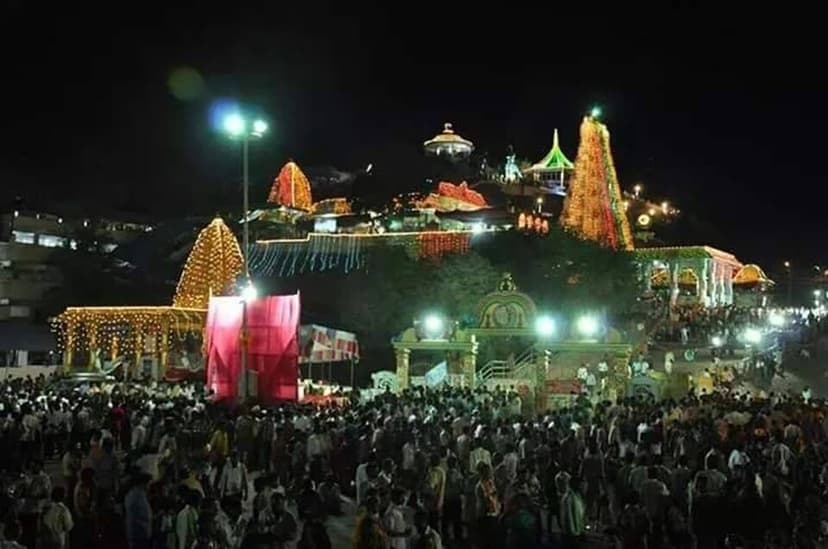
Kotappakonda is a significant Hindu pilgrimage site in Andhra Pradesh, India, centered around the ancient Sri Trikoteswara Swamy Temple, dedicated to Lord Shiva. Renowned for its three distinct peaks, the site is a major Shaivite center, drawing large crowds, especially during the annual Maha Shivaratri festival.

Kapilesvara Siva Temple
The Kapilesvara Siva Temple is a Hindu temple dedicated to Shiva, located in Bhubaneswar, Odisha, India. Situated in a precinct with 33 other monuments, it is considered a sacred site, with local legend identifying it as the birthplace of Lord Shiva. The temple complex, which includes various shrines and mandapas, has a rich architectural history, with some structures dating back to the 10th or 11th century and others renovated or built later.

Hampi
Hampi, also known as the Group of Monuments at Hampi, is a UNESCO World Heritage Site located in Karnataka, India. Once the prosperous capital of the Vijayanagara Empire, Hampi is now a sprawling archaeological site featuring over 1,600 surviving remains of forts, temples, royal complexes, and water structures, spread across 4,100 hectares. It continues to be a significant religious center, particularly with the active Virupaksha Temple.