
Dharmasthala Temple
Dharmasthala Temple, also known as Shri Kṣhētra Dharmasthala, is an 800-year-old Hindu religious institution located in Karnataka, India. It is unique for its syncretic worship, accommodating deities of both Hinduism and Jainism, with administration managed by a Jain family and priests being Hindu Brahmins.
Key Facts
- ›The temple is approximately 800 years old.
- ›It houses deities from both Hinduism (Shiva, Ammanavaru) and Jainism (Chandraprabha, Kalarahu, Kalarkayi, Kumarasvami, Kanyakumari).
- ›The administration is managed by the Jain Pergade family, hereditary trustees.
- ›Priests at the temple are Madhwa Brahmins, who are Vaishnava.
- ›The temple was reconsecrated in the 16th century by the Dvaita Saint Vadiraja Tirtha.
- ›The current Dharma Adhikari (chief administrator) is Veerendra Heggade, from the Pergade family.

Shiva, Ammanavaru, Chandraprabha, Kalarahu, Kalarkayi, Kumarasvami, Kanyakumari
- Religious Pilgrimage Site
- Demonstrates Syncretism Between Hinduism and Jainism
- Historical Administrative Role of the Pergade Family
Birmanna Pergade, Ammu Ballalthi, Vadiraja Tirtha
About Dharmasthala Temple
Dharmasthala Temple, officially known as Shri Kṣhētra Dharmasthala, is a significant Hindu religious institution with an 800-year history, located in the town of Dharmasthala in Dakshina Kannada, Karnataka, India. The temple is notable for its unique blend of religious traditions, venerating deities from both Hinduism and Jainism.
Legend and Origin
The temple's origins trace back approximately eight centuries to a village named Kuduma in Mallarmadi. According to local legend, the guardian angels of Dharma, known as Dharma Daivas, sought out a place to practice and propagate Dharma. They appeared in the dreams of the local chieftain Birmanna Pergade and his wife Ammu Ballalthi, instructing them to dedicate their lives and their home, Nelliadi Beedu, to the worship of these divine beings. Following these instructions, Pergade built another house for his family and began the worship of the Daivas. Subsequently, he was guided to build separate shrines for the four principal Daivas: Kalarahu, Kalarkayi, Kumaraswamy, and Kanyakumari. The legend also states that Brahmin priests requested the installation of a Shivalinga, leading to the procurement of a linga from the Kadri Manjunath Temple and the subsequent construction of the Manjunatha temple around it.
Deities and Administration
The deities worshipped at Dharmasthala Temple include the Hindu god Shiva, referred to as Mañjunatha, and the Hindu goddess Ammanavaru. Additionally, the temple honors the Jain Tirthankara Chandraprabha and the protective gods of Jainism, Kalarahu, Kalarkayi, Kumarasvami, and Kanyakumari, reflecting its syncretic nature. A unique aspect of the temple is its administrative structure: while the priests are Madhwa Brahmins, who follow Vaishnavism, the administration is overseen by the Pergade family, who are of Jain Bunt heritage and are the hereditary trustees. This family's lineage has provided the Dharma Adhikari (chief administrator) for nearly 20 generations, with the current holder being Veerendra Heggade. The role of Dharma Adhikari has historically involved judicial functions, including settling civil and criminal disputes.
Historical Context and Reconsecration
The temple underwent a significant reconsecration in the 16th century. This ritual was performed by Vadiraja Tirtha, a prominent Hindu Dvaita saint, at the behest of Devaraja Heggade, who was the administrator of the temple at that time. The temple complex also hosts various institutions run by the Shri Kshetra Dharmasthala, including educational societies, hospitals, and de-addiction centers, indicating its broader role in community welfare.
Source: Wikipedia ↗
Frequently Asked Questions
What is the origin story of Dharmasthala Temple?
According to legend, eight hundred years ago, the guardian angels of Dharma appeared in the dreams of chieftain Birmanna Pergade and his wife Ammu Ballalthi. They instructed the couple to vacate their home for the worship of the Dharma Daivas and dedicate their lives to propagating Dharma. Pergade then built separate shrines for these deities.
What deities are worshipped at Dharmasthala Temple?
The temple is dedicated to Hindu deities Shiva, referred to as Mañjunatha, and Ammanavaru (mother goddess). It also venerates the Jain Tirthankara Chandraprabha and the protective Jain gods Kalarahu, Kalarkayi, Kumarasvami, and Kanyakumari.
What is the significance of the Pergade family at Dharmasthala Temple?
The Pergade family, a Jain Bunt lineage, are the hereditary trustees and creators of the temple. The eldest male member serves as the Dharma Adhikari (chief administrator), a role that has judicial functions, resolving civil disputes, and has been held by nearly 20 generations.
Why is Dharmasthala Temple considered unique?
Dharmasthala Temple is considered unique because its priests are Madhwa Brahmins (Vaishnava), while the administration is managed by a Jain Bunt family, the Pergades. This demonstrates a rare syncretism between Hindu and Jain traditions.
When was the Dharmasthala Temple reconsecrated?
The temple was reconsecrated in the 16th century. This was performed by the Hindu Dvaita saint Vadiraja Tirtha at the request of the then administrator of the temple, Devaraja Heggade.
Related Temples (Hindu)
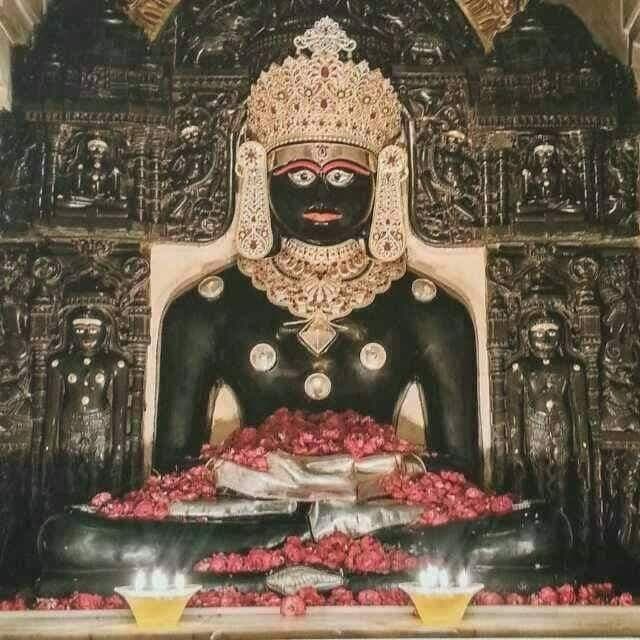
Neminath Jain Temple, Girnar
The Neminath Jain Temple, originally known as Karnavihara, is a significant Jain temple dedicated to the 24th Tirthankara, Neminatha, situated on Girnar hill in Gujarat, India. It is recognized as the foremost among the Girnar Jain temples, with its oldest existing structure dating back to the 12th century and built in the Māru-Gurjara architectural style.

Yogmaya Temple
The Yogmaya Temple, also known as Jogmaya Temple, is a Hindu temple in Mehrauli, New Delhi, dedicated to the goddess Yogmaya, an aspect of Maya and the sister of Krishna. It is considered one of the few surviving temples from the pre-Sultanate period in India and has undergone numerous reconstructions.
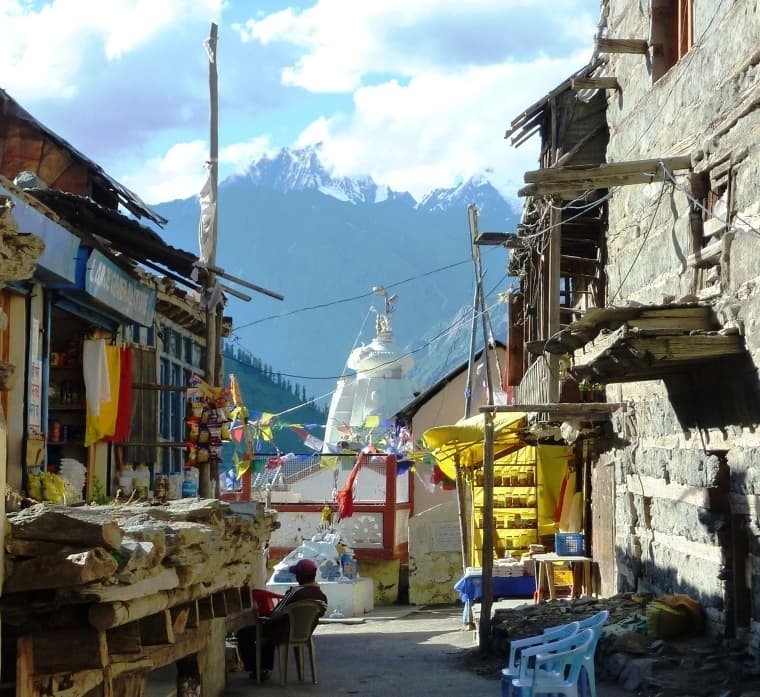
Triloknath Temple
The Triloknath Temple, located in Himachal Pradesh, India, is a significant religious site revered by both Tibetan Buddhists and Hindus. Originally believed to be a Buddhist vihara, it now houses a marble statue of Avalokiteshvara, worshipped as Shiva by Hindus and as Avalokiteshvara by Buddhists. The temple's architecture and history suggest a blend of influences, with its columns dating to the 9th century CE.