
Dharmaraya Swamy Temple
The Shri Dharmaraya Swamy Temple is one of Bengaluru, India's oldest and most renowned Hindu temples, dating back over eight hundred years. It is celebrated for its Dravidian architectural style and for hosting the vibrant Karaga festival, a significant annual procession dedicated to Draupadi.
Key Facts
- ›The temple is over 800 years old, predating the founding of modern Bangalore in 1530.
- ›It was built by the Vahni Kula Kshatriyas, with historical links to the Chalukya dynasty.
- ›The architecture incorporates elements from the Western Ganga, Pallava, and Vijayanagara Empires.
- ›The temple is dedicated to Dharmaraya, Krishna, Arjuna, Draupadi, Nakula, Sahadeva, and Bhima.
- ›It is the starting point for the annual Karaga festival, a significant street procession ritual.
- ›The Karaga festival is a ritual dedicated to Draupadi, symbolizing strong womanhood.

Dharmaraya, Krishna, Arjuna, Draupadi, Nakula, Sahadeva, Bhima
- Historical Importance As One of Bengaluru's Oldest Temples
- Architectural Fusion of Various South Indian Dynasties
- Central Site For the Annual Karaga Festival
Chalukya Dynasty, Western Ganga Dynasty, Pallava Dynasty, Vijayanagara Empire
Karaga Festival
Vahni Kula Kshatriyas
About Dharmaraya Swamy Temple
Shri Dharmaraya Swamy Temple
The Shri Dharmaraya Swamy Temple is a historic Hindu place of worship located in Bengaluru, Karnataka, India. It is recognized as one of the city's oldest and most significant temples, with its origins dating back over eight hundred years. The temple community, the Vahni Kula Kshatriyas, has historical ties to the Chalukya dynasty, and the temple's construction is associated with King Someshwara.
Architecture and Deities
The temple showcases a blend of architectural styles, reflecting influences from the Western Ganga dynasty, the Pallava dynasty, and the Vijayanagara Empire. Its predominant style is Dravidian, characterized by a prominent gopuram, an elaborate entrance tower. The deities honored within the temple complex include Dharmaraya, Krishna, Arjuna, Draupadi, Nakula, Sahadeva, and Bhima.
The Karaga Festival
One of the most notable aspects of the Shri Dharmaraya Swamy Temple is its central role in the annual Karaga festival. This vibrant street procession, celebrated in March or April, is dedicated to Draupadi. The ritual involves a priest, often dressed as a woman, carrying a large decorated pot on his head through the streets of the old city. The festival's origins are rooted in the epic Mahabharata, symbolizing Draupadi's resilience and emergence as an icon of strong womanhood.
Source: Wikipedia ↗
Frequently Asked Questions
When was the Dharmaraya Swamy Temple built?
The Dharmaraya Swamy Temple is over eight hundred years old. Historical accounts suggest its first buildings existed before the city of Bangalore was founded in 1530.
What is the architectural style of the Dharmaraya Swamy Temple?
The temple is built in the Dravidian style. It features a gopuram, which is an ornate monumental entrance tower, and incorporates architectural elements from the Western Ganga, Pallava, and Vijayanagara Empires.
What deities are worshipped at the Dharmaraya Swamy Temple?
The deities worshipped at the temple include Dharmaraya, Krishna, Arjuna, Draupadi, Nakula, Sahadeva, and Bhima.
What is the Karaga festival and when is it celebrated?
The Karaga festival is an annual street procession that begins at the Dharmaraya Swamy Temple. It is dedicated to the goddess Draupadi and is celebrated during the months of March and April, culminating on the full moon day.
Who built the Dharmaraya Swamy Temple?
The temple was built by the Vahni Kula Kshatriyas, a community with origins tracing back to the Chalukya dynasty. King Someshwara is mentioned in a stone inscription related to its history.
What is the significance of the Karaga festival ritual?
The rituals of the Karaga festival have origins in the Mahabharata, particularly related to the trials of Draupadi. She is honored as a symbol of strong and ideal womanhood after enduring hardships.
Related Temples (Hindu)
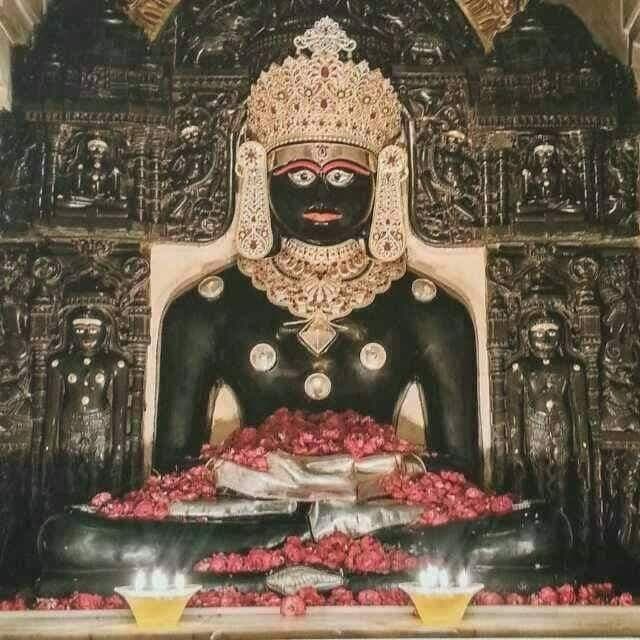
Neminath Jain Temple, Girnar
The Neminath Jain Temple, originally known as Karnavihara, is a significant Jain temple dedicated to the 24th Tirthankara, Neminatha, situated on Girnar hill in Gujarat, India. It is recognized as the foremost among the Girnar Jain temples, with its oldest existing structure dating back to the 12th century and built in the Māru-Gurjara architectural style.

Yogmaya Temple
The Yogmaya Temple, also known as Jogmaya Temple, is a Hindu temple in Mehrauli, New Delhi, dedicated to the goddess Yogmaya, an aspect of Maya and the sister of Krishna. It is considered one of the few surviving temples from the pre-Sultanate period in India and has undergone numerous reconstructions.
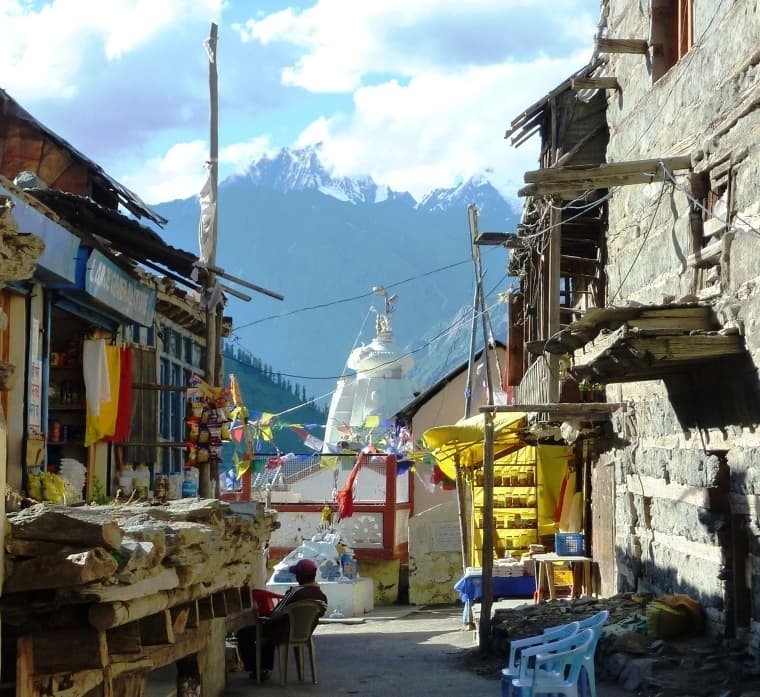
Triloknath Temple
The Triloknath Temple, located in Himachal Pradesh, India, is a significant religious site revered by both Tibetan Buddhists and Hindus. Originally believed to be a Buddhist vihara, it now houses a marble statue of Avalokiteshvara, worshipped as Shiva by Hindus and as Avalokiteshvara by Buddhists. The temple's architecture and history suggest a blend of influences, with its columns dating to the 9th century CE.