
Chintpurni Mandir
The Chintpurni Mandir, located in the Una district of Himachal Pradesh, is a significant Hindu temple dedicated to Maa Chintpurni, a form of the goddess Shakti. It is revered as one of the 51 Shakta pithas, sites believed to have received parts of the goddess Sati's body after her self-immolation. The temple is a major pilgrimage destination, attracting devotees seeking blessings and solace.
Key Facts
- ›The temple is dedicated to Maa Chintpurni, a form of the goddess Shakti, also known as Chhinnamastika.
- ›It is considered one of the 51 Shakta pithas, sacred sites where parts of Goddess Sati's body are believed to have fallen.
- ›Pandit Mai Das is credited with establishing the shrine approximately 12 generations ago.
- ›The temple serves as a repository for Hindu genealogy registers of pilgrims.
- ›It is located in Chintpurni town in the Una district of Himachal Pradesh, India.
- ›The temple is situated in the Shiwalik range of the Himalayas.
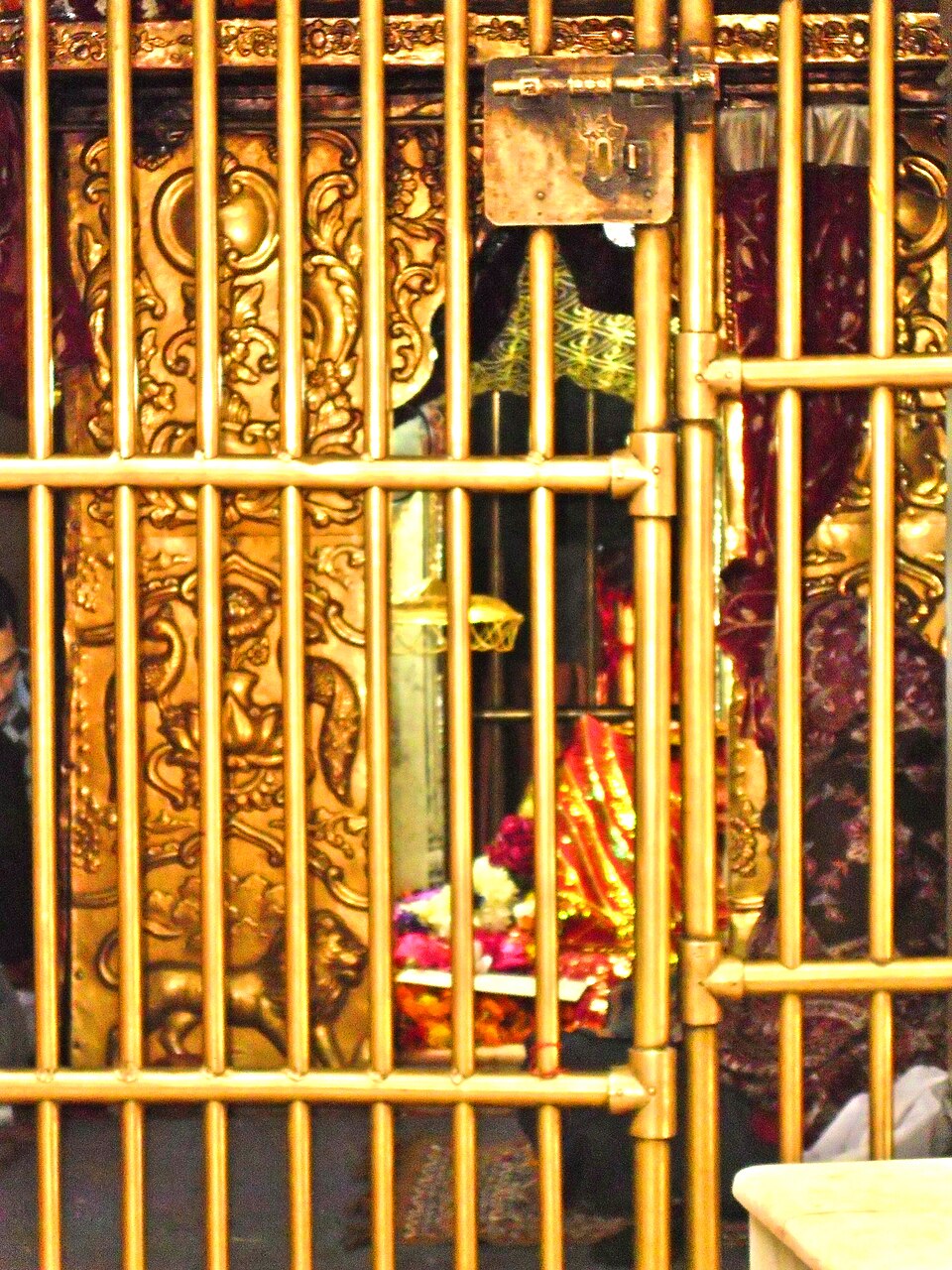
Maa Chintpurni, Chhinnamastika
Major Pilgrimage Site, One of the 51 Shakta Pithas, Repository For Hindu Genealogy Registers
Navaratra Fairs, Sankranti, Purnima, Ashtami
Pandit Mai Das
About Chintpurni Mandir
The Chintpurni Mandir, situated in the town of Chintpurni in the Una district of Himachal Pradesh, India, is a renowned Hindu temple and a significant pilgrimage site. It is dedicated to Maa Chintpurni, a powerful manifestation of the goddess Shakti, also known as Chhinnamastika. The temple holds immense religious importance as it is considered one of the 51 Shakta pithas, sacred sites believed to have received parts of the goddess Sati's body following her self-immolation.
Origin and Legend
The legend of the Shakta pithas originates from the story of Goddess Sati. When Lord Vishnu severed her burning body into 51 pieces to calm Lord Shiva's destructive dance, these fragments fell across the Indian subcontinent, creating these holy places. It is believed that Sati's consciousness fell at the location of the Chintpurni Mandir, making it a paramount spiritual center for devotees.
The goddess worshipped here, Chhinnamastika, is a divine embodiment of self-sacrifice. A key legend associated with her, as narrated in the Markandeya Purana, describes Goddess Chandi beheading herself to satisfy the blood thirst of her yogini emanations. The iconography typically portrays her holding her own severed head, drinking blood, with two naked yoginis beside her. This imagery symbolizes the transcendence of the mind and ego into pure divine consciousness, signifying freedom from material attachments.
Historical Establishment and Role
The Chintpurni Mandir is generally believed to have been established by Pandit Mai Das, a Punjabi Brahmin from Patiala Riyasat, approximately 12 generations ago. His descendants continue to reside in Chintpurni and serve as the hereditary priests performing prayers and rituals at the temple. Over time, the place became widely known as Chintpurni after the presiding deity.
A unique aspect of the Chintpurni Mandir is its role in maintaining Hindu genealogy registers for pilgrims. These registers, historically documented by local pandits, contain records of pilgrims' names, dates of visit, hometowns, and reasons for their pilgrimage. These records have been of great value for genealogical research, with some of these historical pilgrimage records being microfilmed by organizations like the Genealogical Society of Utah.
Pilgrimage and Devotion
Chintpurni Mandir is a major pilgrimage destination, especially during the Navaratra fairs held in Shrawan (July–August), Ashwin (September–October), and Chaitra (March–April). Other auspicious days for visiting include Sankranti, Purnima, and Ashtami. Devotees offer a variety of items to the goddess, including sweets, coconuts, flowers, and ghee. The central shrine features an image of Mata Chintpurni in the form of a pindi, a round stone, around which devotees gather for darshan and to offer their prayers and seek blessings. The temple complex offers views of the surrounding villages and scenic landscapes of the Shiwalik range.
Source: Wikipedia ↗
Frequently Asked Questions
What is the significance of Chintpurni Mandir as a Shakta pitha?
Chintpurni Mandir is considered a Shakta pitha because it is believed to be the site where Goddess Sati's consciousness fell after her self-immolation. These pithas are sacred shrines associated with the goddess Shakti, and there are 51 such sites linked to the Sanskrit alphabet.
Who is the primary deity worshipped at Chintpurni Mandir?
The primary deity worshipped at Chintpurni Mandir is Maa Chintpurni, who is also known by the name Chhinnamastika. This goddess is an embodiment of self-sacrifice and is interpreted as the 'severed-headed one'.
What is the legend behind the goddess Chhinnamastika?
According to the Markandeya Purana, Goddess Chandi, after defeating demons, cut off her own head to quench the thirst of her yogini emanations, Jaya and Vijaya. She is depicted holding her severed head and drinking blood, symbolizing the dissolution of the mind into divine consciousness.
Who established the Chintpurni Mandir?
The establishment of the shrine is generally attributed to Pandit Mai Das, a Brahmin from Patiala Riyasat, about 12 generations ago. His descendants continue to serve as priests and perform prayers at the temple.
What kind of offerings are made at Chintpurni Mandir?
Devotees bring various offerings to Maa Chintpurni, including sweets like suji halwa, laddoo, and barfi, as well as kheer, patasha, coconuts, chunni, red flags, flowers, and ghee. Prasad can be prepared at home or purchased from local shops.
What is special about the Hindu genealogy registers kept at Chintpurni?
Chintpurni serves as a location where Hindu genealogy registers of pilgrims are maintained by local pandits. These records historically included pilgrimage and marriage details, offering insights into ancestral lineages and visits to holy sites.
Related Temples (Hindu)

Taraknath Temple
The Taraknath Temple, located in Tarakeswar, West Bengal, India, is a significant Hindu pilgrimage site dedicated to Lord Shiva, worshiped here as Tarakanatha. Constructed in 1729, it features a distinct Bengal architectural style with an 'atchala' structure and an adjacent 'natmandir'. The temple is renowned for its belief that a dip in the nearby Dudhpukur tank fulfills prayers and is considered one of the 64 Jyotirlingas.

Tanot Mata Temple
The Tanot Mata Temple is a significant Hindu shrine located in the Jaisalmer district of Rajasthan, India, near the Pakistan border. Revered as a form of Goddess Hinglaj Mata, the temple is famously associated with the Indian victories in the Indo-Pakistani Wars of 1965 and 1971, with local folklore attributing the successful outcomes to divine intervention. The Border Security Force of India now manages the temple complex, which also includes a victory tower and a war museum.
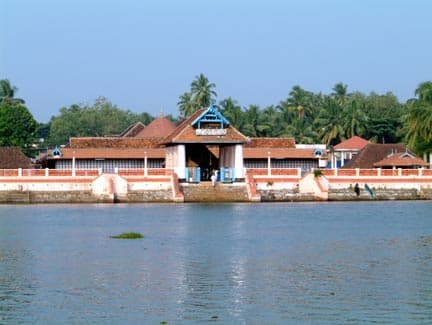
Thriprayar Temple
The Thriprayar Temple, also known as the Shree Ramaswami Temple, is a significant Hindu temple located in Triprayar, Thrissur district, Kerala, India. It is dedicated to Lord Rama, the seventh incarnation of Vishnu, who is depicted with four arms holding a conch, discus, bow, and garland. The temple's origin story involves the idol being worshipped by Krishna in Dwarka, later immersed in the sea, and eventually found by fishermen.