
Chettikulangara Devi Temple
The Chettikulangara Devi Temple, located in Alappuzha district of Kerala, India, is a renowned Hindu temple dedicated to Goddess Bhadrakali, an incarnation of Shakthi. Believed to be around 1,200 years old, the temple is significant for its unique festivals like Kumbha Bharani, which features elaborate processions and offerings such as Kettukazhcha, and is considered the second largest temple in terms of income under the Travancore Devaswom Board.
Key Facts
- ›The main deity is Sree Bhadrakali, an incarnation of Shakthi devi.
- ›The temple is believed to be approximately 1,200 years old.
- ›It is the second largest temple by income under the Travancore Devaswom Board, after Sabarimala.
- ›Notable festivals include Kumbha Bharani, featuring Kuthiyottam and Kettukazhcha, and Parayeduppu.
- ›Kettukazhcha involves the construction and procession of gigantic temple cars, chariots, and effigies of Bhima and Hanuman.
- ›The temple has 13 'Karas' or territories, with the oldest four forming its central area.

Bhadrakali
Religious Pilgrimage, Cultural Heritage, Economic Significance, Architectural and Aesthetic Acumen
Venad
Kumbha Bharani, Parayeduppu, Ethirelpu Ulsavam, Aswathy Ulsavam
Chembolil Thangal, Puthupurakkal Unnithan, Kaitha Thekku Mangattachan, Mecheril Panickar, Ravi Varman, Aadithya Kulasekharan
Kettukazhcha
Karippuzha Rivulet
About Chettikulangara Devi Temple
The Chettikulangara Devi Temple is a highly revered Hindu temple situated in the Alappuzha district of Kerala, India. Dedicated to Goddess Bhadrakali, an embodiment of supreme mother Shakthi, the temple is believed to be approximately 1,200 years old. Its spiritual significance is amplified by its status as the second largest temple in terms of income under the Travancore Devaswom Board, surpassed only by Sabarimala.
Historical Context and Legends
Local legends of the temple's origin speak of a desire to establish a Bhagavathi temple at Chettikulangara following humiliation faced by local chieftains at another temple. The establishment is associated with the blessings sought from Kodungallur Bhagavathi and a divine manifestation of the Goddess herself at Chettikulangara. While some historical accounts suggest a consecration in 823 CE by Padmapadacharyar, a disciple of Adi Shankara, and visits by rulers like Ravi Varman and Aadithya Kulasekharan, there is also scholarly debate regarding its antiquity compared to nearby temples. The current Sreekovil dates back about 450-480 years, with the Chuttambalam being around two centuries old.
Festivals and Offerings
The temple is renowned for its vibrant festivals, with Kumbha Bharani being the most significant. Celebrated in February or March, this festival features the unique rituals of Kuthiyottam, where children perform a special dance, and Kettukazhcha. Kettukazhcha involves the construction and grand procession of colossal temple cars, chariots, and effigies representing mythological figures, showcasing immense artistic skill and devotion. Another major festival is Parayeduppu, a months-long procession where the deity is taken out to visit the homes of devotees within her domains.
Cultural and Economic Importance
The Chettikulangara Devi Temple holds considerable cultural importance, with several of its unique offerings and festivals, such as Kuthiramoottil Kanji and Therummoottil Kanji, having received Geographical Indication (GI) tags. The temple's economic contributions are substantial, aiding in the daily rituals and upkeep of various temples under the Travancore Devaswom Board. The temple complex is divided into 13 'Karas' or territories, with the oldest four forming its central area.
Source: Wikipedia ↗
Frequently Asked Questions
What is the significance of the Chettikulangara Devi Temple?
The Chettikulangara Devi Temple is a prominent Hindu temple in Kerala dedicated to Goddess Bhadrakali. It is renowned for its unique festivals, particularly Kumbha Bharani, and its substantial income, making it the second largest under the Travancore Devaswom Board. The temple is also significant for its cultural heritage, showcased through its elaborate Kettukazhcha offerings.
What are the main festivals celebrated at Chettikulangara Devi Temple?
The most important festivals are Kumbha Bharani and Parayeduppu. Kumbha Bharani, celebrated in February or March, is famous for Kuthiyottam and Kettukazhcha. Parayeduppu involves the deity being taken out in procession, beginning on the star Makayriam in the Malayalam month Makaram and continuing until the end of Meenam.
What is Kettukazhcha?
Kettukazhcha is a unique offering at Chettikulangara Devi Temple, involving the construction and procession of large, decorated structures. These include six temple cars known as 'Kuthira' (Horses), five 'Theru' (Chariots), and icons of Bhima and Hanuman. These are considered a mark of gratitude and devotion from the devotees.
What is the origin story of the Chettikulangara Devi Temple?
Popular beliefs suggest the temple was built after local chieftains were humiliated at another temple, leading them to seek divine intervention. Legends describe the Goddess appearing in dreams and later manifesting herself, with various incidents involving a boatman and a woman at an illam confirming her arrival at Chettikulangara.
What is Kuthiyottam?
Kuthiyottam is a significant ritual offering during the Kumbha Bharani festival. It involves children performing a special dance, called Kuthiyota chuvadukal, as a form of sacrifice and offering to the Goddess. Preparations and training for this ritual begin seven days before the festival.
What is the architectural style or age of the temple?
While the temple is believed to be around 1,200 years old, the present Sreekovil (inner sanctum) is estimated to be only 450–480 years old, and the Chuttambalam (outer wall) is about two centuries old. The infrastructure has been developed by local chieftains over time, with the Sreekoil revamped in 1540 CE.
Related Temples (Hindu)

Tanot Mata Temple
The Tanot Mata Temple is a significant Hindu shrine located in the Jaisalmer district of Rajasthan, India, near the Pakistan border. Revered as a form of Goddess Hinglaj Mata, the temple is famously associated with the Indian victories in the Indo-Pakistani Wars of 1965 and 1971, with local folklore attributing the successful outcomes to divine intervention. The Border Security Force of India now manages the temple complex, which also includes a victory tower and a war museum.

Kumararama
The Kumararama Temple, also known as Bhimarama or Chalukya Kumararama Bhimeswara Temple, is a significant Hindu temple dedicated to Lord Shiva, located in Samalkota, Andhra Pradesh. It is one of the five Pancharama Kshetras and is renowned for its unique limestone Shiva Lingam, which is 16 feet tall and pierces through the roof to the second floor.
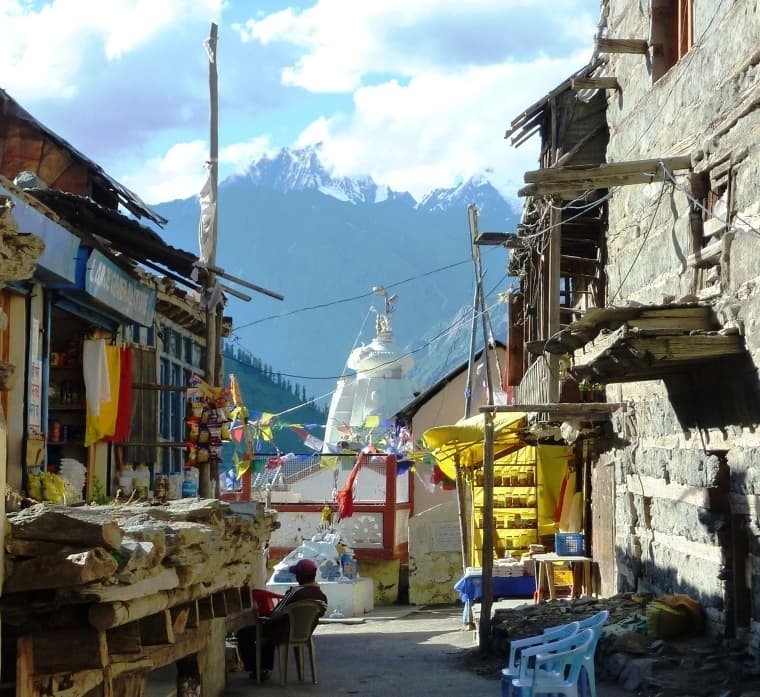
Triloknath Temple
The Triloknath Temple, located in Himachal Pradesh, India, is a significant religious site revered by both Tibetan Buddhists and Hindus. Originally believed to be a Buddhist vihara, it now houses a marble statue of Avalokiteshvara, worshipped as Shiva by Hindus and as Avalokiteshvara by Buddhists. The temple's architecture and history suggest a blend of influences, with its columns dating to the 9th century CE.