
Chamundeshwari Temple
The Chamundeshwari Temple is a significant Hindu temple situated atop Chamundi Hills near Mysuru, Karnataka, India. Dedicated to Chamundeshwari, a fierce form of the goddess Shakti and the tutelary deity of the Mysuru Maharajas, the temple is revered as a Shakta pitha and is believed to be the site where Goddess Durga vanquished the demon king Mahishasura.
Key Facts
- ›Located on top of Chamundi Hills, approximately 13 km from Mysuru, Karnataka, India.
- ›Dedicated to Chamundeshwari, a fierce form of Shakti and the tutelary deity of the Mysuru Maharajas.
- ›Considered a Shakta pitha and one of the 18 Shakta pithas, also known as Krouncha Pitha.
- ›The original shrine is believed to have been constructed in the 12th century by the Hoysala Dynasty.
- ›The tower was likely added by the rulers of the Vijayanagara Empire in the 17th century.
- ›A prominent feature is a 1000-step staircase built in 1659, leading to the summit.

Chamundeshwari
Shakta Pitha, Pilgrimage Site, Historical Importance For Mysuru Maharajas
Hoysala Dynasty, Vijayanagara Empire
Ashada Shukravara, Navaratri, Ammanavara Vardhanthi, Chamundi Jayanti, Mysuru Dasara
Granite
Hoysala Dynasty, Vijayanagara Empire Rulers, Mysore Maharaja Dooda Devaraja Wodeyar
Granite Nandi Statue
About Chamundeshwari Temple
The Chamundeshwari Temple is a prominent Hindu temple situated atop the Chamundi Hills, approximately 13 kilometers from the palace city of Mysuru in the Indian state of Karnataka. The temple is named after Chamundeshwari, a fierce manifestation of the goddess Shakti, who has been revered for centuries by the Maharajas of Mysuru. The people of Karnataka affectionately refer to Chamundeshwari as Nada Devi, signifying her role as the state goddess. The temple is located at an elevation of about 3300 feet above sea level.
Legend states that Goddess Durga, in her Chamundeshwari form, vanquished the demon king Mahishasura on this very hill, which was then under his rule. This event is believed to have given the region its ancient name, Mahishooru, meaning 'Place of Mahisha,' which eventually evolved phonetically into Mahisuru and was later anglicized to Mysore by the British.
Religious and Spiritual Importance
The Chamundeshwari Temple holds significant religious importance and is recognized as a Shakta pitha, a sacred site dedicated to Shakti. It is counted among the 18 Shakta pithas and is also known as Krouncha Pitha, as the region was historically referred to as Krouncha Puri in Puranic texts. Tradition further suggests that the hair of Goddess Sati fell at this sacred location.
Architecture and Construction
The original shrine is believed to have been constructed in the 12th century by the rulers of the Hoysala Dynasty. The temple's tower was likely added later, possibly by the rulers of the Vijayanagara Empire in the 17th century. A notable architectural feature is the thousand-step staircase, constructed in 1659, which ascends to the temple situated on the approximately 3000-foot summit of the hill. The sanctum houses the image of Chamundeshwari, depicted with eight hands ('Ashtabhuja'). The temple complex also features several images of Nandi, the bull mount of Lord Shiva. A particularly striking feature is a colossal granite Nandi statue, installed in 1664 by Mysore Maharaja Dooda Devaraja Wodeyar, located on the 700th step of the hill, in front of a small Shiva temple.
Festivals and Celebrations
The Chamundeshwari Temple is a vibrant center for numerous festivals. It is particularly famous for its celebrations during Ashada Shukravara (Fridays in the month of Ashadha), Navaratri, and Ammanavara Vardhanthi. During Ashada Fridays, lakhs of devotees congregate at the temple, considering these days exceptionally auspicious. Chamundi Jayanti is another significant festival celebrated on the anniversary of the consecration of the goddess's Utsava Moorti by the Maharaja of Mysore, involving a procession of the idol in a golden palanquin.
The most important festival observed here is Navaratri, which is celebrated as the state festival of Karnataka, known as Nada habba. Throughout the nine nights of Navaratri, the idol of the goddess is adorned in nine distinct ways, representing the nine aspects of the goddess known as Navadurgas. On the seventh day of Navaratri, dedicated to the goddess Kalaratri, valuable jewels, donated by the Maharajas and kept in the Mysuru District Treasury, are brought to the temple to bedeck the idol.
A related temple at the foothills in Utthanahalli is the Jwalamalini Sri Tripura Sundari Temple. This goddess is considered the sister of Chamundeshwari and is believed to have assisted her in defeating the demon Raktabīja.
Source: Wikipedia ↗
Frequently Asked Questions
What is the religious significance of the Chamundeshwari Temple?
The Chamundeshwari Temple is considered a significant Shakta pitha, one of the 18 such sacred sites. It is also known as Krouncha Pitha, referencing the ancient name of the region as Krouncha Puri. Tradition holds that the hair of Goddess Sati fell at this location.
Who is Chamundeshwari?
Chamundeshwari is a fierce form of the Hindu goddess Shakti, revered as the tutelary deity of the Mysuru Maharajas. In Karnataka, she is also known as Nada Devi, meaning 'state Goddess'. Legend states that Goddess Durga, in her Chamundeshwari form, slew the demon king Mahishasura on the hill where the temple stands.
What is the architectural history of the Chamundeshwari Temple?
The original shrine is thought to date back to the 12th century, built by the Hoysala Dynasty. The temple's tower was likely constructed by the Vijayanagara Empire rulers in the 17th century. A notable architectural addition is the staircase of one thousand steps, completed in 1659, which leads to the temple.
What are the main festivals celebrated at Chamundeshwari Temple?
The temple is renowned for its celebrations of Ashada Shukravara, Navaratri, and Ammanavara Vardhanthi. Navaratri is the most important festival, during which the idol is adorned in nine different ways to represent the Navadurgas. Mysuru Dasara, celebrated as Karnataka's state festival, is a major event.
What is the significance of the granite Nandi statue?
A colossal granite statue of Nandi, the bull mount of Lord Shiva, is located on the 700th step of the staircase leading to the temple. This impressive sculpture was installed in 1664 by Mysore Maharaja Dooda Devaraja Wodeyar.
Related Temples (Hindu)
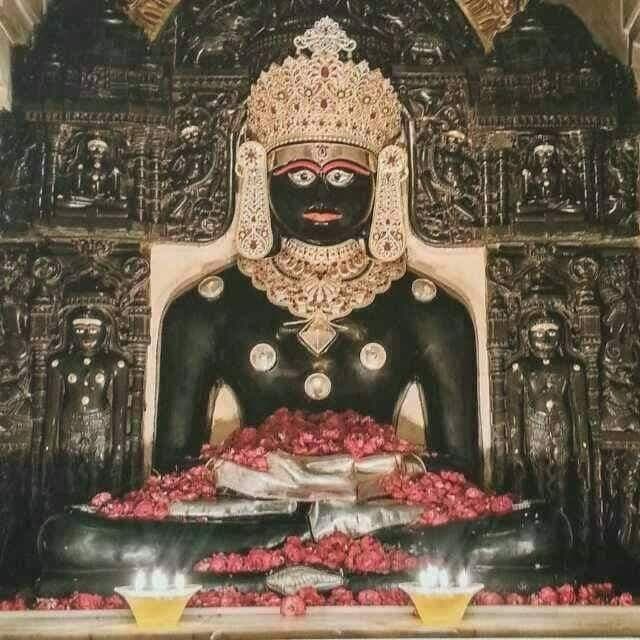
Neminath Jain Temple, Girnar
The Neminath Jain Temple, originally known as Karnavihara, is a significant Jain temple dedicated to the 24th Tirthankara, Neminatha, situated on Girnar hill in Gujarat, India. It is recognized as the foremost among the Girnar Jain temples, with its oldest existing structure dating back to the 12th century and built in the Māru-Gurjara architectural style.

Yogmaya Temple
The Yogmaya Temple, also known as Jogmaya Temple, is a Hindu temple in Mehrauli, New Delhi, dedicated to the goddess Yogmaya, an aspect of Maya and the sister of Krishna. It is considered one of the few surviving temples from the pre-Sultanate period in India and has undergone numerous reconstructions.
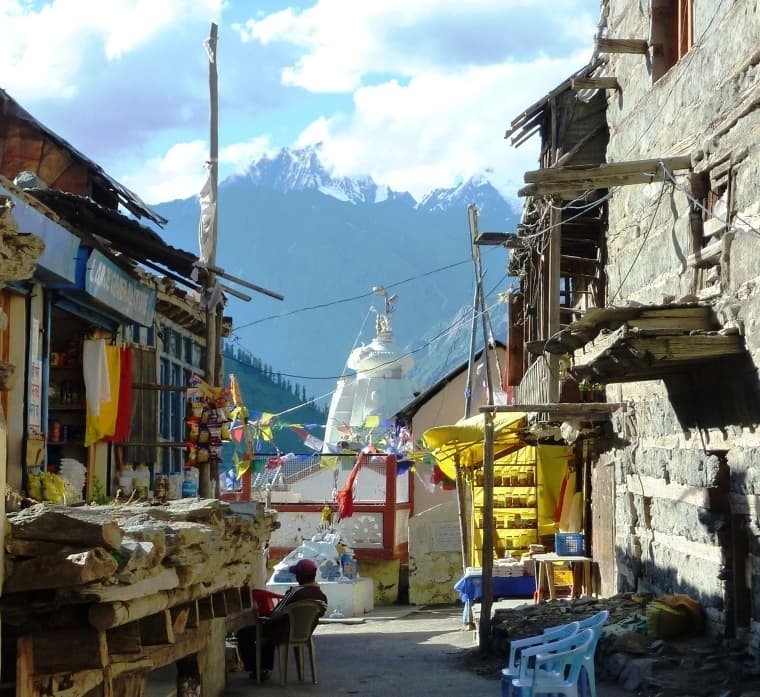
Triloknath Temple
The Triloknath Temple, located in Himachal Pradesh, India, is a significant religious site revered by both Tibetan Buddhists and Hindus. Originally believed to be a Buddhist vihara, it now houses a marble statue of Avalokiteshvara, worshipped as Shiva by Hindus and as Avalokiteshvara by Buddhists. The temple's architecture and history suggest a blend of influences, with its columns dating to the 9th century CE.