
Brahma Temple, Pushkar
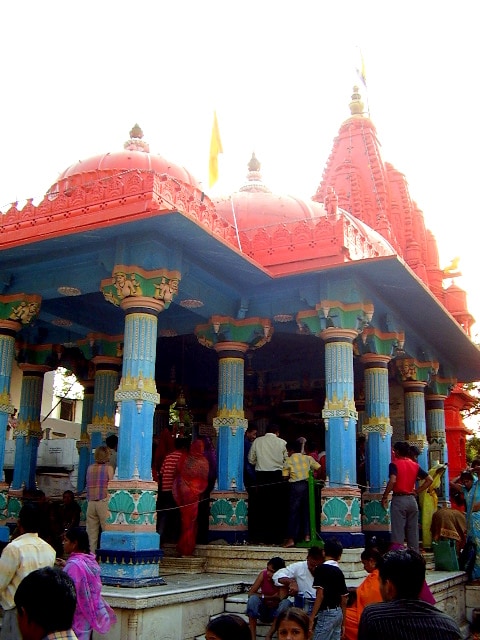
The Brahma Temple, Pushkar, also known as Jagatpita Brahma Mandir, is a prominent Hindu temple in Rajasthan, India, dedicated to the creator-god Brahma. It is one of the few existing temples exclusively devoted to Brahma and is intrinsically linked to the sacred Pushkar Lake, with legends suggesting Brahma himself chose the site for his temple.
Key Facts
- ›The temple structure dates to the 14th century CE with later partial rebuilding.
- ›It is one of the most significant temples dedicated to Brahma in India.
- ›The temple is constructed from marble and stone slabs.
- ›It features a distinct red pinnacle (shikhara) and a hamsa bird motif.
- ›Householders are not permitted to enter the sanctum sanctorum; only ascetics can worship the deity directly.
- ›A major festival dedicated to Brahma is held on Kartik Poornima, attracting large numbers of pilgrims.
Brahma, Gayatri, Sarasvati
- Religious Pilgrimage Site
- Prominent Temple Dedicated To Brahma
- Associated With Sacred Pushkar Lake
- Historical Importance Due To Its Age and Renovations
Kartik Poornima, Poornima, Amavasya
Marble, Stone Slabs, Stone Blocks, Silver
Sage Vishwamitra, Adi Shankara, Maharaja Jawat Raj of Ratlam
Four-Headed Idol of Brahma, Image of Gayatri, Image of Sarasvati, Silver Turtle
Pushkar Lake
About Brahma Temple, Pushkar
The Brahma Temple, also known as Jagatpita Brahma Mandir, is a revered Hindu temple situated in Pushkar, Rajasthan, India. It holds significant religious importance as one of the very few temples dedicated exclusively to the Hindu creator-god Brahma, and it is the most prominent among them. The temple's legend is closely tied to the sacred Pushkar Lake, a pilgrimage site that Brahma himself is believed to have chosen for his shrine.
History and Legend
The temple's primary structure dates back to the 14th century CE, though it has undergone partial rebuilding and renovations over time. Historical accounts attribute its construction to the sage Vishwamitra and mention renovations by the 8th-century philosopher Adi Shankara, with further modifications attributed to Maharaja Jawat Raj of Ratlam. According to Hindu scripture, Brahma performed a significant yajna (fire sacrifice) at Pushkar Lake after slaying the demon Vajranabha. During this ritual, his wife Savitri, angered by his marriage to Gayatri to complete the ceremony, cursed Brahma that he would not be worshipped. However, the curse was later modified, allowing his worship specifically in Pushkar, solidifying the temple's unique status.
Architecture and Worship
Constructed from marble and stone slabs, the Brahma Temple is characterized by its striking red pinnacle (shikhara) and the motif of a hamsa (swan), Brahma's mount. The temple stands on a high plinth and is approached by marble steps. Inside, the sanctum sanctorum houses a life-size marble idol of the four-faced Brahma, known as the chaumurti, with each face oriented in a cardinal direction. The temple's floor and walls are adorned with inlaid silver coins, a testament to the devotion of pilgrims. A notable aspect of worship is that only ascetics (sanyasis) are permitted to enter the sanctum to worship the deity, while householders offer prayers through a priest from the outer hall.
Significance and Festivals
Pushkar is often referred to as the 'King of the sacred places of the Hindus,' and the Brahma Temple is central to this designation. The temple is a major pilgrimage destination, especially during the annual festival held on Kartik Poornima, the full moon night in the Hindu lunar month of Kartik. This occasion attracts thousands of pilgrims who bathe in the adjacent Pushkar Lake, a ritual believed to cleanse sins. Special rites are also observed on all full moon (Poornima) and new moon (Amavasya) days.
Source: Wikipedia ↗
Frequently Asked Questions
When was the Brahma Temple, Pushkar built?
The temple structure dates to the 14th century CE. Historical accounts suggest it was built by the sage Vishwamitra and later renovated by the 8th-century philosopher Adi Shankara, with the current medieval structure incorporating additions and repairs by Maharaja Jawat Raj of Ratlam.
What is the significance of the Brahma Temple, Pushkar?
It is one of the very few temples dedicated to the Hindu creator-god Brahma in India and is considered the most prominent among them. Scriptures describe Pushkar as the only Brahma temple in the world, though this is no longer entirely true; however, its religious and pilgrimage importance remains immense.
What architectural features are notable at the Brahma Temple, Pushkar?
The temple is set on a high plinth and approached by marble steps. It features a distinct red pinnacle (shikhara) approximately 70 feet high and a hamsa (swan) motif, Brahma's mount, decorating the entrance. The interior has marble floors and walls inlaid with silver coins by devotees.
What is the legend behind the Brahma Temple, Pushkar?
According to legend, Brahma performed a yajna at Pushkar Lake after slaying a demon. His wife Savitri cursed him to be never worshipped, but later reduced the curse to permit worship only in Pushkar due to his marriage with Gayatri to complete the ritual. This legend contributes to its unique status.
Who is allowed to worship inside the sanctum sanctorum of the Brahma Temple, Pushkar?
Householders, or married men, are not permitted to enter the sanctum sanctorum to worship the deity. Only ascetics (sanyasis) are allowed to enter and perform worship directly. Pilgrims offer their prayers and offerings through a sanyasi priest from the outer hall.
When is the main festival celebrated at the Brahma Temple, Pushkar?
The most significant festival dedicated to Brahma is held annually on Kartik Poornima, the full moon night of the Hindu lunar month of Kartik (October-November). This occasion draws thousands of pilgrims who bathe in the sacred Pushkar Lake adjacent to the temple and participate in various rites.
Related Temples (Hindu)
Kotappakonda
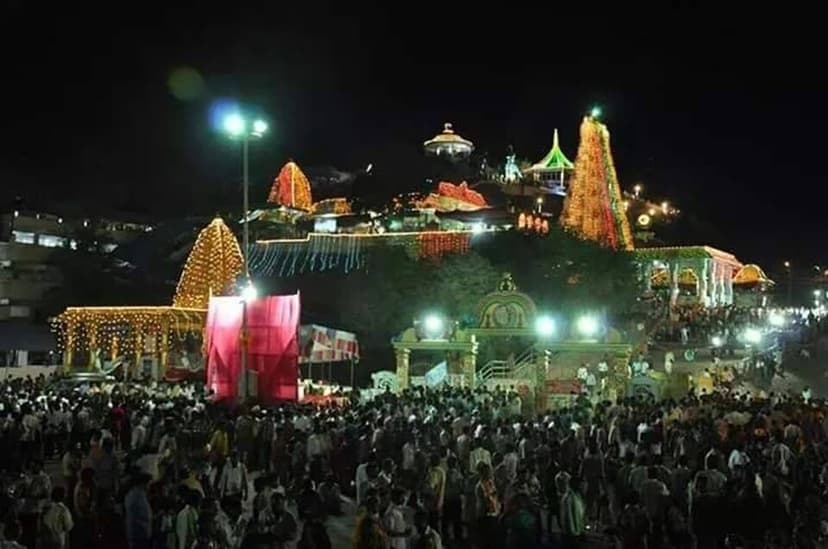
Kotappakonda is a significant Hindu pilgrimage site in Andhra Pradesh, India, centered around the ancient Sri Trikoteswara Swamy Temple, dedicated to Lord Shiva. Renowned for its three distinct peaks, the site is a major Shaivite center, drawing large crowds, especially during the annual Maha Shivaratri festival.

Kapilesvara Siva Temple
The Kapilesvara Siva Temple is a Hindu temple dedicated to Shiva, located in Bhubaneswar, Odisha, India. Situated in a precinct with 33 other monuments, it is considered a sacred site, with local legend identifying it as the birthplace of Lord Shiva. The temple complex, which includes various shrines and mandapas, has a rich architectural history, with some structures dating back to the 10th or 11th century and others renovated or built later.

Hampi
Hampi, also known as the Group of Monuments at Hampi, is a UNESCO World Heritage Site located in Karnataka, India. Once the prosperous capital of the Vijayanagara Empire, Hampi is now a sprawling archaeological site featuring over 1,600 surviving remains of forts, temples, royal complexes, and water structures, spread across 4,100 hectares. It continues to be a significant religious center, particularly with the active Virupaksha Temple.