
Bipadtarini Chandibari
Bipadtarini Chandibari is a significant Hindu temple in Rajpur Sonarpur, West Bengal, dedicated to Maa Bipadtarini, an aspect of Goddess Durga. Established by Baba Dulal, the temple is a vital pilgrimage site where devotees seek protection from danger and fulfillment of wishes. It is renowned for its unique rituals and the auspicious significance of the number 13 in its worship practices.
Key Facts
- ›Dedicated to Maa Bipadtarini, an aspect of Goddess Durga.
- ›Located in Rajpur Sonarpur, South 24 Parganas, West Bengal.
- ›Established by Baba Dulal, a matri-sadhak.
- ›Devotees believe chanting 'Jay Maa Bipattarini Chandir Jay' offers protection from danger.
- ›The temple follows specific puja rituals, with a principal festival in Ashar (June-July).
- ›The number 13 holds auspicious significance in the temple's rituals and offerings.
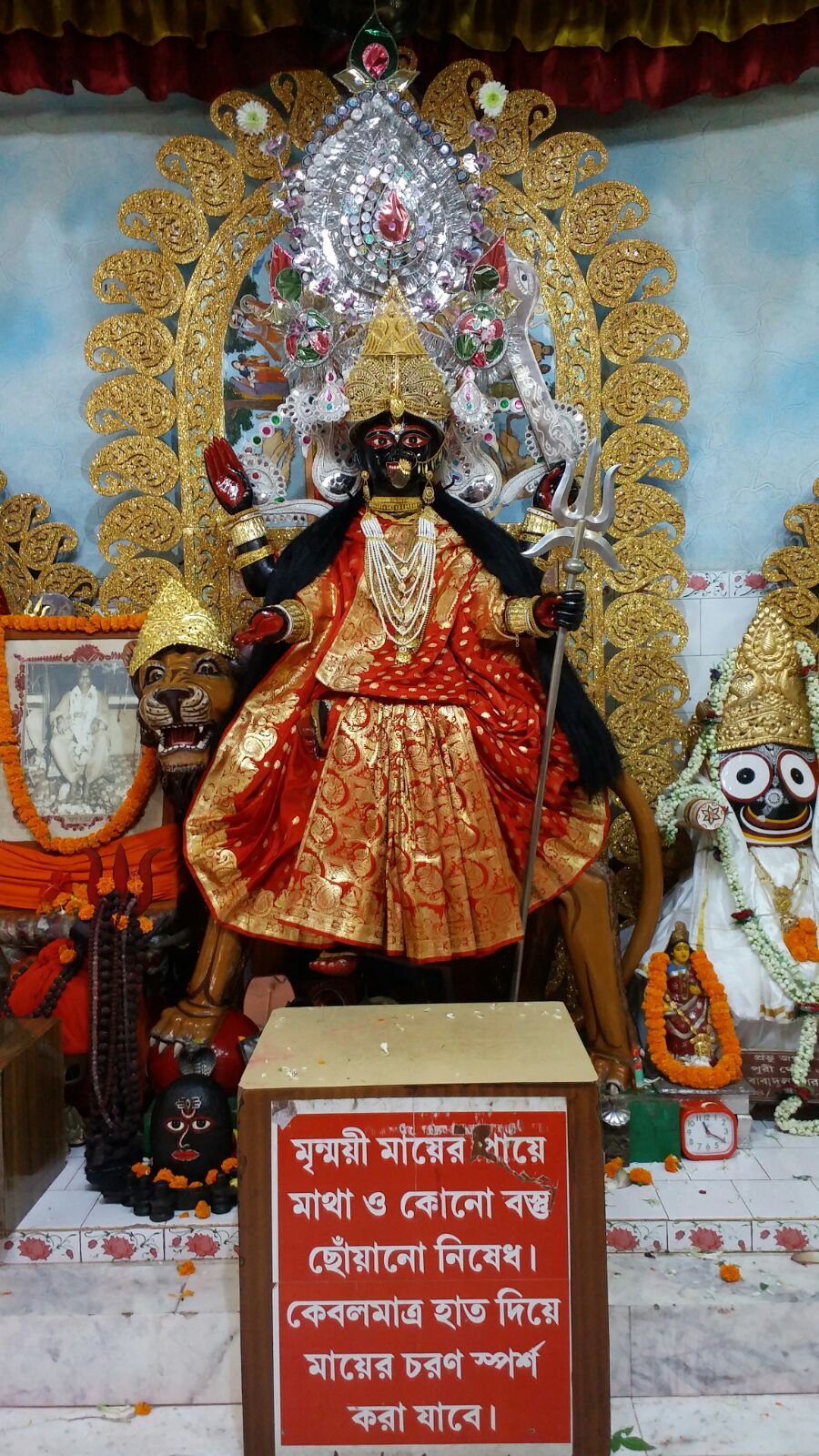
Bipadtarini, Durga
- Major Pilgrimage Site For Devotees of Maa Bipadtarini
- Important Shrine For Protection From Danger
- Celebrates Unique Worship Rituals and the Auspicious Significance of the Number 13
Bipadtarini Chandi Brata, Durga Puja
Marble
Baba Dulal
Idol of Maa Bipadtarini, Idol of Lord Jagannath, Idol of Radha Krishna, Idol of Maa Kali, Shiva Lingam, Idol of Maa Lakshmi, Statues of Baba Dulal and Shakti Sadhana Devi
About Bipadtarini Chandibari
Bipadtarini Chandibari, also known as Bipattarini Chandibari, is a significant Hindu temple located on S.B. Das Road in Rajpur Sonarpur, South 24 Parganas, West Bengal. It is dedicated to Maa Bipadtarini, a revered aspect of the goddess Durga, and is recognized as one of the most important shrines for this deity in the Indian subcontinent. Thousands of devotees visit annually to seek her blessings for protection from danger and the fulfillment of their wishes.
History and Establishment
The temple was established by Baba Dulal, a spiritual practitioner known as a matri-sadhak. Born as Dulal Chandra Das, he developed a deep interest in spirituality from a young age. According to legend, he received divine instruction from Maa Bipadtarini herself regarding the appearance of her idol and the specific puja rituals to be followed. He established an idol of Maa Bipattarini Chandi in his home and initiated a unique form of worship, encouraging followers to see her as a mother figure.
Divine Attributes and Worship
Maa Bipadtarini's idol is characterized by its dark complexion, lion vahana (mount), and four hands, each symbolizing specific attributes. The temple is a focal point for Bipadtarini Chandi Brata, a ritual observed to seek the goddess's protection. Devotees believe that chanting her name, "Jay Maa Bipattarini Chandir Jay," three times can ward off trouble.
Rituals and Festivals
While the temple is visited daily, Tuesdays and Saturdays are particularly significant for worship. The main annual festival occurs in the month of Ashar (June-July), celebrated between 'Shukla Dwitiya' and 'Shukla Dashami' according to the lunisolar Bengali Hindu calendar. A unique aspect of the worship is the auspicious significance of the number 13, which is incorporated into various ritual elements and offerings, including fruits, sweets, and luchis. Red threads ('dhagas') with 13 knots are tied on devotees' hands after the puja as a symbol of protection.
Temple Complex
The temple complex is home to idols of several other Hindu deities, including Lord Jagannath, Radha Krishna, and Maa Kali. The picture of Baba Dulal, the temple's founder, is also prominently displayed. A sacred Aegle marmelos tree, under which Baba Dulal meditated, is a central feature within the complex, surrounded by a fence that devotees circumambulate. The room where Baba Dulal meditated has been preserved, allowing devotees to visit after offering their prayers.
Source: Wikipedia ↗
Frequently Asked Questions
Who is Maa Bipadtarini?
Maa Bipadtarini is an aspect of the Hindu goddess Durga, considered one of her 108 avatars. She is worshipped as a protector from all kinds of danger and is believed to fulfill devotees' wishes.
Who founded Bipadtarini Chandibari?
The temple was established by Baba Dulal, who was born as Dulal Chandra Das. He was a renowned matri-sadhak who began worshipping Maa Bipattarini in a new manner after a divine vision.
What is the significance of the number 13 at this temple?
The number 13 is considered highly auspicious at Bipadtarini Chandibari, unlike in other Hindu traditions. It is linked to a legend involving Draupadi and the Pandavas, and is reflected in the number of offerings and ritual items used during puja.
When is the main festival celebrated at Bipadtarini Chandibari?
The principal annual festival takes place in the month of Ashar (June-July), between the Shukla Dwitiya and Shukla Dashami days, according to the Bengali Hindu calendar. This period marks the Bipadtarini Chandi Brata, attracting the largest crowds.
What are the timings for visiting Bipadtarini Chandibari?
The temple is open daily to devotees. The visiting hours are from 7:30 a.m. to 11 a.m. in the morning and from 5 p.m. to 6:30 p.m. in the evening.
What are the notable features of Maa Bipadtarini's idol?
Maa Bipadtarini's idol is dark-complexioned and rides a lion. It has four hands, with the upper left holding a kharga (sword), the lower left a trishul (trident), the upper right in an 'aashirvad mudra' (blessing gesture), and the lower right in an 'abhay mudra' (fear-dispelling gesture).
Related Temples (Hindu)

Taraknath Temple
The Taraknath Temple, located in Tarakeswar, West Bengal, India, is a significant Hindu pilgrimage site dedicated to Lord Shiva, worshiped here as Tarakanatha. Constructed in 1729, it features a distinct Bengal architectural style with an 'atchala' structure and an adjacent 'natmandir'. The temple is renowned for its belief that a dip in the nearby Dudhpukur tank fulfills prayers and is considered one of the 64 Jyotirlingas.

Tanot Mata Temple
The Tanot Mata Temple is a significant Hindu shrine located in the Jaisalmer district of Rajasthan, India, near the Pakistan border. Revered as a form of Goddess Hinglaj Mata, the temple is famously associated with the Indian victories in the Indo-Pakistani Wars of 1965 and 1971, with local folklore attributing the successful outcomes to divine intervention. The Border Security Force of India now manages the temple complex, which also includes a victory tower and a war museum.
Thriprayar Temple
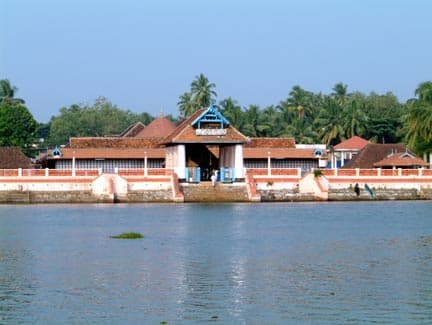
The Thriprayar Temple, also known as the Shree Ramaswami Temple, is a significant Hindu temple located in Triprayar, Thrissur district, Kerala, India. It is dedicated to Lord Rama, the seventh incarnation of Vishnu, who is depicted with four arms holding a conch, discus, bow, and garland. The temple's origin story involves the idol being worshipped by Krishna in Dwarka, later immersed in the sea, and eventually found by fishermen.