
Bhutanatha group of temples, Badami
The Bhutanatha group of temples is a collection of Hindu shrines located east of Agastya lake in Badami, Karnataka, India, dating from the 7th to 12th centuries. The complex is divided into two main subgroups: the East Bhutanatha group, primarily in Dravida style, and the North Bhutanatha group (also known as the Mallikarjuna group), predominantly in Nagara style.
Key Facts
- ›Comprises two main subgroups: East Bhutanatha (7th-8th century) and North Bhutanatha/Mallikarjuna (11th-12th century).
- ›The East Bhutanatha group showcases Badami Chalukya architecture, while the North Bhutanatha group reflects Kalyani Chalukya styles.
- ›The main temple of the East Bhutanatha group features a gudha-mandapa with a sanctum containing a Shiva linga and a Dravida-style superstructure.
- ›The North Bhutanatha group is known for its pyramidal superstructure in the Nagara phamsana style.
- ›Artwork found includes depictions of Ganga, Yamuna, Ganesha, Mahisasuramardini, and images of both Vishnu and Shiva.
- ›An inscription in the main temple dates to the late 9th century, indicating active worship during that period.

Shiva, Vishnu
- Showcases Evolution of Badami Chalukya and Kalyani Chalukya Architectural Styles.
- Important Examples of Dravida and Nagara Temple Architecture.
- Historical Evidence of Active Worship and Patronage Through Inscriptions.
Badami Chalukya, Kalyani Chalukya
Paingara Family
Ganga On Makara, Yamuna On Tortoise, Ganesha, Mahisasuramardini, Kinnaras and Gandharvas
Agastya Lake
About Bhutanatha group of temples, Badami
The Bhutanatha group of temples is a significant Hindu temple complex situated to the east of Agastya lake in Badami, Karnataka, India. These temples, constructed between the 7th and 12th centuries, represent a rich period of architectural development and religious devotion in the region.
Architectural Styles and Subgroups
The complex is broadly divided into two main subgroups, each reflecting distinct architectural influences. The East Bhutanatha group, dating from the 7th to 8th centuries, largely adheres to the Dravida architecture style and showcases the craftsmanship of the Badami Chalukya period. In contrast, the North Bhutanatha group, also known as the Mallikarjuna group, was developed from the 11th to 12th centuries and predominantly features the Nagara architecture style, characteristic of the Kalyani Chalukya architects.
Key Features and Deities
The main temple of the East Bhutanatha group is the oldest, featuring a gudha-mandapa with four substantial pillars and a smaller sanctum housing a Shiva linga. Its superstructure follows the Dravida style, with a multi-storeyed vimana adorned with decorative elements. The North Bhutanatha group, located on the northern bank of the man-made lake, is distinguished by its pyramidal superstructure in the Nagara phamsana style. Artwork and inscriptions found within the complex provide insights into the religious practices and patronage of the time, with evidence of worship dedicated to both Shiva and Vishnu.
Source: Wikipedia ↗
Frequently Asked Questions
What is the Bhutanatha group of temples?
The Bhutanatha group of temples is a significant collection of Hindu shrines located in Badami, Karnataka, India. These temples were built between the 7th and 12th centuries and are divided into two primary subgroups, showcasing distinct architectural styles.
What are the two main subgroups of the Bhutanatha temples?
The two main subgroups are the East Bhutanatha group, also known as the Bhutanatha main group, and the North Bhutanatha group, also referred to as the Mallikarjuna group. The former dates from the 7th to 8th centuries, while the latter is from the 11th to 12th centuries.
What architectural styles are represented at the Bhutanatha group of temples?
The East Bhutanatha group primarily exhibits the Dravida architecture style, characteristic of the Badami Chalukya period. The North Bhutanatha group, along with the nearby Yellamma temple, showcases the Nagara architecture style, reflecting the influence of the Kalyani Chalukya architects.
What deities are worshipped at the Bhutanatha temples?
The temples are dedicated to Hindu deities, with evidence pointing towards worship of Shiva, as indicated by the presence of Shiva lingas in the main temples. Some smaller shrines within the complex may have originally been consecrated for Vishnu.
What is notable about the architecture of the East Bhutanatha group?
The East Bhutanatha group, particularly the main temple, features a gudha-mandapa with intricately carved pillars, leading to a square sanctum. Its superstructure is in the Dravida style, with multiple storeys and decorative elements like pilasters and nasis.
What are some of the notable artworks found at the Bhutanatha group of temples?
Artwork includes images of goddesses Ganga and Yamuna on their respective vehicles, as well as depictions of Ganesha and Mahisasuramardini. The walls of the shrines and halls also feature decorative elements, and some reliefs showcase unusual architectural details of Shiva sanctums.
Related Temples (Hindu)
Badami
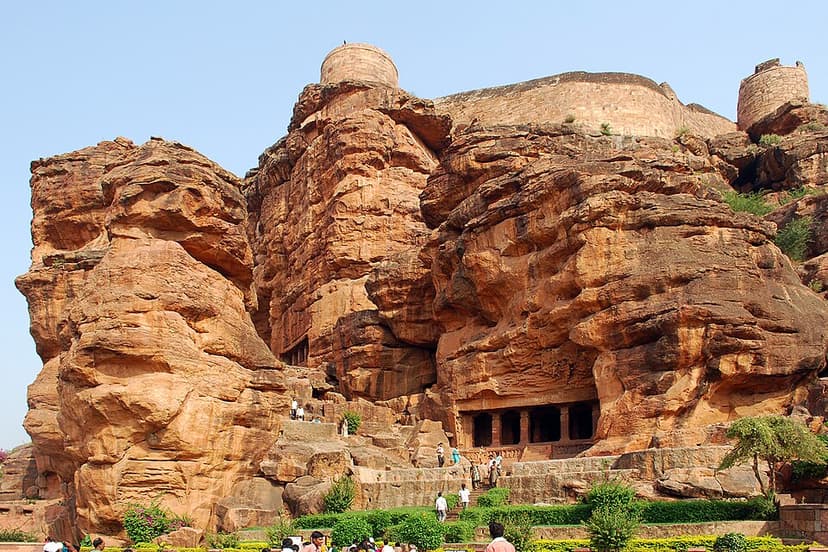
Badami, formerly known as Vātāpi, served as the regal capital of the Badami Chalukyas from 540 to 757 CE. This town is renowned for its rock-cut monuments, including the Badami cave temples, and structural temples like the Bhutanatha group. Situated in a ravine surrounded by red sandstone cliffs and the Agastya lake, Badami is a significant heritage city in India.
Neminath Jain Temple, Girnar
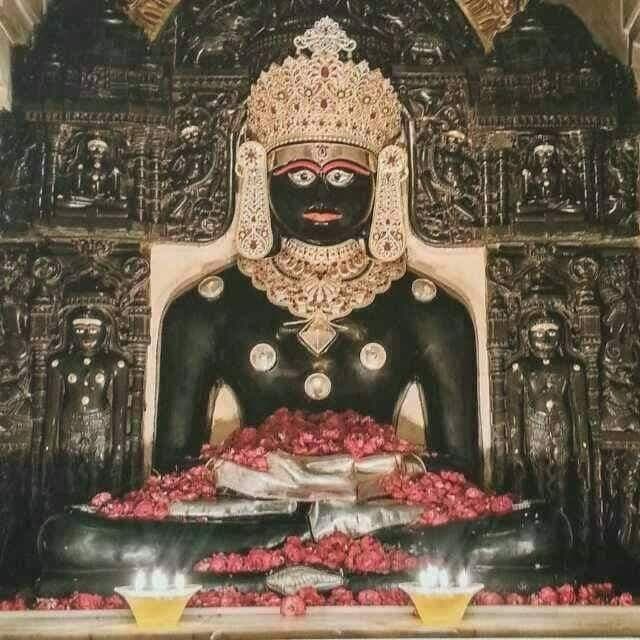
The Neminath Jain Temple, originally known as Karnavihara, is a significant Jain temple dedicated to the 24th Tirthankara, Neminatha, situated on Girnar hill in Gujarat, India. It is recognized as the foremost among the Girnar Jain temples, with its oldest existing structure dating back to the 12th century and built in the Māru-Gurjara architectural style.

Yogmaya Temple
The Yogmaya Temple, also known as Jogmaya Temple, is a Hindu temple in Mehrauli, New Delhi, dedicated to the goddess Yogmaya, an aspect of Maya and the sister of Krishna. It is considered one of the few surviving temples from the pre-Sultanate period in India and has undergone numerous reconstructions.