
Bhimashankar Temple
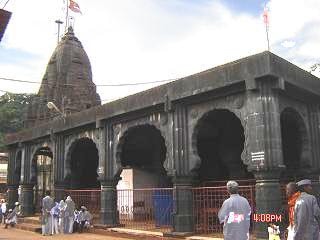
The Bhimashankar Temple, located in Pune district, Maharashtra, is a significant Hindu pilgrimage site dedicated to Lord Shiva. It is revered as the abode of one of the 12 Jyotirlingas, with its Shiva lingam being one of the three Jyotirlingas found in Maharashtra. The temple complex, dating back to the 13th century and constructed in black stone, features a central hall and dome enhanced in the 18th century.
Key Facts
- ›It is one of the 12 Jyotirlinga shrines dedicated to Shiva.
- ›The temple is carved from black stone and dates back to the 13th century.
- ›The sabhamandap and shikhara were renovated in the 18th century by Nana Phadnavis.
- ›The Bhima River originates from the village of Bhimashankar.
- ›The temple is built in the Nagara architectural style.
- ›A large antique Portuguese bell, donated by Chimaji Appa in 1739, is located in front of the temple.
Shiva
Jyotirlinga Shrine, Pilgrimage Center, Origin of Bhima River
Maratha Empire
Black Stone
Nana Phadnavis, Shivaji Maharaj, Chimaji Appa
- Carvings of Deities and Human Figures On Pillars and Door Frames
- Rock Carvings of God Bhimashankar, Bhootings and Amba-Ambika On Nearby Hills
Bhima River
About Bhimashankar Temple
The Bhimashankar Temple is a significant Hindu temple dedicated to Lord Shiva, situated in the village of Bhimashankar in the Pune district of Maharashtra, India. It is recognized as one of the twelve Jyotirlinga shrines, which are considered the most sacred abodes of Lord Shiva, and its Shiva lingam is one of the three Jyotirlingas found within Maharashtra. The temple is a vital pilgrimage center, drawing devotees from across the region and beyond.
History and Construction
The shrine and the Bhimarathi river are mentioned in historical writings dating back to the 13th century. The current structure of the temple, while appearing relatively new, is built upon foundations that suggest an older origin. The temple is predominantly constructed from black stone. The central hall (sabhamandap) and the dome (shikhara) underwent significant improvements in the 18th century, attributed to Nana Phadnavis. King Shivaji Maharaj also played a role in supporting the temple, endowing it to facilitate religious ceremonies. Additionally, Chimaji Appa, brother of Bajirao I, donated a large antique Portuguese bell to the temple in 1739, which was brought from Vasai fort after defeating the Portuguese.
Architecture and Legend
The Bhimashankar Temple is built in the Nagara architectural style, which is characteristic of northern India, and also exhibits similarities to the Hemadpanthi style common in the Deccan. The main shrine is believed to be built over a Swayambhu Shiva Linga. The garbhagriha (sanctum sanctorum) and antarala are constructed using indigenous stone in the Indo-Aryan architectural style. The pillars and door frames are adorned with intricate carvings of deities and human figures. The temple is associated with a legend where Lord Shiva assumed the form of "Bhīmā Shankara" to annihilate the demon Tripura. The sweat from Shiva's exertion after this battle is said to have formed the Bhimarathi river.
Vicinity and Associated Sites
The temple is located on a mountain, approximately 110 kilometers from Pune, within the Bhimashankar forest range. The vicinity is known for its rare plant and animal species. In addition to the main shrine, devotees can visit other nearby temples and shrines, including those dedicated to Siva Ganams, Shaakini, Daakini, and Kamalaja mata. A sacred bath in Mokshakund Tirtha, located behind the temple, is a customary practice before visiting the main deity. Other sacred ponds like Jnyankund and Sarvatirth are also nearby. The Bhima River originates from Kusharanya tirth, located to the south of the temple. A minor shrine for Lord Shani is also situated within the temple grounds, along with a statue of Nandi.
Source: Wikipedia ↗
Frequently Asked Questions
What is the significance of the Bhimashankar Temple?
The Bhimashankar Temple is highly significant as it houses one of the 12 Jyotirlingas, which are considered the most sacred abodes of Lord Shiva. Its Shiva lingam is one of the three Jyotirlingas located in Maharashtra, making it a key pilgrimage destination.
When was the Bhimashankar Temple built?
While writings mentioning the Bhimashankaram shrine date back to the 13th century, the current construction of the temple appears to be more recent. The original temple is believed to have been built on a Swayambhu Shiva Linga, with significant renovations to the central hall and dome occurring in the 18th century.
What is the architectural style of the Bhimashankar Temple?
The temple is built in the Nagara style, a common architectural style found in northern India. The construction also incorporates elements of the Hemadpanthi style, prevalent in the Deccan region, and the garbhagriha and antarala are built using indigenous stone in the Indo-Aryan architectural style.
Is the Bhima River connected to the Bhimashankar Temple?
Yes, the Bhima River originates from the Bhimashankar village. Legend states that the sweat from Lord Shiva's body after his battle against the demon Tripura formed the Bhimarathi river, which flows from this area.
What historical figures are associated with the Bhimashankar Temple?
The temple's central hall and dome were improved in the 18th century by Nana Phadnavis. King Shivaji Maharaj also endowed the temple to facilitate religious ceremonies, and Chimaji Appa donated a large antique Portuguese bell in 1739.
Related Temples (Hindu)

Mahamaya Temple
The Mahamaya Temple, located in Ratanpur, Chhattisgarh, India, is a significant Hindu temple dedicated to Goddess Durga and Mahalaksmi. It is recognized as one of the 52 Shakti Peethas and holds historical importance, with parts of the complex dating back to the 12th-13th centuries and a later structure built in 1492 CE.

Baijnath Temple
The Baijnath Temple, located in Kangra District, Himachal Pradesh, India, is a significant Hindu temple dedicated to Shiva as Vaidyanath, the lord of physicians. Built in 1204 AD by two local merchants, Ahuka and Manyuka, it is constructed in the Nagara architectural style and is protected by the Archaeological Survey of India. The temple is notable for its historical inscriptions, intricate sculptures, and a unique tradition of not celebrating Dussehra due to a legend involving King Ravana.
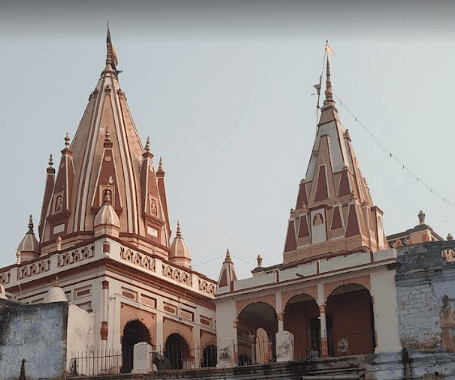
Budhanath Temple, Bhagalpur
The Budhanath Temple, also known as Vriddheshwarnath or Baba Bal Vridheshwarnath Temple, is a significant Hindu temple dedicated to Lord Shiva, located on the banks of the Uttarvahini Ganga in Bhagalpur, India. It is believed to be one of the 108 Nath temples mentioned in the Shiva Purana and is celebrated for its spiritual ambiance and as a focal point for regional cultural identity.