
Bhairabi Temple
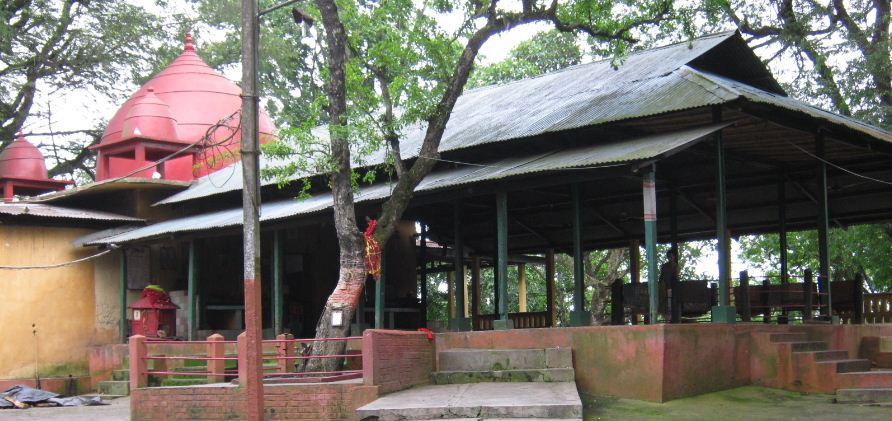
The Bhairabi Temple, also known as Bhairabi Devalaya, is situated on the outskirts of Tezpur in Assam, India. Dedicated to Goddess Bhairavi, one of the Mahavidyas of Maa Durga Devi, the temple is a significant sidhapitha where devotees believe their wishes are fulfilled. Despite its historical importance and ongoing management by the government and local families, recent damage from an earthquake has led to a halt in daily prayers and religious ceremonies.
Key Facts
- ›The temple is dedicated to Goddess Bhairavi, an aspect of Maa Durga.
- ›Stone carvings within the structure suggest origins dating back to the 9th century.
- ›The temple is located near the Bharali river and offers a view of the Kolia Bhomora Setu across the Brahmaputra River.
- ›Legend states that Usha, daughter of King Banasura, worshipped the Goddess here.
- ›The temple has experienced damage due to an earthquake, causing a temporary cessation of worship.
- ›Sacrificial offerings of goats, ducks, and pigeons are still part of the temple's practices.
Goddess Bhairavi, Maa Durga
- Ancient Origins With 9th-Century Stone Carvings
- Legendary Connection To Usha, Daughter of Banasura
- Considered A Sidhapitha
Durga Puja
Stone
Stone Carvings
Bharali River, Brahmaputra River
About Bhairabi Temple
The Bhairabi Temple is a significant Hindu place of worship situated on the outskirts of Tezpur in the Sonitpur District of Assam, India. Locally known as Bhairabi Devalaya, it is dedicated to Goddess Bhairavi, who is revered as one of the Mahavidyas of Maa Durga Devi. The temple is considered a sidhapitha, a place where devotees believe their wishes are fulfilled through the blessings of Maa Bhairabi.
History and Legend
The temple's historical roots are suggested by stone carvings found within its structure, which are believed to date back to the 9th century. Folklore associated with the site recounts that Usha, the daughter of the mighty Asura King Banasura, would regularly visit the temple to worship the Goddess. Nearby, the Bamuni Hills feature ruins believed to be from a palace that stood many centuries ago.
Geography and Architecture
The Bhairabi Temple is strategically located close to the Bharali river, offering a scenic view across the Brahmaputra River towards the Kolia Bhomora Setu. While the specific architectural style is not detailed, the presence of intricate stone carvings points to skilled craftsmanship from its early period. The entrance to the temple is marked by a long staircase leading up from the approach road.
Current Status and Management
The temple is managed by the government through the office of the District Deputy Commissioner and is also associated with the Borthakur family of Tezpur. Despite its ongoing administration and the continuation of practices like sacrificial offerings of goats, ducks, and pigeons, the temple has faced challenges. An earthquake approximately 400 years after its construction caused damage, including the temple tilting and a nearby building suffering structural issues. Following this damage, religious ceremonies and daily prayers have been temporarily halted.
Worship and Offerings
During active periods of worship, the temple provides facilities for purchasing ghee lamps, sweets, and fruits for offerings. The Durga Puja celebration is noted to be a grand event held at this temple. The site is described as a place of scenic beauty and a spiritual pathway to The Divine.
Source: Wikipedia ↗
Frequently Asked Questions
Where is the Bhairabi Temple located?
The Bhairabi Temple is located on the outskirts of Tezpur, within the Sonitpur District of Assam, India. It is situated close to the Bharali river.
Who is worshipped at the Bhairabi Temple?
The primary deity worshipped at the Bhairabi Temple is Goddess Bhairavi, who is recognized as one of the Mahavidyas of Maa Durga Devi. The temple is considered a sidhapitha where devotees seek blessings from Maa Bhairabi.
What is the historical significance of the Bhairabi Temple?
The Bhairabi Temple is believed to have stone carvings dating back to the 9th century, indicating its ancient origins. Legend also associates the temple with Usha, the daughter of the Asura King Banasura, who is said to have worshipped the Goddess there regularly.
Has the Bhairabi Temple experienced any damage?
Yes, the Bhairabi Temple, which is approximately 400 years old, has tilted slightly due to an earthquake. A nearby building also sustained damage, and the earthquake caused cracks in pillars and damage to the roof, leading to a halt in daily prayers and ceremonies.
What is the management structure of the Bhairabi Temple?
The Bhairabi Temple is managed by the government through the office of the District Deputy Commissioner. It also belongs to the Borthakur family of Tezpur.
Are there any special festivals celebrated at the Bhairabi Temple?
The Durga Puja celebration is performed in a very grand way at the Bhairabi Temple. Sacrificial offerings of goats, ducks, and pigeons are also regularly conducted.
Related Temples (Hindu)

Tanot Mata Temple
The Tanot Mata Temple is a significant Hindu shrine located in the Jaisalmer district of Rajasthan, India, near the Pakistan border. Revered as a form of Goddess Hinglaj Mata, the temple is famously associated with the Indian victories in the Indo-Pakistani Wars of 1965 and 1971, with local folklore attributing the successful outcomes to divine intervention. The Border Security Force of India now manages the temple complex, which also includes a victory tower and a war museum.

Kumararama
The Kumararama Temple, also known as Bhimarama or Chalukya Kumararama Bhimeswara Temple, is a significant Hindu temple dedicated to Lord Shiva, located in Samalkota, Andhra Pradesh. It is one of the five Pancharama Kshetras and is renowned for its unique limestone Shiva Lingam, which is 16 feet tall and pierces through the roof to the second floor.
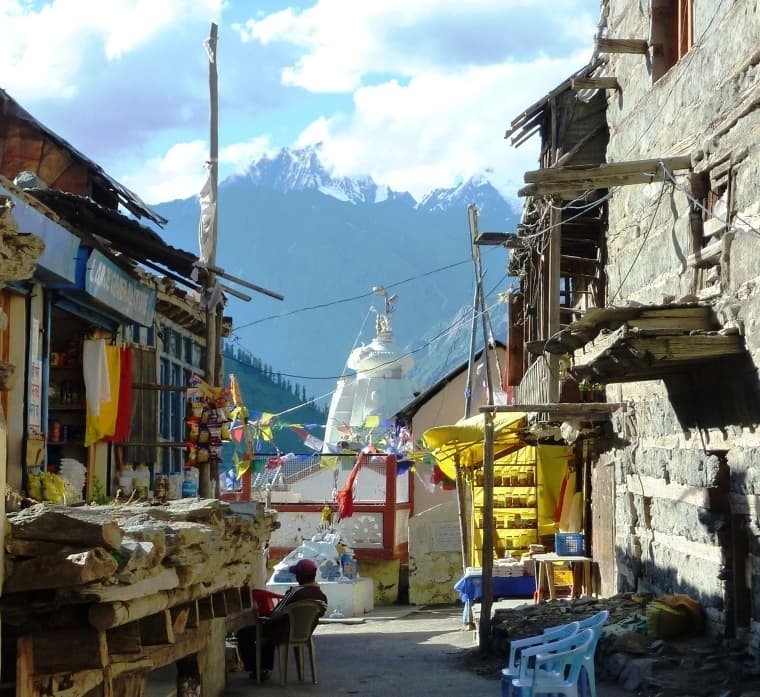
Triloknath Temple
The Triloknath Temple, located in Himachal Pradesh, India, is a significant religious site revered by both Tibetan Buddhists and Hindus. Originally believed to be a Buddhist vihara, it now houses a marble statue of Avalokiteshvara, worshipped as Shiva by Hindus and as Avalokiteshvara by Buddhists. The temple's architecture and history suggest a blend of influences, with its columns dating to the 9th century CE.