
Bahulara Ancient Temple
The Bahulara Ancient Temple, also known as the Siddheshwara Shiva temple, is a significant brick-built temple located in West Bengal, India. It is renowned for its unique Nagara-style sikhara and exquisite ornamentation, believed to have originated as a Jain or Buddhist shrine before being reconsecrated for Shaivite worship. The temple stands as a notable example of medieval Bengali temple architecture.
Key Facts
- ›The temple features a Nagara-style sikhara, a curvilinear spire.
- ›It is constructed using cut-brick and lime-stucco ornamentation.
- ›The temple was possibly built between the 8th and 11th centuries CE.
- ›Archaeologists speculate it began as a Jain or Buddhist shrine before becoming a Shaivite monument.
- ›The temple is dedicated to Siddhesvara Mahadeva and the sanctum contains figurines of various deities.
- ›It is situated on the banks of the Dwarakeswar River.

Siddhesvara Mahadeva, Shiva
- Unique Architectural Style
- Example of Medieval Bengali Temple Architecture
- Evidence of Religious Syncretism
- Notable For Its Cut-Brick and Lime-Stucco Ornamentation
Malla Dynasty
Bahulara Shiva Gajan
Brick, Lime-Stucco
Malla Monarchs of Bishnupur
Figurines of Ganesha, Figurines of Jain Tirthankar Parshvanatha, Figurines of Mahisasurmardini, Stucco Work On Carved Brick
Dwarakeswar River
About Bahulara Ancient Temple
The Bahulara Ancient Temple, also known as the Siddheshwara Shiva temple, is a historically and architecturally significant Hindu temple located in Bahulara village, Bankura district, West Bengal, India. It is celebrated for its distinctive Nagara-style sikhara and its walls adorned with intricate cut-brick and lime-stucco ornamentation.
Historical Context and Construction
Archaeological and historical assessments suggest that the temple may have been constructed between the 8th and 11th centuries CE, possibly during the Pala era. Initial speculation posits that it may have begun as a Jain or Buddhist shrine, evidenced by surrounding habitational and ritualistic mounds believed to be ruins of Buddhist stupas. Later, it was reconsecrated as a Shaivite monument by the Malla monarchs of Bishnupur, highlighting a significant aspect of religious syncretism in the region.
Architectural Features
The temple is a prime example of a brick-built rekha deul temple, a predominant architectural style in western Bengal during the pre-Muslim period. Its curvilinear spire, or sikhara, is a defining feature, though the topmost portion, the amalaka, has been damaged over time. Despite the ravages of time and some loss of original ornamentation, the temple remains a remarkably preserved specimen of medieval brick temple construction, enhanced by fine stucco work on carved brick.
Religious Significance and Worship
The temple is dedicated to Siddhesvara Mahadeva, a form of Lord Shiva. The sanctum sanctorum, or garbhagriha, contains not only the central Shiva lingam but also figurines of Ganesha, the Jain tirthankar Parshvanatha, and Mahisasurmardini. This coexistence of deities from different traditions underscores its layered religious history. The temple is an active place of worship and a site for the annual Bahulara Shiva Gajan festival, which draws hundreds of devotees over three days in the month of Chaitra.
Source: Wikipedia ↗
Frequently Asked Questions
Where is the Bahulara Ancient Temple located?
The Bahulara Ancient Temple is situated in Bahulara village, within the Bankura district of the Indian state of West Bengal. It is located in the Onda II village panchayat and the Onda CD block, approximately 5 km from Ondagram railway station and 25 km from Bishnupur.
What is the architectural style of the Bahulara Ancient Temple?
The temple is well-known for its unique architectural style, featuring a sikhara (spire) in the Nagara style. It is considered a fine specimen of a brick-built rekha deul temple of the medieval period in Bengal, characterized by curvilinear spires.
What is the historical significance of the Bahulara Ancient Temple?
The temple is significant as it is believed to have originated as a Jain or Buddhist shrine, possibly built during the Pala era, before being reconsecrated as a Shaivite monument by the Malla monarchs of Bishnupur. It is considered one of the oldest of its type with a Nagara-style sikhara and showcases remarkable stucco work on carved brick.
What deities are worshipped at the Bahulara Ancient Temple?
The temple is primarily dedicated to Siddhesvara Mahadeva. The sanctum sanctorum also houses figurines of Ganesha, the Jain tirthankar Parshvanatha, and Mahisasurmardini, indicating its history of housing multiple religious influences.
What materials were used in the construction of the Bahulara Ancient Temple?
The Bahulara Ancient Temple is primarily constructed from brick. Its walls are adorned with exquisite cut-brick and lime-stucco ornamentation, showcasing fine stucco work on carved brick.
Are there any notable festivals celebrated at the Bahulara Ancient Temple?
Yes, the Bahulara Shiva Gajan festival takes place at the temple. This festival spans three days in the month of Chaitra and attracts hundreds of devotees.
Related Temples (Hindu)
Khajuraho Group of Monuments
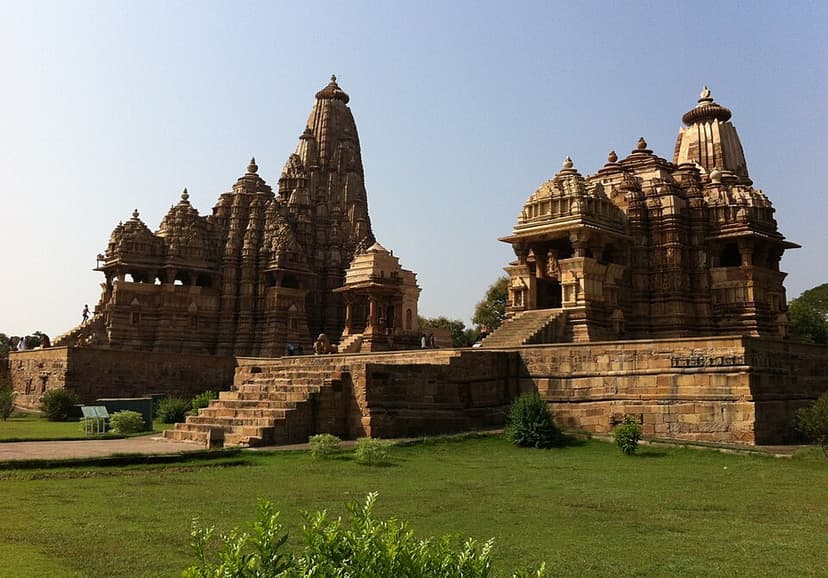
The Khajuraho Group of Monuments is a collection of Hindu and Jain temples located in Madhya Pradesh, India, renowned for their Nagara-style architecture and intricate sculptures, including notable erotic carvings. Primarily constructed by the Chandela dynasty between the 9th and 11th centuries, these temples showcase a blend of religious acceptance and artistic expression, reflecting aspects of medieval Indian life and Hindu philosophy.
Budhanath Temple, Bhagalpur
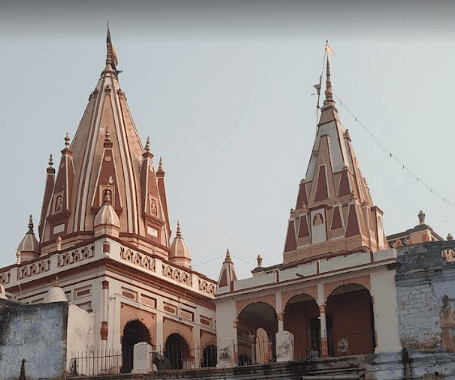
The Budhanath Temple, also known as Vriddheshwarnath or Baba Bal Vridheshwarnath Temple, is a significant Hindu temple dedicated to Lord Shiva, located on the banks of the Uttarvahini Ganga in Bhagalpur, India. It is believed to be one of the 108 Nath temples mentioned in the Shiva Purana and is celebrated for its spiritual ambiance and as a focal point for regional cultural identity.

Mundeshwari Temple
The Mundeshwari Devi Temple, located on the Mundeshwari Hills in Bihar, India, is an ancient Hindu temple dedicated to Goddess Durga and Lord Shiva. It is recognized by the Archaeological Survey of India as a protected monument and is claimed by some scholars to be the oldest functional Hindu temple in the world, with evidence suggesting continuous worship since at least the 6th-7th century CE.