
Bahuchara Mata
Bahuchara Mata is a Hindu goddess revered for chastity and fertility, particularly in her maiden aspect. She is considered the patroness of the hijra community and is believed to grant favors and cure diseases. Her primary temple is located in Becharaji town, Gujarat, India.
Key Facts
- ›Bahuchara Mata is a Hindu goddess originating from the Charan tradition of Gujarat and Rajasthan.
- ›She is known as the patron deity of the hijra community.
- ›Her main temple is situated in Becharaji town, Mehsana district, Gujarat.
- ›Legends associate her with a curse placed upon a bandit, leading to the establishment of her shrine.
- ›The temple has historically served as a site for rituals performed by various groups, including Solanki Rajputs, Kamalias, and hijras.
- ›Approximately 1.5 million pilgrims visit the temple annually.
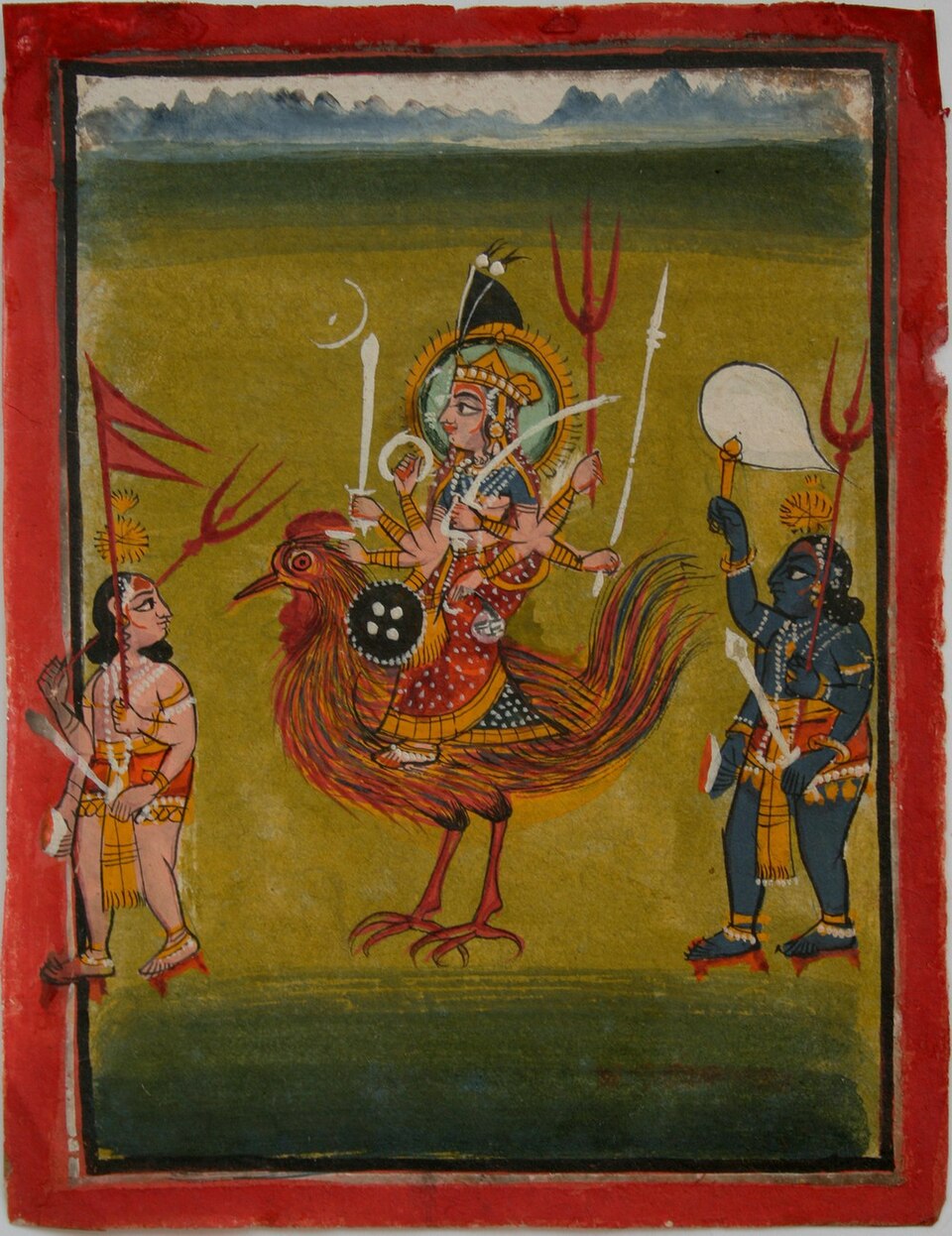
Bahuchara Mata
- Patroness of the Hijra Community
- Deity of Chastity and Fertility
- Minor Shakta Pitha
- Important Pilgrimage Site With 1.5 Million Annual Visitors
Solanki, Gaikwad
Stone, Brick
Sankhal Raj, Manajirao Gaekwad, Saint Kapildev, Kalari King Tejpal, Fadnavis
Stone Carvings, Wall Paintings
About Bahuchara Mata
Bahuchara Mata is a revered Hindu goddess primarily known for her aspects of chastity and fertility, particularly in her maiden form. She is also recognized for her ability to grant boons, heal illnesses, and is notably considered the patroness of the hijra community. The goddess is of Charan origin, a tradition prominent in Gujarat and Rajasthan.
History and Legends
Bahuchara Mata is believed to have been born in the Detha clan around 1309 CE. Legends recount a dramatic event where, during a caravan attack by a bandit named Bapiya, Bahuchara and her sisters committed trāgā, a ritual act of self-immolation, cursing Bapiya to become a eunuch. In response, Bapiya was instructed by the goddess to build a shrine to her at the site, which led to the establishment of her worship.
The primary temple is located in Becharaji town, Mehsana district, Gujarat. Historical accounts suggest the original shrine was built by King Sankhal Raj in 1152 CE, with the first surviving mention dating to 1280 CE. Significant additions were made in the eighteenth century, including a temple built by Manajirao Gaekwad after he was reputedly cured by the goddess.
Temple Rituals and Significance
The rituals at the Bahucharaji Temple have historically involved various groups, including Solanki Rajputs, a Muslim community known as the Kamalias, and the hijras (Paviyas). While traditionally Rajputs officiated, a change occurred in 1859 when a southern Brahmin was appointed by Sayajirao Gaekwad of Baroda. The primary followers of Bahuchara Mata traditionally include Rajputs, Kolis, Charanas, Bhils, and Hijras. The temple is considered a minor Shakta pitha and attracts approximately 1.5 million pilgrims annually.
The goddess is depicted carrying a sword, a scripture, an abhayamudra (gesture of blessing), and a trident, often seated on a rooster. These symbols represent a balance of power, knowledge, creation, and divine grace. The temple complex itself includes an 'Adyasthan' around a varakhadi tree believed to be the goddess's first appearance site, a 'madhya sthan' with an incised plaque, and the main temple housing the Bala Yantra.
Source: Wikipedia ↗
Frequently Asked Questions
Who is Bahuchara Mata?
Bahuchara Mata is a Hindu goddess revered in her maiden aspect as a deity of chastity and fertility. She is also known for granting favors, healing diseases, and is considered the patroness of the hijra community.
Where is the main temple of Bahuchara Mata located?
The primary temple dedicated to Bahuchara Mata is located in Becharaji town, in the Mehsana district of Gujarat, India. It is situated about 82 km from Ahmedabad and 35 km west of Mahesana.
What is the origin story of Bahuchara Mata?
According to legend, Bahuchara Mata was born into the Detha clan. When her caravan was attacked, she and her sisters committed trāgā, a ritual suicide, cursing the bandit Bapiya to become a eunuch. In return, Bapiya was instructed to build a shrine to her, establishing her worship at the site.
What is the significance of Bahuchara Mata for the hijra community?
Bahuchara Mata is considered the patron goddess of the hijra community. The narrative of Bahuchara Mata is said to explain the genesis of their devotion, with becoming a hijra sometimes seen as a consequence of the Mother-Goddess's curse. They play an important role in the temple and are present within its grounds.
Can you describe the Bahucharaji Temple complex?
The temple complex in Becharaji features three shrines. The oldest part, the 'Adyasthan', is a small temple around a varakhadi tree where the goddess is believed to have first appeared. A 'madhya sthan' houses an incised plaque, and the main temple today, built in 1779 CE, contains the Bala Yantra.
What architectural style is the Bahucharaji Temple?
The article mentions that no major changes were made to the temple architecture until the eighteenth century. The complex is described as beautifully decorated with stone carvings and wall paintings, but a specific predominant architectural style like Dravidian or Nagara is not detailed.
Related Temples (Hindu)
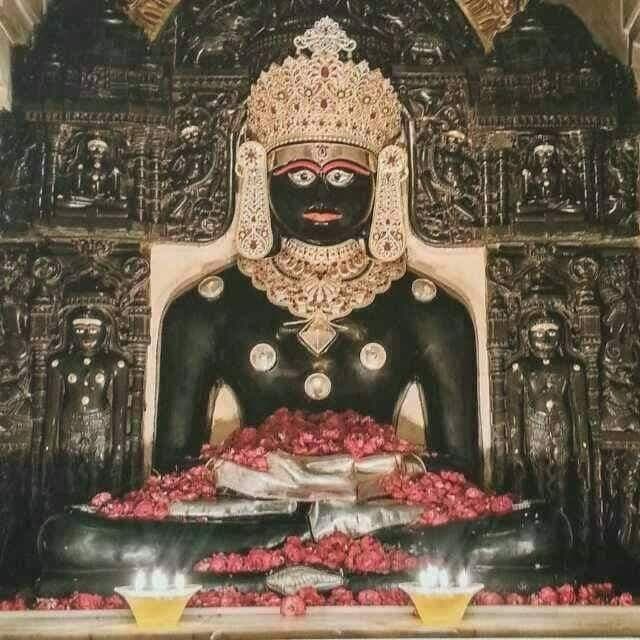
Neminath Jain Temple, Girnar
The Neminath Jain Temple, originally known as Karnavihara, is a significant Jain temple dedicated to the 24th Tirthankara, Neminatha, situated on Girnar hill in Gujarat, India. It is recognized as the foremost among the Girnar Jain temples, with its oldest existing structure dating back to the 12th century and built in the Māru-Gurjara architectural style.

Yogmaya Temple
The Yogmaya Temple, also known as Jogmaya Temple, is a Hindu temple in Mehrauli, New Delhi, dedicated to the goddess Yogmaya, an aspect of Maya and the sister of Krishna. It is considered one of the few surviving temples from the pre-Sultanate period in India and has undergone numerous reconstructions.
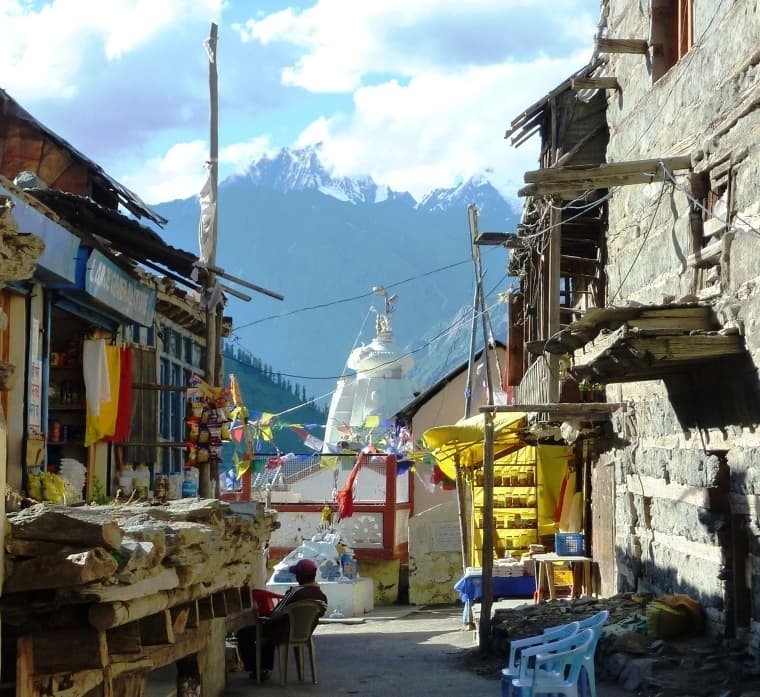
Triloknath Temple
The Triloknath Temple, located in Himachal Pradesh, India, is a significant religious site revered by both Tibetan Buddhists and Hindus. Originally believed to be a Buddhist vihara, it now houses a marble statue of Avalokiteshvara, worshipped as Shiva by Hindus and as Avalokiteshvara by Buddhists. The temple's architecture and history suggest a blend of influences, with its columns dating to the 9th century CE.