
Arulmigu Prasanna Venkatesa Perumal Temple
The Arulmigu Prasanna Venkatesa Perumal Temple, located in Thirupparkadal, Tamil Nadu, is dedicated to Venkateshvara, a form of Lord Vishnu. It is revered as one of the 108 Abhimana Kshethrams in the Vaishnavate tradition and is known for its unique representation of Vishnu standing on a Shiva lingam, symbolizing the oneness of Hari and Hara.
Key Facts
- ›Dedicated to Venkateshvara, a form of Vishnu.
- ›Located in Thirupparkadal village, Ranipet district, Tamil Nadu, India.
- ›Considered one of the 108 Abhimana Kshethrams.
- ›Features a unique idol of the presiding deity standing on a Shiva lingam in abhayamudra.
- ›Renovated by the Vijayanagara Emperor Krishnadevarayar, whose idol is also housed within the sanctum.
- ›Holds religious significance for demonstrating the unity of Vishnu (Hari) and Shiva (Hara).
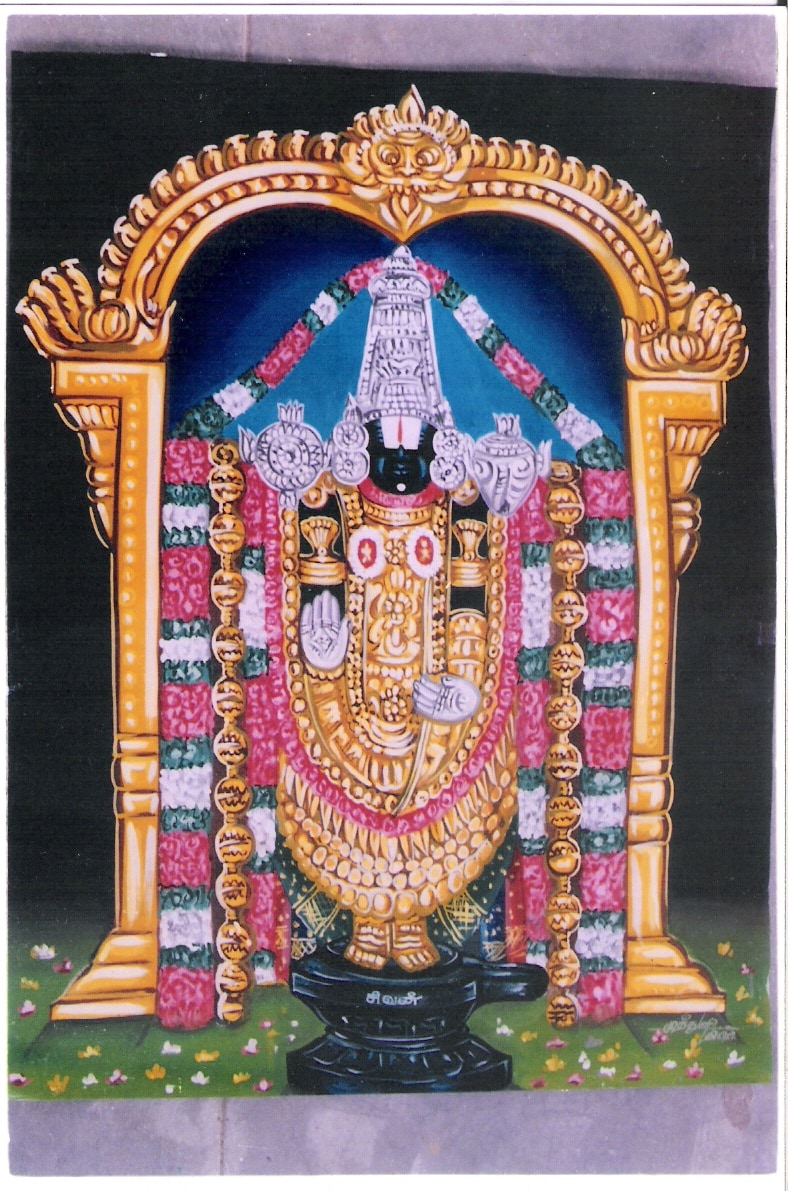
Venkateshvara, Vishnu
- One of the 108 Abhimana Kshethrams of Vaishnavate Tradition
- Symbolizes the Oneness of Vishnu and Shiva
Vijayanagara Empire
Vaikuntha Ekadashi
Krishnadevarayar
- Idol of Krishnadevarayar
- Idol of Venkatesa Perumal Standing On A Shiva Lingam
Sarasvati River
About Arulmigu Prasanna Venkatesa Perumal Temple
The Arulmigu Prasanna Venkatesa Perumal Temple is a significant Hindu temple located in the village of Thirupparkadal, within the Ranipet district of Tamil Nadu, India. This temple is dedicated to Venkateshvara, a form of the preserver deity Vishnu. It holds a revered place in the Vaishnavate tradition, being recognized as one of the 108 Abhimana Kshethrams, which are sacred sites considered dear to Vishnu.
Religious Significance and Iconography
The temple is particularly noted for its unique iconography and the theological message it conveys. According to local tradition, the presiding deity, Venkatesa Perumal, is depicted in the inner sanctum standing on an Avudaiyar, which symbolizes a Shiva lingam. This striking representation, with the deity in an abhayamudra (gesture of fearlessness), is traditionally interpreted as a visual testament to the oneness of the deities Vishnu (Hari) and Shiva (Hara). The temple attracts numerous devotees annually, especially on the occasion of Vaikuntha Ekadashi.
Historical Patronage and Architecture
Historically, the temple has received patronage from notable figures. The Vijayanagara emperor Krishnadevarayar is credited with renovating the temple, and an idol depicting him in a praying posture is housed within the sanctum. The temple complex includes a rajagopuram, though it is currently in a dilapidated state, along with a kodimaram (flagstaff), a tank named Pundareega Pushkarani, and various mandapams (halls). Beyond the main deity, the temple also features shrines dedicated to several other important deities and Alvar saints, including Alamelumangai Thayar, Anjaneyar, Garudalvar, Desikar, Rukmini, Satyabhama, Thirukkachi Nambi, Thumbikkai Alvar, Nammalvar, Madurakavi Alvar, Thirumangai Alvar, and Bhoothath Alvar.
Source: Wikipedia ↗
Frequently Asked Questions
Where is the Arulmigu Prasanna Venkatesa Perumal Temple located?
The temple is situated in the Indian village of Thirupparkadal, which was known as Karapuram in ancient times. This village is located in the Ranipet district of Tamil Nadu.
What deity is worshipped at the Arulmigu Prasanna Venkatesa Perumal Temple?
The temple is dedicated to Venkateshvara, who is a form of the Hindu deity Vishnu. He is also referred to as Perumal in this temple.
What is the religious significance of this temple?
It is considered one of the 108 Abhimana Kshethrams of the Vaishnavate tradition. Local tradition holds that the temple demonstrates that Vishnu and Shiva are one and the same, with the presiding deity standing on a Shiva lingam.
What is unique about the idol in the inner sanctum?
The presiding deity, Venkatesa Perumal, is depicted standing on an Avudaiyar, which represents a Shiva lingam. He is shown in an abhayamudra, a gesture of fearlessness and protection.
Who renovated the temple?
The temple was once renovated by the Vijayanagara emperor Krishnadevarayar. An idol of his likeness is present within the sanctum in recognition of his patronage.
Are there any other deities or shrines within the temple complex?
Yes, the temple complex includes shrines for Alamelumangai Thayar, Anjaneyar, Garudalvar, Desikar, Rukmini, Satyabhama, and Thirukkachi Nambi. There are also shrines for Thumbikkai Alvar, Nammalvar, Madurakavi Alvar, Thirumangai Alvar, and Bhoothath Alvar.
Related Temples (Hindu)

Taraknath Temple
The Taraknath Temple, located in Tarakeswar, West Bengal, India, is a significant Hindu pilgrimage site dedicated to Lord Shiva, worshiped here as Tarakanatha. Constructed in 1729, it features a distinct Bengal architectural style with an 'atchala' structure and an adjacent 'natmandir'. The temple is renowned for its belief that a dip in the nearby Dudhpukur tank fulfills prayers and is considered one of the 64 Jyotirlingas.

Tanot Mata Temple
The Tanot Mata Temple is a significant Hindu shrine located in the Jaisalmer district of Rajasthan, India, near the Pakistan border. Revered as a form of Goddess Hinglaj Mata, the temple is famously associated with the Indian victories in the Indo-Pakistani Wars of 1965 and 1971, with local folklore attributing the successful outcomes to divine intervention. The Border Security Force of India now manages the temple complex, which also includes a victory tower and a war museum.
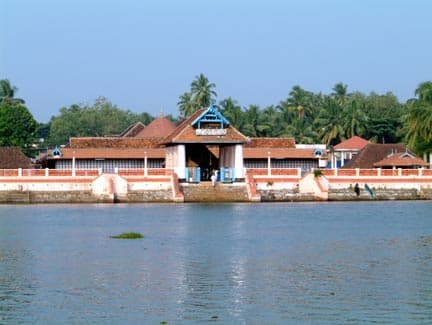
Thriprayar Temple
The Thriprayar Temple, also known as the Shree Ramaswami Temple, is a significant Hindu temple located in Triprayar, Thrissur district, Kerala, India. It is dedicated to Lord Rama, the seventh incarnation of Vishnu, who is depicted with four arms holding a conch, discus, bow, and garland. The temple's origin story involves the idol being worshipped by Krishna in Dwarka, later immersed in the sea, and eventually found by fishermen.