
Ananta Shayana
Ananta Shayana is a colossal open-air rock relief of the Hindu god Vishnu, carved in the early 9th century in Saranga village, Odisha, India. It depicts Vishnu in a reclining posture on the serpent Ananta and is notable for being the largest exposed rock-cut structure of its kind in India. Worship is still offered to this ancient and significant sculpture.
Key Facts
- ›Carved in the early 9th century during the Bhauma-Kara rule.
- ›Depicts Vishnu in a reclining posture (Anantashayana) on the serpent Ananta.
- ›Measures 15.4 meters (51 ft) in length, making it India's largest horizontal exposed rock-cut relief.
- ›Carved from natural sandstone rock formation.
- ›Located on the left bank of the Brahmani River in Saranga village, Dhenkanal district, Odisha, India.
- ›Maintained and protected by the Archaeological Survey of India.

Vishnu
- Largest Exposed Rock-Cut Structure In Horizontal Position In India
- Significant Example of Early 9th-Century Rock-Cut Sculpture
- Important Religious Site For Vaishnavism
Bhauma-Kara Dynasty
Sandstone
Nandodhbahav Feudatory Rulers, Bhauma-Kara Kings
- Reclining Vishnu On Shesha
- Brahma Seated On A Lotus Sprouting From Vishnu's Navel
Brahmani River
About Ananta Shayana
Ananta Shayana, also known by variations such as Anantashayi Vishnu and Garbhodaxyi Vishnu, is a monumental open-air rock relief located in Saranga village, Dhenkanal district, Odisha, India. Carved during the early 9th century, this colossal sculpture depicts the Hindu god Vishnu in his reclining posture of repose upon the cosmic serpent Ananta. It is celebrated as the largest exposed rock-cut structure in a horizontal position throughout India, measuring an impressive 15.4 meters (51 feet) in length.
Historical Context and Creation
The relief was created during the reign of the Bhauma-Kara dynasty, specifically in the later part of their rule. Historical accounts suggest that the Nandodhbahav feudatory rulers, who were followers of Vaishnavism, played a key role in commissioning this and another large rock-cut image of Vishnu in the Brahmani River valley. The Bhaumakara kings themselves documented their affiliation with Vaishnavism during important religious observances. The artistic expression of vigour and vitality in the carving is believed to have been inspired by the rock-cut temples of Ellora, Elephanta, and Mahabalipuram.
Description and Significance
Carved from natural sandstone, Ananta Shayana is situated on the left bank of the Brahmani River. The sculpture portrays Vishnu with four arms, holding sacred objects such as a Chakra and Shankha, while the hoods of the serpent Shesha shelter his head. A lotus emerges from Vishnu's navel, bearing the creator god Brahma in meditation. The artist conceptualized the riverbank to symbolize the Kshirasagara, the cosmic ocean from which Brahma initiated creation. Despite being carved from sandstone and located near the riverbed, which poses a threat of erosion, the shrine is actively worshipped by local communities. The Archaeological Survey of India undertakes regular renovations to preserve this significant historical and religious monument.
Source: Wikipedia ↗
Frequently Asked Questions
When was Ananta Shayana carved?
The Ananta Shayana relief was carved during the first quarter of the 9th century CE, a period when the Bhauma-Kara dynasty ruled central Orissa. This dating is based on its artistic style and crown.
What is depicted in the Ananta Shayana relief?
The relief portrays the Hindu god Vishnu in a reclining position, known as Anantashayana, signifying his repose on the cosmic serpent Ananta. He is shown with four arms holding attributes like a Chakra and Shankha, with the serpent Shesha's hoods protecting his head.
What are the dimensions of the Ananta Shayana relief?
The Vishnu image occupies an area of 15.4 meters (51 feet) in length and 7 meters (23 feet) in width. This makes it the largest exposed rock-cut structure in a horizontal position in India.
What materials were used to create Ananta Shayana?
The Ananta Shayana relief is carved out of a natural rock formation composed of sandstone. This material choice makes it susceptible to erosion from floods.
Who was responsible for the construction of Ananta Shayana?
The carvings were facilitated by the Nandodhbahav feudatory rulers, who were under the Bhaumakara kings and were followers of Vaishnavism. The Bhaumakara kings also asserted their association with Vaishnavism in royal grants related to such sculptures.
Is Ananta Shayana still an active place of worship?
Yes, worship is still offered to the four-armed reclining Vishnu image. Local people regularly venerate the sculpture.
Related Temples (Hindu)

Tanot Mata Temple
The Tanot Mata Temple is a significant Hindu shrine located in the Jaisalmer district of Rajasthan, India, near the Pakistan border. Revered as a form of Goddess Hinglaj Mata, the temple is famously associated with the Indian victories in the Indo-Pakistani Wars of 1965 and 1971, with local folklore attributing the successful outcomes to divine intervention. The Border Security Force of India now manages the temple complex, which also includes a victory tower and a war museum.

Kumararama
The Kumararama Temple, also known as Bhimarama or Chalukya Kumararama Bhimeswara Temple, is a significant Hindu temple dedicated to Lord Shiva, located in Samalkota, Andhra Pradesh. It is one of the five Pancharama Kshetras and is renowned for its unique limestone Shiva Lingam, which is 16 feet tall and pierces through the roof to the second floor.
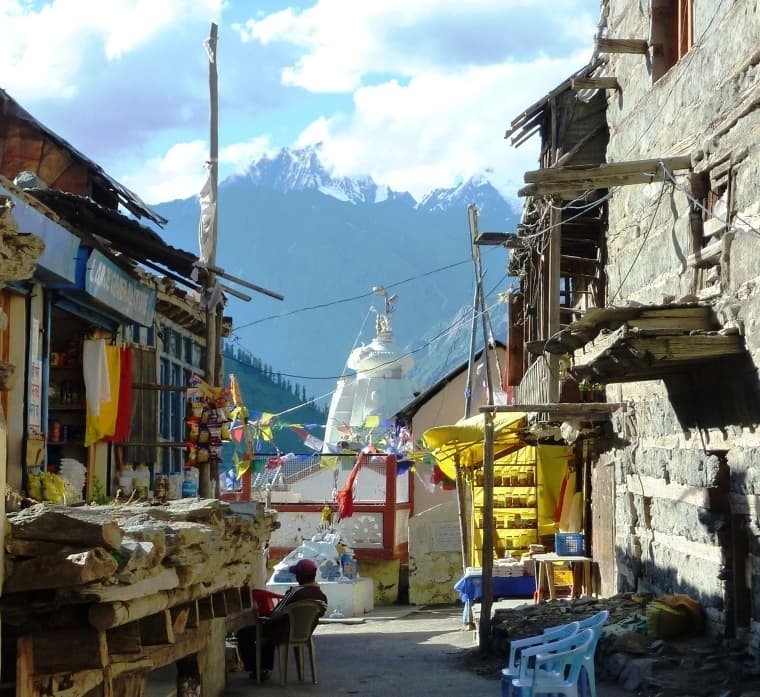
Triloknath Temple
The Triloknath Temple, located in Himachal Pradesh, India, is a significant religious site revered by both Tibetan Buddhists and Hindus. Originally believed to be a Buddhist vihara, it now houses a marble statue of Avalokiteshvara, worshipped as Shiva by Hindus and as Avalokiteshvara by Buddhists. The temple's architecture and history suggest a blend of influences, with its columns dating to the 9th century CE.