
Ahobilam
Ahobilam is a significant Hindu holy site located in Andhra Pradesh, India, renowned for its numerous temples dedicated to Narasimha, the lion-headed avatar of Vishnu. Nestled within the Eastern Ghats, the site features distinct Upper and Lower Ahobilam areas, each housing several shrines that represent different aspects of the deity. The town has a rich history of patronage from various regional dynasties, most notably the Vijayanagara Kingdom.
Key Facts
- ›Ahobilam is a holy town in Andhra Pradesh, India, dedicated to the worship of Lord Narasimha.
- ›The site is divided into Upper Ahobilam, located in a steep gorge with several shrines, and Lower Ahobilam, which hosts the main pilgrimage temple.
- ›It is one of nine important Hindu shrines dedicated to Narasimha.
- ›Historical patronage for the temples came from dynasties including the Kakatiya, Reddi, and significantly, the Vijayanagara Kingdom.
- ›The town is the birthplace of the Ahobila Matha, a monastic institution likely founded in the late 15th or early 16th century.
- ›The earliest literary reference to Ahobilam dates to the 9th-century Tamil work PeriyatirumoḻI.

Narasimha, Pratyangira
- Important Pilgrimage Site For Vaishnavites
- Center For Worship of Narasimha
- Historical Patronage From Major South Indian Kingdoms
- Birthplace of the Ahobila Matha Monastic Institution
Vijayanagara Kingdom, Saluva Dynasty, Tuluva Dynasty, Kakatiya Dynasty, Reddi Dynasty
Saluva Narasimha Deva Raya, Krishnadevaraya
About Ahobilam
Ahobilam is a revered holy town and pilgrimage site located in the Nandyal district of Andhra Pradesh, India, nestled amidst the scenic hills and gorges of the Eastern Ghats. It is a prominent center for the worship of Narasimha, the fierce, lion-headed avatar of Lord Vishnu, along with his consort Pratyangira, an avatar of Lakshmi. The town is distinguished by its numerous shrines dedicated to Narasimha, marking it as one of the nine significant temples devoted to this deity.
History and Patronage
The historical narrative of Ahobilam extends back to at least the 9th century, with literary references found in the Tamil work Periyatirumoḻi by Thirumangai Alvar. Subsequent mentions appear in Sanskrit and Telugu texts between the 12th and 16th centuries. The town's shrines benefited from substantial patronage by regional dynasties, including the Kakatiya and Reddi dynasties during the 13th and 14th centuries. The Vijayanagara Kingdom, particularly under the Saluva dynasty in the 15th century and the Tuluva dynasty in the 16th century, provided significant support, with inscriptions largely dating to the Tuluva period. The famous ruler Krishnadevaraya visited and patronized the site in the 16th century. Ahobilam is also recognized as the birthplace of the Ahobila Matha, a monastic institution believed to have been founded in the late 15th or early 16th century.
Geography and Structure
Ahobilam is geographically situated in the Nallamala Forest. The town is broadly divided into Lower Ahobilam and Upper Ahobilam, separated by approximately 8 kilometers. Lower Ahobilam is the more accessible and populated area, featuring the Prahlādavarada temple, the town's primary pilgrimage destination, which dates primarily to the 16th century. Upper Ahobilam is located in a steeper, forested gorge and is characterized by nine distinct shrines dedicated to Narasimha, each representing a different manifestation of the deity, such as Ahobilanarasimha (the ugra or ferocious aspect) and others like Bhargavanarasimha and Jvalanarasimha.
The Prahlādavarada temple in Lower Ahobilam enshrines the saumya or mild aspect of Narasimha and is the last of the shrines to be built. It also contains the majority of the inscriptions found at Ahobilam. Despite its historical significance, the site faced a raid in 1579 by a commander of the Golconda Sultanate, during which the temple was plundered.
Source: Wikipedia ↗
Frequently Asked Questions
Where is Ahobilam located?
Ahobilam is situated in the Allagadda mandal of Nandyal district in the Indian state of Andhra Pradesh. It is located in the Nallamala Forest region, surrounded by the Eastern Ghats mountain range.
What is the primary deity worshipped at Ahobilam?
The primary deity worshipped at Ahobilam is Narasimha, the lion-headed avatar of Lord Vishnu. His consort, Pratyangira, an avatar of Lakshmi, is also venerated there.
What are the main divisions of Ahobilam?
Ahobilam is divided into two main areas: Lower Ahobilam, which is part of the populated town and contains the main pilgrimage attraction, and Upper Ahobilam, located about 8 kilometers to the east in a steep gorge, featuring more temples.
Which dynasties provided significant patronage to Ahobilam?
Ahobilam received patronage from several regional dynasties, including the Kakatiya and Reddi dynasties in the 13th and 14th centuries. The Vijayanagara Kingdom, particularly during the Saluva and Tuluva dynasties in the 15th and 16th centuries, provided the most significant historical patronage.
What is the significance of the nine shrines in Upper Ahobilam?
The nine shrines in Upper Ahobilam represent different aspects of Lord Narasimha. These include shrines dedicated to Ahobilanarasimha, Bhargavanarasimha, Jvalanarasimha, and others, each embodying a distinct form or characteristic of the deity.
When was the Prahlādavarada temple in Lower Ahobilam constructed?
The Prahlādavarada temple in Lower Ahobilam, dedicated to the milder aspect of Narasimha, primarily dates to the 16th century. Its construction may have commenced during the reign of Saluva Narasimha Deva Raya in the late 15th or early 16th century.
Related Temples (Hindu)

Tanot Mata Temple
The Tanot Mata Temple is a significant Hindu shrine located in the Jaisalmer district of Rajasthan, India, near the Pakistan border. Revered as a form of Goddess Hinglaj Mata, the temple is famously associated with the Indian victories in the Indo-Pakistani Wars of 1965 and 1971, with local folklore attributing the successful outcomes to divine intervention. The Border Security Force of India now manages the temple complex, which also includes a victory tower and a war museum.

Kumararama
The Kumararama Temple, also known as Bhimarama or Chalukya Kumararama Bhimeswara Temple, is a significant Hindu temple dedicated to Lord Shiva, located in Samalkota, Andhra Pradesh. It is one of the five Pancharama Kshetras and is renowned for its unique limestone Shiva Lingam, which is 16 feet tall and pierces through the roof to the second floor.
Triloknath Temple
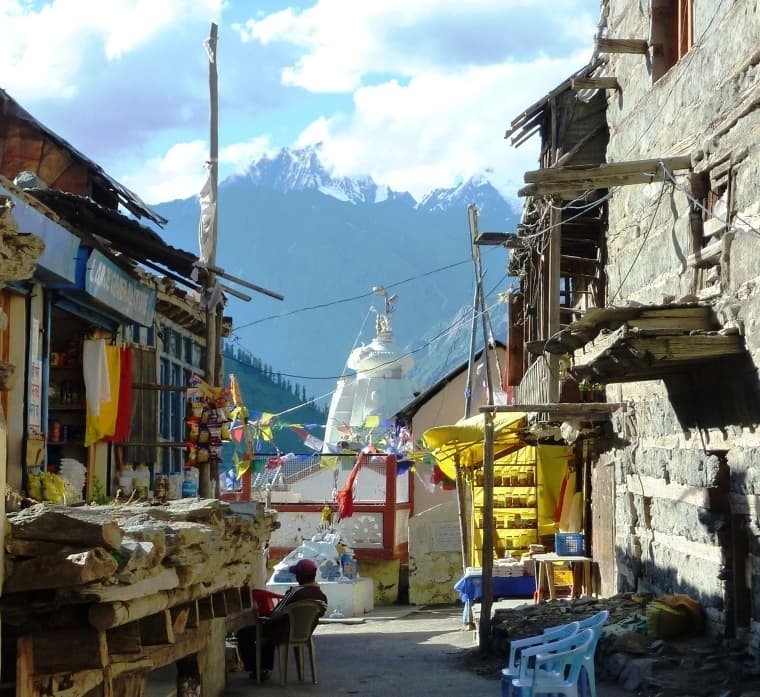
The Triloknath Temple, located in Himachal Pradesh, India, is a significant religious site revered by both Tibetan Buddhists and Hindus. Originally believed to be a Buddhist vihara, it now houses a marble statue of Avalokiteshvara, worshipped as Shiva by Hindus and as Avalokiteshvara by Buddhists. The temple's architecture and history suggest a blend of influences, with its columns dating to the 9th century CE.