
Zosimas of Solovki
August 8·15th century·Russia
Zosimas of Solovki was a Russian hermit and one of the founders of the Solovetsky Monastery in northern Russia. He is venerated as a saint by the Russian Orthodox Church for his role in establishing the influential monastery. He is chiefly remembered for his ascetic life and his contributions to the monastic community on the Solovetsky Islands.
Key Facts
- ›He was a Russian hermit who lived in the 15th century.
- ›Zosimas, along with Herman, founded the Solovetsky Monastery on the Solovetsky Islands.
- ›He met Herman, a monk who had previously lived with Savvatiy, near the Suma River.
- ›Monks began to arrive and consider themselves disciples of Zosimas.
- ›He was appointed as the hegumen (abbot) of the Solovetsky Monastery.
- ›He died in 1478 and has been venerated as a saint since 1547.
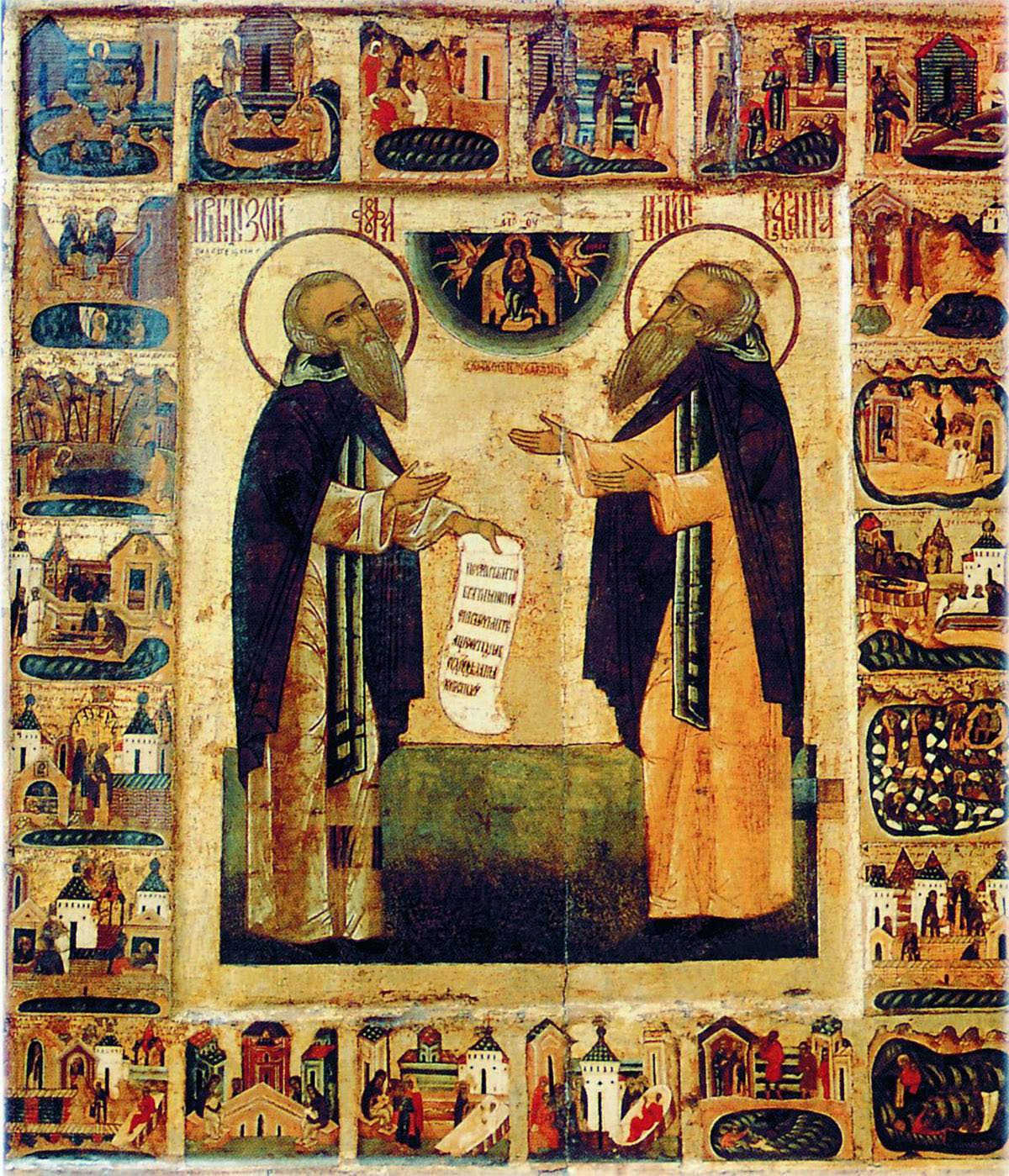
Zosima Solovetsky
About Zosimas of Solovki
Zosimas of Solovki was a 15th-century Russian hermit and a foundational figure in the establishment of the Solovetsky Monastery. Venerated as a saint by the Russian Orthodox Church, his life and work were instrumental in creating one of Russia's most significant monastic centers.
Life and Historical Context
Details regarding Zosimas's early life are not precisely clear, but by 1436, he had decided to live as a hermit. It was during this period that he encountered Herman, a monk who had previously resided with Savvatiy on Bolshoy Solovetsky Island. Following Savvatiy's death in 1435, Herman had returned to the mainland. Zosimas and Herman then journeyed together to the Solovetsky Islands, where they began to attract other monks who recognized Zosimas as their spiritual leader.
Under Zosimas's guidance, the community grew, necessitating the construction of a wooden church and the formal organization of the monks into a monastery. Initially subordinate to the Eparchy of Novgorod, the monastery faced challenges, with appointed abbots unable to endure the harsh conditions. Eventually, Zosimas himself was appointed as the hegumen.
In 1465, Zosimas oversaw the construction of a new church and the relocation of Savvatiy's relics to this sacred site. His death occurred in 1478. Even during his lifetime, the Solovetsky Monastery gained considerable financial support from the Novgorod Republic, establishing itself as one of the wealthiest monasteries in Russia.
Veneration
Zosimas of Solovki has been formally venerated as a saint by the Russian Orthodox Church since 1547. His feast day is observed on August 8th, commemorating his spiritual leadership and contributions to monastic life in northern Russia.
Source: Wikipedia ↗
Frequently Asked Questions
Who was Zosimas of Solovki?
Zosimas of Solovki was a Russian hermit and one of the principal founders of the Solovetsky Monastery. He lived in the 15th century and is venerated as a saint by the Russian Orthodox Church.
When was the Solovetsky Monastery founded?
While the exact founding date is not specified, Zosimas was involved in establishing the Solovetsky Monastery on the Solovetsky Islands by 1436, where he met Herman. The monastery grew significantly under his guidance.
What is Zosimas of Solovki remembered for?
He is remembered for his ascetic life and his crucial role in founding and organizing the Solovetsky Monastery. He attracted monks who considered themselves his disciples and helped the monastery become a wealthy and influential institution.
When is the feast day of Zosimas of Solovki?
The feast day of Zosimas of Solovki is commemorated on August 8th.
What was Zosimas's role in the Solovetsky Monastery?
Zosimas was instrumental in the early development of the Solovetsky Monastery. He helped build a church, organized monks into a monastic community, and was eventually appointed as the hegumen (abbot) of the monastery.
Related Saints
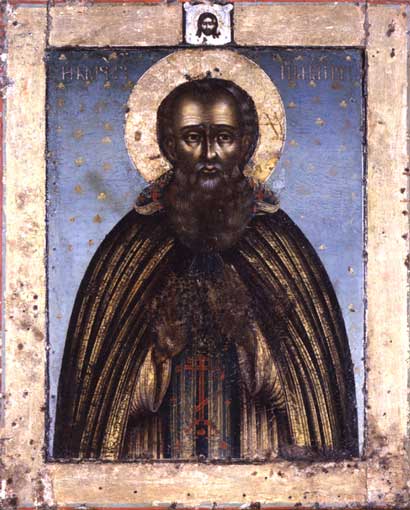
Herman of Solovki
Herman of Solovki was a Russian hermit and one of the founders of the Solovetsky Monastery. He is venerated as a saint for his role in establishing a prominent monastic community in a remote northern location. Herman is chiefly remembered for his ascetic life and his contribution to the spiritual and monastic development of the Solovetsky Islands.
Abraham of Paleostrov
Abraham of Paleostrov was an Eastern Orthodox saint and hegumen (abbot) of the Monastery of the Nativity of the Blessed Virgin Mary in Paleostrov, Russia. A disciple and successor of Cornelius of Paleostrov, he participated in the construction of the monastery and its churches. He is remembered for his abbatial service and burial alongside his spiritual father.
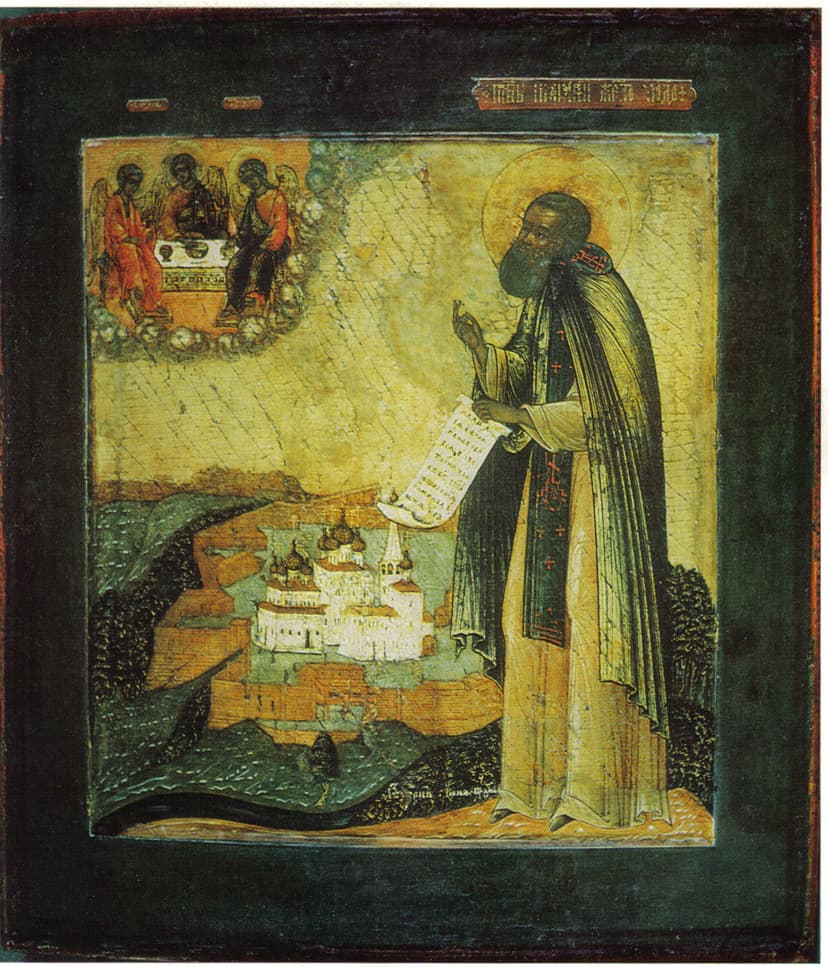
Macarius of Unzha
Macarius of Unzha was a Russian Orthodox monk and miracle worker, venerated for founding four monasteries in the Middle and Upper Volga regions. He is remembered for his ascetic life, his role in converting many to Christianity, and for his numerous miracles, which led to his canonization and widespread veneration.