
Herman of Solovki
August 12·15th century·Russia
Herman of Solovki was a Russian hermit and one of the founders of the Solovetsky Monastery. He is venerated as a saint for his role in establishing a prominent monastic community in a remote northern location. Herman is chiefly remembered for his ascetic life and his contribution to the spiritual and monastic development of the Solovetsky Islands.
Key Facts
- ›Herman of Solovki was a Russian hermit who lived on the Solovetsky Islands for approximately 50 years.
- ›He met monk Sabbatius in 1429 and together they sought a desolate place to live as hermits.
- ›After Sabbatius died, Herman met Zosima, and they returned to the islands to establish the Solovetsky Monastery.
- ›Herman died in Novgorod in 1479, and his relics were later transferred to the Solovetsky Monastery.
- ›He has been venerated as a saint by the Russian Orthodox Church since 1692.
- ›His feast days are observed on July 30 (August 12) and August 8 (August 21).
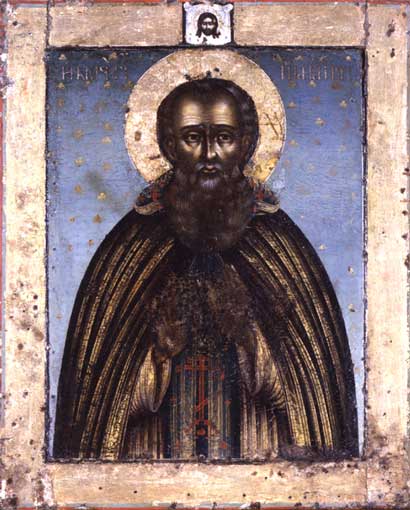
Герман Соловецкий
About Herman of Solovki
Herman of Solovki (died 1479) was a Russian hermit and a key figure in the establishment of the Solovetsky Monastery. He is venerated as a saint within the Russian Orthodox Church, remembered for his ascetic life and his foundational role in creating a significant monastic center in a remote northern region.
Life and historical context
Herman, of presumed Karelian origin, embarked on his monastic journey seeking solitude. In 1429, he met the monk Sabbatius, and together they sought a desolate location away from populated areas. They traveled to the Solovetsky Islands, where they lived as hermits. Following Sabbatius's death in 1435, Herman briefly returned to the mainland. There, in 1436, he encountered Zosima. The two monks then returned to the Solovetsky Islands, and as other monks began to join them, the Solovetsky Monastery was founded. Zosima eventually became the hegumen (abbot) of the monastery, which was under the jurisdiction of the Eparchy of Novgorod.
In 1479, the year of Zosima's death, the new hegumen, Arseniy, dispatched Herman to Novgorod. Herman died in Novgorod in the same year. Plans to transfer his relics back to the Solovetsky Monastery were delayed due to the seasonal limitations of travel. Consequently, Herman was initially buried on the Svir River. In 1484, his relics were successfully transferred to the Solovetsky Monastery.
Veneration and Legacy
Herman of Solovki has been officially venerated as a saint by the Russian Orthodox Church since 1692. His feast days are observed on July 30 (Old Style) and August 8 (Old Style), the latter commemorating the translation of his relics. His legacy is intrinsically tied to the Solovetsky Monastery, which became a vital spiritual and cultural hub in Northern Russia, and his life exemplifies the ascetic ideal of monasticism in challenging environments.
Source: Wikipedia ↗
Frequently Asked Questions
Who was Herman of Solovki?
Herman of Solovki was a Russian hermit and one of the founders of the Solovetsky Monastery. He lived in the Solovetsky Islands for about 50 years, seeking a desolate place for ascetic life.
When was the Solovetsky Monastery founded?
The Solovetsky Monastery was founded after Herman of Solovki returned to the islands with Zosima. While the exact year of founding is not specified, it was established after Herman met Zosima in 1436 and they returned to the islands together.
Where are Herman of Solovki's relics located?
Herman of Solovki's relics were eventually transferred to the Solovetsky Monastery in 1484. Initially, he was buried on the Svir River after his death in Novgorod in 1479.
When is Herman of Solovki's feast day?
Herman of Solovki is venerated with feast days on July 30 (Old Style, August 12 New Style) and August 8 (Old Style, August 21 New Style), which commemorates the translation of his relics.
What is Herman of Solovki known for?
Herman of Solovki is known for his role as a hermit and as a co-founder of the Solovetsky Monastery. He and his companion Sabbatius sought a remote location for their ascetic practices, which eventually led to the establishment of this important monastic community.
Related Saints
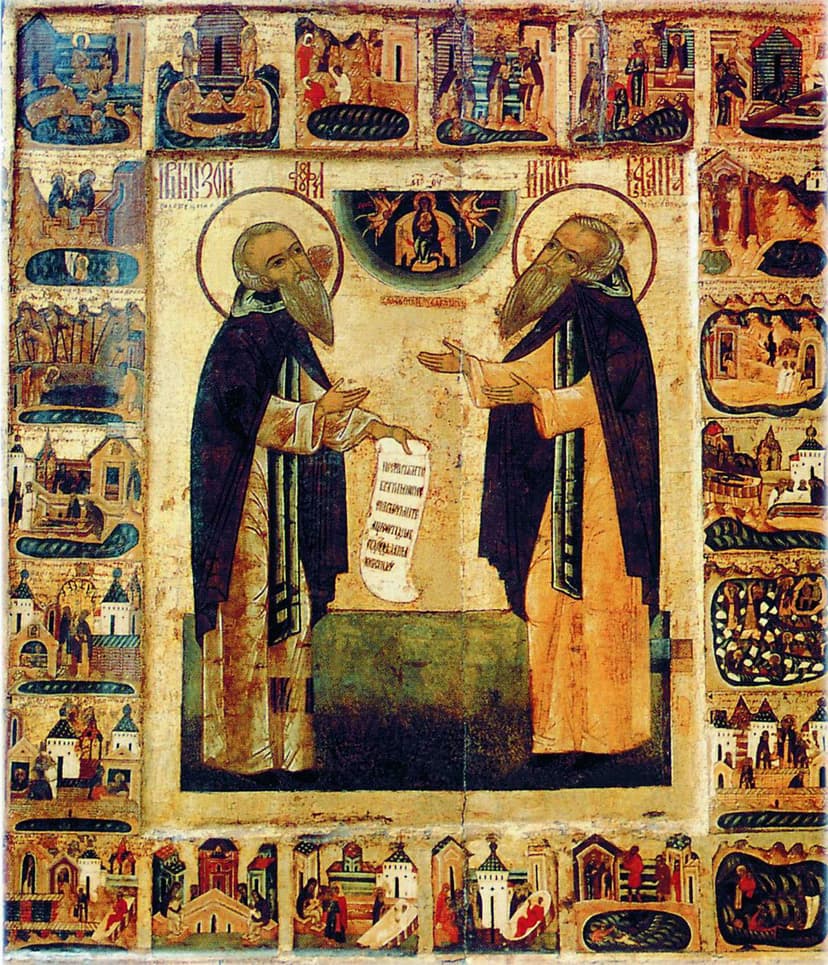
Zosimas of Solovki
Zosimas of Solovki was a Russian hermit and one of the founders of the Solovetsky Monastery in northern Russia. He is venerated as a saint by the Russian Orthodox Church for his role in establishing the influential monastery. He is chiefly remembered for his ascetic life and his contributions to the monastic community on the Solovetsky Islands.
Abraham of Paleostrov
Abraham of Paleostrov was an Eastern Orthodox saint and hegumen (abbot) of the Monastery of the Nativity of the Blessed Virgin Mary in Paleostrov, Russia. A disciple and successor of Cornelius of Paleostrov, he participated in the construction of the monastery and its churches. He is remembered for his abbatial service and burial alongside his spiritual father.
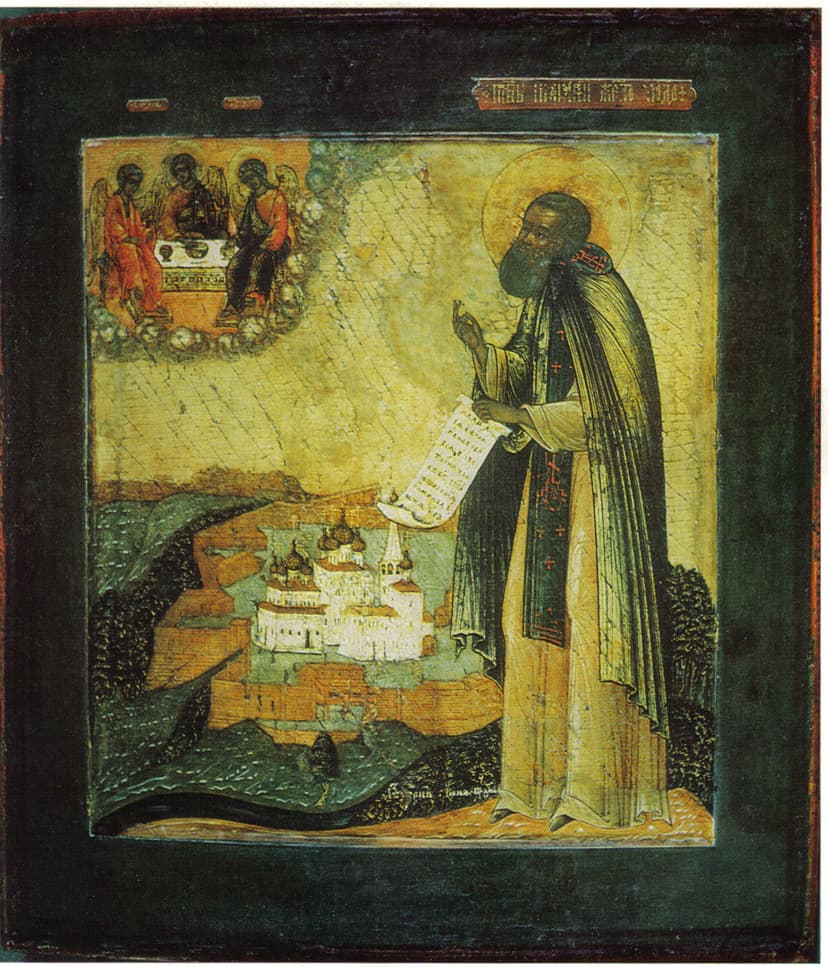
Macarius of Unzha
Macarius of Unzha was a Russian Orthodox monk and miracle worker, venerated for founding four monasteries in the Middle and Upper Volga regions. He is remembered for his ascetic life, his role in converting many to Christianity, and for his numerous miracles, which led to his canonization and widespread veneration.