
Vladislav
September 24·13th century·Serbia
Stefan Vladislav was the King of Serbia from 1234 to 1243, a member of the Nemanjić dynasty. He is chiefly remembered for his reign, during which he secured the maritime province of Hum and built the Mileševa monastery, and for his veneration as Saint Vladislav by the Serbian Orthodox Church.
Key Facts
- ›Vladislav was born around 1198, the middle son of Stefan the First-Crowned.
- ›He became King of Serbia in 1234, succeeding his elder brother Radoslav.
- ›Vladislav married Beloslava, the daughter of Bulgarian Emperor Ivan Asen II, strengthening ties with Bulgaria.
- ›He secured the maritime province of Hum, adding it to his royal title.
- ›During his reign, he built the Mileševa monastery, which he intended to be his burial place.
- ›In 1243, he abdicated in favor of his younger brother Stefan Uroš I amidst internal unrest and Mongol invasions.
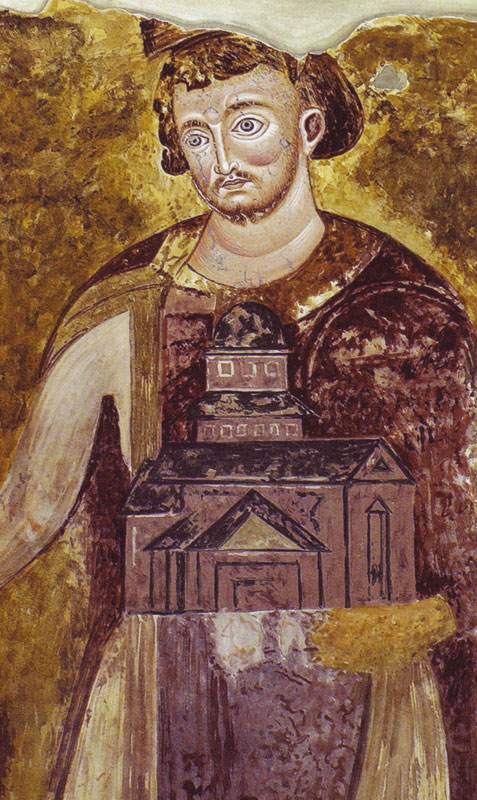
Stefan Vladislav, Saint Vladislav
About Vladislav
Stefan Vladislav
Stefan Vladislav, born around 1198 and reigning as King of Serbia from 1234 to 1243, was a significant monarch of the Nemanjić dynasty. He is remembered for his political maneuvers, the construction of the important Mileševa monastery, and his subsequent veneration as Saint Vladislav by the Serbian Orthodox Church. His reign navigated complex geopolitical relationships, including alliances with Bulgaria and the defense of Serbian territories.
Life and Historical Context
Vladislav was the middle son of Stefan the First-Crowned and Queen Eudokia. He ascended to the throne following the deposition of his elder brother, Stefan Radoslav, who had fallen under the influence of his Epirote wife. The Serbian nobility, likely disliking the increasing Epirote influence, supported Vladislav's claim to the throne. His accession was facilitated by Archbishop Sava, who also played a role in securing Vladislav's marriage to Beloslava, the daughter of Bulgarian Emperor Ivan Asen II. This marriage solidified a crucial political alliance between Serbia and Bulgaria.
Reign and Key Events
During Vladislav's rule, Serbia maintained a close political alignment with Bulgaria. He successfully secured the maritime province of Hum, which was under threat from Hungarian crusaders, and added "Hum" to his royal titles. A notable act of his reign was the construction of the Mileševa monastery in 1234, which he intended to serve as his final resting place. This monastery later became a venerated site, especially after the remains of Archbishop Sava, who died on pilgrimage during Vladislav's reign, were interred there.
Ousting and Later Life
Vladislav's reign faced significant challenges, particularly after the death of his powerful ally, Ivan Asen II of Bulgaria. The subsequent Mongol invasion of the Balkans in the winter of 1241 caused widespread devastation, though Serbia's mountainous terrain provided some refuge. Amidst this turmoil and internal unrest, the Serbian nobility rose up against Vladislav. In the spring of 1243, he was forced to abdicate in favor of his younger brother, Stefan Uroš I, and was granted the governorship of Zeta. Historical accounts suggest a reconciliation between the brothers, with Uroš I treating Vladislav courteously.
Legacy and Veneration
Stefan Vladislav is honored by the Serbian Orthodox Church with the title of Saint. His feast day is observed on September 24 (October 7 according to the Julian calendar). His legacy is tied to the establishment of the Mileševa monastery, a testament to his piety and patronage of the church, and to his role as a ruler who navigated a turbulent period in Balkan history, maintaining Serbian sovereignty and strengthening regional alliances.
Source: Wikipedia ↗
Frequently Asked Questions
When did Stefan Vladislav rule as King of Serbia?
Stefan Vladislav reigned as the King of Serbia from 1234 to 1243. He was the middle son of Stefan the First-Crowned and a member of the influential Nemanjić dynasty.
Why is Stefan Vladislav venerated as a saint?
Stefan Vladislav is celebrated as a saint by the Serbian Orthodox Church. He is venerated on September 24 (October 7 in the Julian calendar).
What significant buildings or structures are associated with Vladislav?
Vladislav is known for building the Mileševa monastery, which was intended to be his burial place. The monastery became an important spiritual and cultural center in medieval Serbia.
What foreign policy decisions did Vladislav make?
Vladislav's foreign policy was marked by a strong alliance with Bulgaria through his marriage to Beloslava, daughter of Ivan Asen II. He also secured the maritime province of Hum and engaged in diplomatic relations with Ragusa.
How did Vladislav's reign end?
Vladislav's reign concluded in 1243 when he was ousted by the Serbian nobility, leading to his abdication in favor of his younger brother, Stefan Uroš I. This political shift occurred during a period of unrest and Mongol invasions.
Related Saints
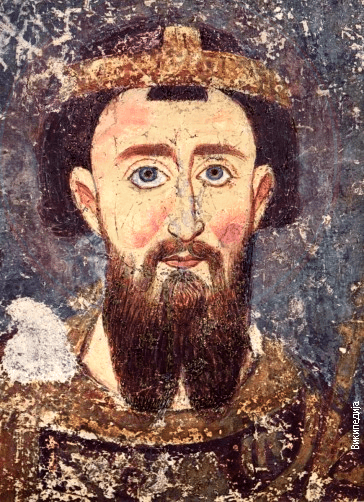
Simeon the Monk
Stefan the First-Crowned was the first king of Serbia, reigning from 1217 until his death in 1228. He is remembered for transforming the Serbian Grand Principality into a kingdom and for his crucial support of his brother, Saint Sava, in establishing the independent Serbian Orthodox Church. His reign marked a significant step in Serbia's statehood and ecclesiastical autonomy.
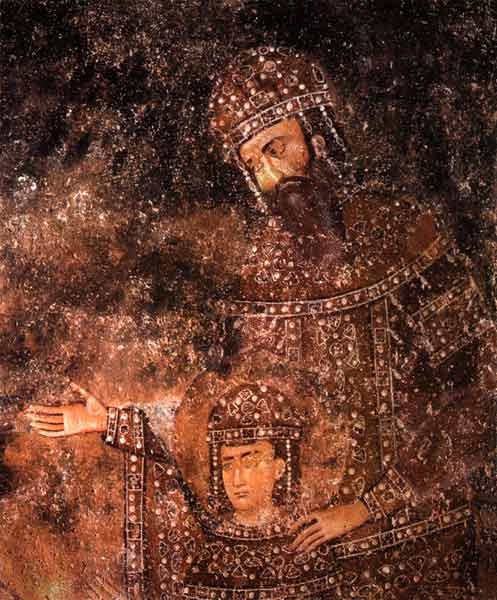
Uroš the Great
Stefan Uroš I, known as Uroš the Great, was the King of Serbia from 1243 to 1276. He is remembered for laying the foundations for the expansion of the Serbian medieval state, which later became an empire. During his reign, he significantly strengthened Serbia economically and militarily, notably by developing mining and trade, and asserted state authority over the church.
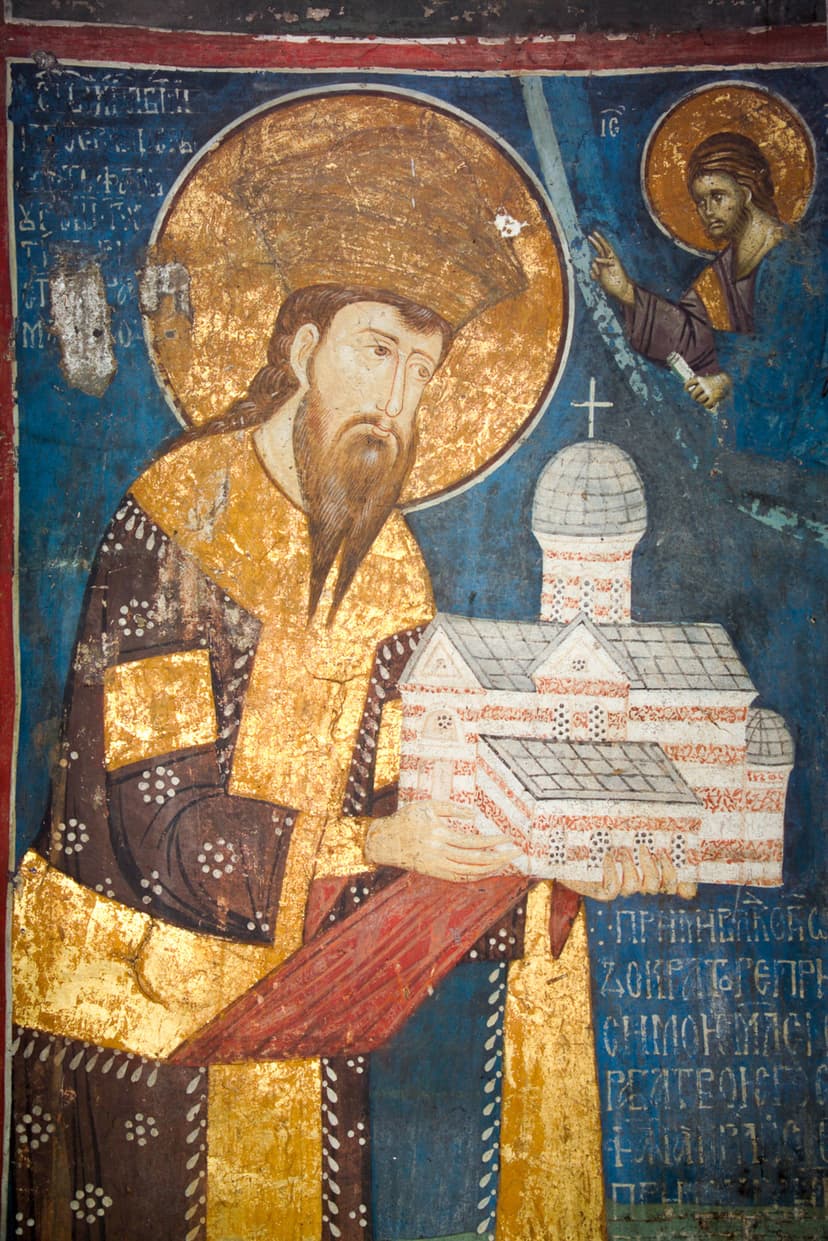
Stephen of Dečani
Stephen of Dečani was King of Serbia from 1322 to 1331, known for building the great monastery of Visoki Dečani. He is remembered for his victory at the Battle of Velbazhd in 1330, which significantly weakened Bulgaria and secured Serbian dominance in the Balkans. Canonized by the Serbian Orthodox Church, he is venerated for his piety and the monastery he founded.