
Tryphon of Pechenga
December 15·16th century·Russia
Tryphon of Pechenga was a 16th-century Russian monk and ascetic who became known as the "Enlightener of the Sami." He is chiefly remembered for founding the Pechenga Monastery and for his missionary work among the Sámi people of the Kola Peninsula and Lapland.
Key Facts
- ›Born Mitrofan, he was the son of a priest from the Novgorod region.
- ›He was trained as a military engineer before feeling a call to missionary work.
- ›He studied SáMI beliefs and languages to effectively spread Christianity.
- ›He founded the Pechenga Monastery on the banks of the Pechenga River.
- ›Tryphon is commemorated on December 15 in the Eastern Orthodox Church.
- ›Russian seamen traditionally pray to him when in danger.
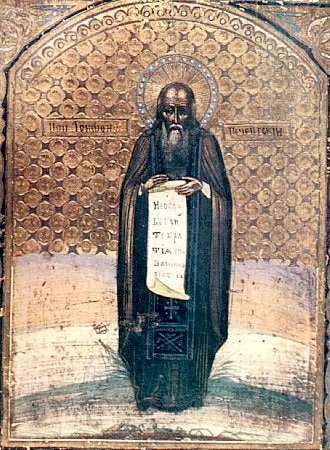
Pyhittäjä Trifon Petsamolainen (Kuolalainen), Pââʹss Treeffan, St./S:t Trifon av Petsamo
Sami People, Russian Seamen
About Tryphon of Pechenga
Tryphon of Pechenga, born Mitrofan in 1495, was a Russian monk and ascetic of the Eastern Orthodox Church who lived and ministered in the Kola Peninsula and Lapland during the 16th century. He is recognized as the founder of the Pechenga Monastery and is celebrated as the "Enlightener of the Sami" for his extensive missionary efforts among the indigenous Sámi people.
Life and Missionary Work
Initially the son of a priest from the Novgorod region, Mitrofan was trained as a military engineer. However, he felt a divine calling to spread the Gospels to the Sámi. Despite facing hostility from the pagans, Tryphon proved effective in his evangelistic endeavors, a success often attributed to his dedication to studying their beliefs and languages. With the approval of Archbishop Macarius of Novgorod, Mitrofan was tonsured a monk, receiving the religious name Tryphon, and was ordained as a hieromonk. He subsequently became the leader of the Holy Trinity Monastery situated on the banks of the Pechenga River, continuing his work of spreading Christianity to the local inhabitants.
Veneration and Legacy
Tryphon died in 1583 at the age of 88. He is commemorated annually on December 15 within the Eastern Orthodox Church. While less widely known in the broader Orthodox traditions, Tryphon holds significant and enduring popularity among Orthodox Christians in the Lapland Regions. This sustained veneration is often linked to his adeptness at harmonizing Orthodox teachings with elements of local pagan practices. Russian seamen traditionally turn to Tryphon in prayer for protection when facing perilous situations at sea.
Source: Wikipedia ↗
Frequently Asked Questions
Who was Tryphon of Pechenga?
Tryphon of Pechenga was a 16th-century Russian monk and ascetic. He was the founder of the Pechenga Monastery and is known as the "Enlightener of the Sami" for his missionary work.
What was Tryphon of Pechenga's missionary work?
Tryphon was called by God to proclaim the Gospels to the Sámi people. He studied their beliefs and languages, which helped him effectively convince many to convert to Christianity despite initial hostility.
When is Tryphon of Pechenga commemorated?
Tryphon of Pechenga is commemorated on December 15 in the Eastern Orthodox Church. He died in 1583 at the age of 88.
Why is Tryphon of Pechenga popular in Lapland?
Tryphon achieved and maintained popularity among Orthodox Christians in the Lapland Regions. His popularity is often attributed to his skillful blending of Orthodoxy and pagan practices.
Who prays to Tryphon of Pechenga?
Russian seamen traditionally pray to Tryphon of Pechenga when they are in danger. He is also venerated by Orthodox Christians in the Lapland Regions.
Related Saints
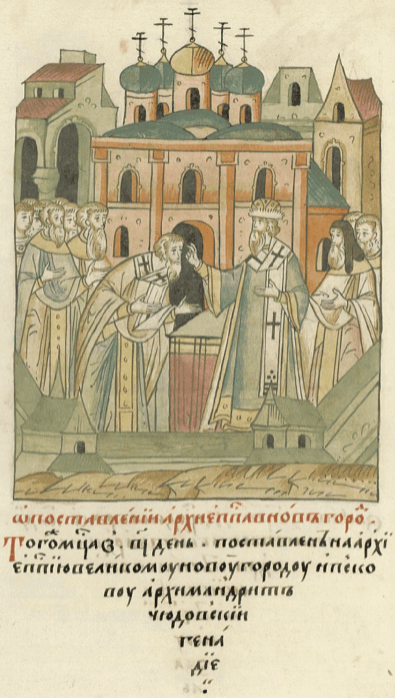
Gennadius of Novgorod
Gennadius of Novgorod was the Archbishop of Novgorod the Great and Pskov from 1484 to 1504. He is primarily remembered for his instrumental role in combating the Heresy of the Judaizers and for compiling the first complete Slavic Bible codex, known as the Gennady Bible, in 1499. He is venerated as a saint in the Russian Orthodox Church.
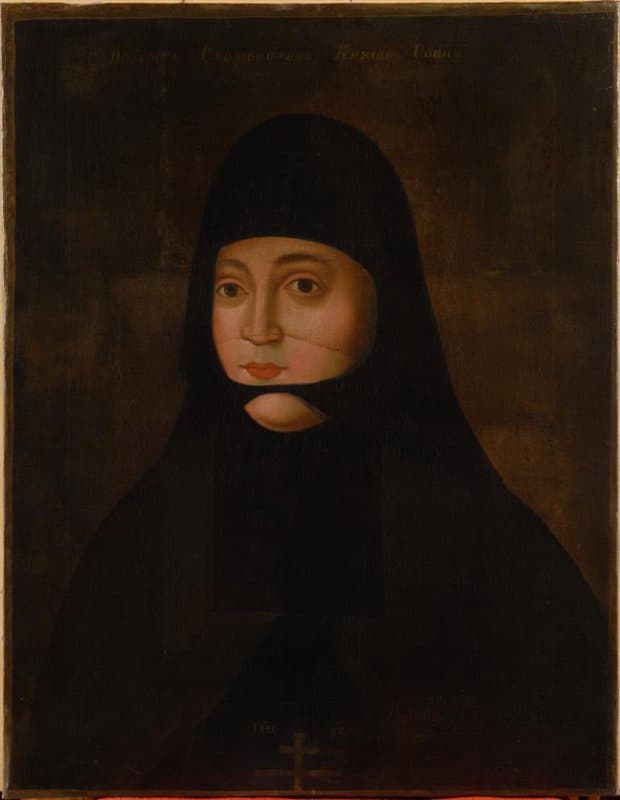
Sophia of Suzdal
Sophia of Suzdal, formerly known as Solomonia Yuryevna Saburova, was the Grand Princess of Moscow as the wife of Vasili III. She is remembered for her piety and for her canonization by the Russian Orthodox Church after a life marked by the struggle for an heir and her eventual monastic vows. She is chiefly remembered for her devout life as a nun and her subsequent veneration.
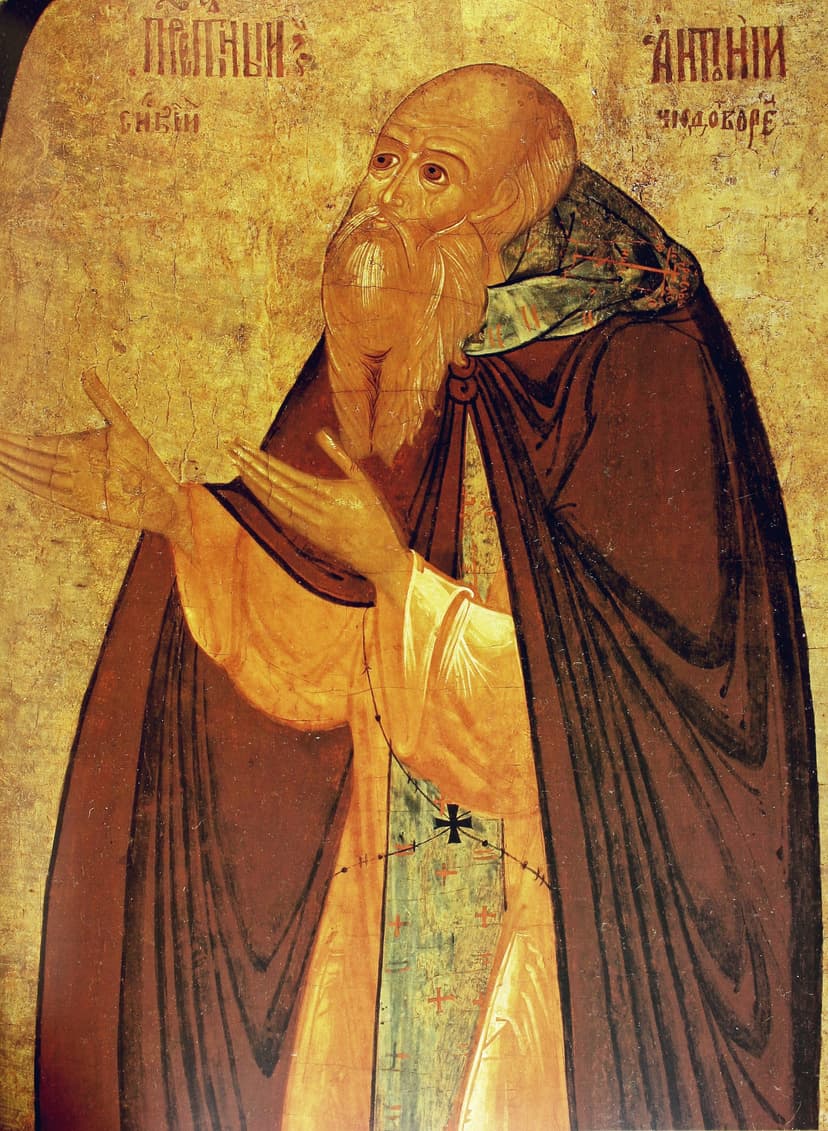
Anthony of Siya
Anthony of Siya was a Russian Orthodox monk, born a peasant in 1478, who founded the Antonievo-Siysky Monastery in the Russian North. He is remembered as the last significant monastic saint, advocating for monastic control of peasant villages and dying in 1556.