
Sophia of Suzdal
December 18·16th century·Russia
Sophia of Suzdal, formerly known as Solomonia Yuryevna Saburova, was the Grand Princess of Moscow as the wife of Vasili III. She is remembered for her piety and for her canonization by the Russian Orthodox Church after a life marked by the struggle for an heir and her eventual monastic vows. She is chiefly remembered for her devout life as a nun and her subsequent veneration.
Key Facts
- ›Solomonia Yuryevna Saburova was married to Vasili III of Russia on September 4, 1505.
- ›After twenty years of marriage, she was unable to conceive an heir, which led to her divorce.
- ›She was forced to take monastic vows under the name Sophia in November 1525.
- ›Sophia was moved to the Intercession Convent in Suzdal, where she lived out her days.
- ›She died in Suzdal on December 18, 1542.
- ›She was later canonized by the Russian Orthodox Church as Saint Sofia of Suzdal.
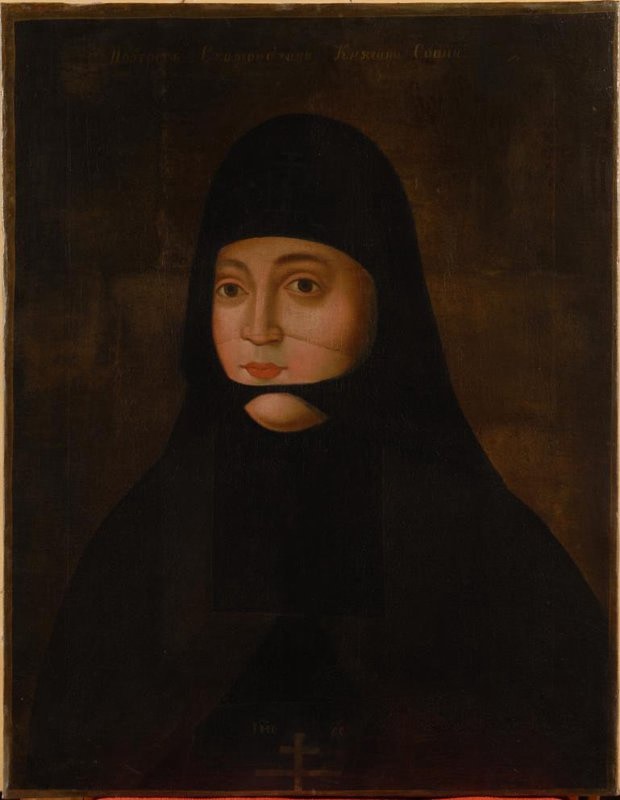
Solomonia Yuryevna Saburova, Saint Sofia of Suzdal
Nun, Grand Princess
About Sophia of Suzdal
Sophia of Suzdal, born Solomonia Yuryevna Saburova (c. 1490 – 1542), was the Grand Princess of Moscow and the first wife of Vasili III of Russia. Her life is a significant narrative within Russian history, particularly concerning the succession of the throne and the role of women in the royal court.
Life and Historical Context
Solomonia married Vasili III on September 4, 1505. Her father, Yury Konstantinovich Saburov, was elevated to the rank of boyar upon his daughter's marriage to the monarch, indicating the family's rise in status. The marriage, however, became a source of national concern after twenty years when it became apparent that Solomonia was barren. This inability to produce an heir posed a direct threat to Vasili III's lineage and the stability of the Muscovite throne, as his brothers would have inherited the principality upon his death without a son.
In an effort to secure the succession, Vasili III, with the approval of Metropolitan Daniel and the boyars, decided to divorce Solomonia in 1525. This decision was controversial, with some ecclesiastical authorities, including Vassian Patrikeyev and Maksim Grek, declaring the divorce unlawful. Despite her "shining beauty, exemplary morals and mild character," her failure to bear children weighed heavily on her relationship with her husband.
Later Life and Veneration
Following the annulment of her marriage in November 1525, Solomonia was compelled to take monastic vows, adopting the name Sophia. She was first placed in the Nativity Monastery of Moscow and later transferred to the Intercession Convent in Suzdal. Historical accounts differ on the circumstances of her transition to monastic life, with some, like Sigismund von Herberstein, asserting she was taken by force, while Russian chronicles emphasize her submission to the sovereign's will. Rumors persisted that she had given birth to a son named George within the convent walls, though this remains unsubstantiated.
Sophia died in Suzdal in 1542. Centuries later, she was canonized by the Russian Orthodox Church as Saint Sofia of Suzdal, recognizing her piety and her acceptance of her difficult circumstances. Her life story serves as a testament to the pressures of dynastic politics and the spiritual resilience of individuals within them.
Source: Wikipedia ↗
Frequently Asked Questions
Who was Solomonia Yuryevna Saburova?
Solomonia Yuryevna Saburova was the Grand Princess of Moscow, married to Vasili III of Russia. After failing to produce an heir, she was divorced and forced to take monastic vows, becoming Sophia.
Why was Solomonia divorced by Vasili III?
The marriage was annulled after twenty years because Solomonia was unable to bear children. Vasili III was concerned that if he died childless, his brothers would inherit the throne, leading to succession issues.
What happened to Solomonia after her divorce?
Following her divorce in 1525, Solomonia was compelled to become a nun, taking the name Sophia. She was initially placed in the Nativity Monastery of Moscow before being moved to the Intercession Convent in Suzdal.
When did Sophia of Suzdal die?
Sophia of Suzdal died in 1542 at the Intercession Convent in Suzdal.
Why is Solomonia Yuryevna Saburova venerated as a saint?
She was canonized by the Russian Orthodox Church as Saint Sofia of Suzdal. Her veneration stems from her devout life as a nun and her acceptance of her fate, despite the difficult circumstances.
Related Saints
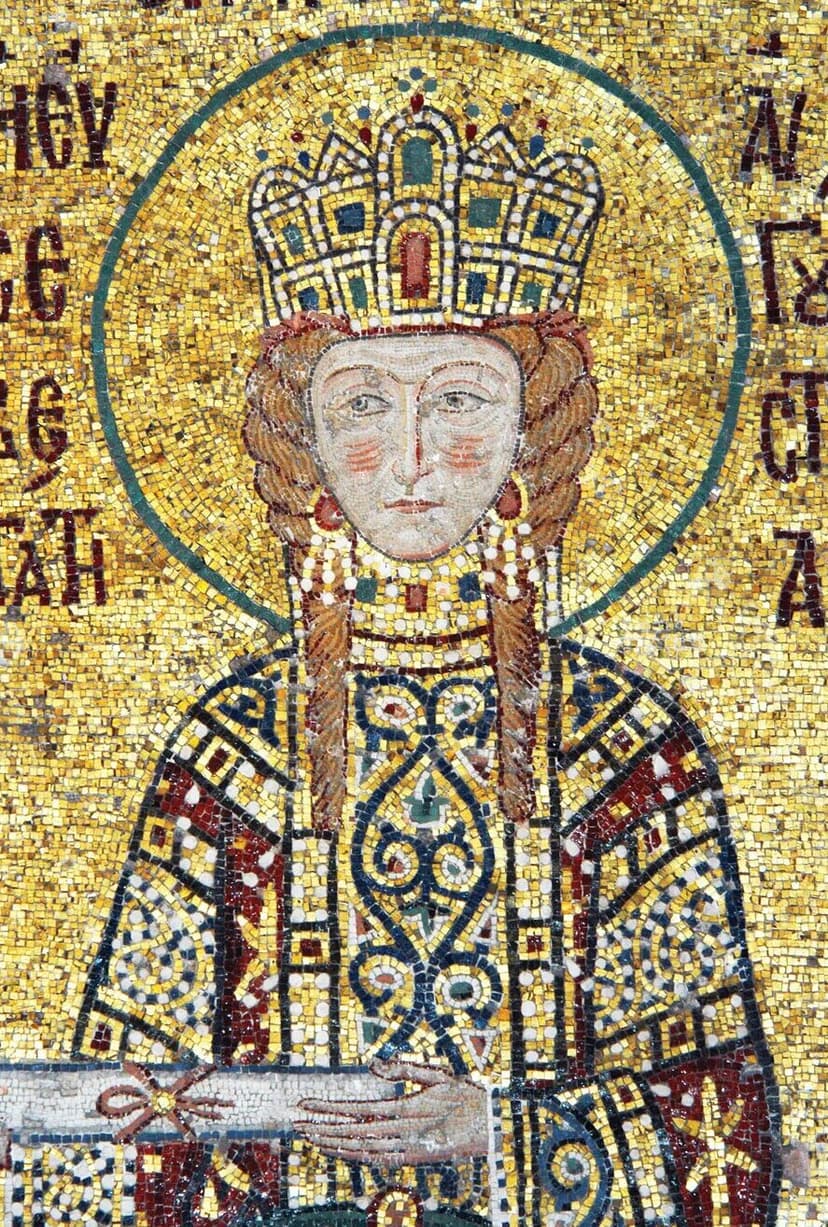
Irene of Hungary
Irene of Hungary was a Byzantine empress, born Piroska, who married John II Komnenos during a height of the Byzantine Empire. She is remembered for her patronage of charitable institutions, most notably the Monastery of Christ Pantokrator in Constantinople, which included a hospital with advanced medical principles for its time. Irene is venerated as a saint in the Eastern Orthodox Church and as a Hungarian saint in the Catholic Church.
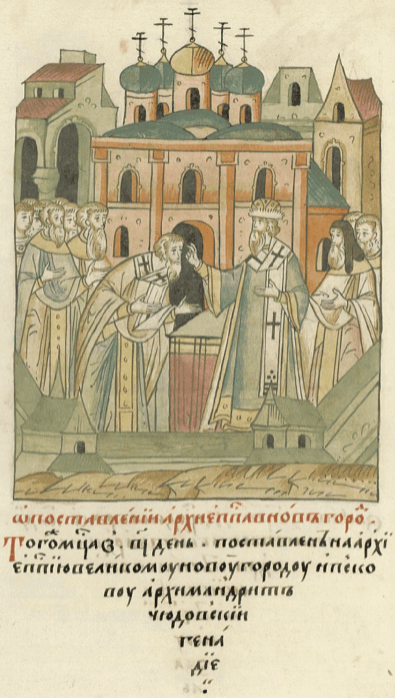
Gennadius of Novgorod
Gennadius of Novgorod was the Archbishop of Novgorod the Great and Pskov from 1484 to 1504. He is primarily remembered for his instrumental role in combating the Heresy of the Judaizers and for compiling the first complete Slavic Bible codex, known as the Gennady Bible, in 1499. He is venerated as a saint in the Russian Orthodox Church.
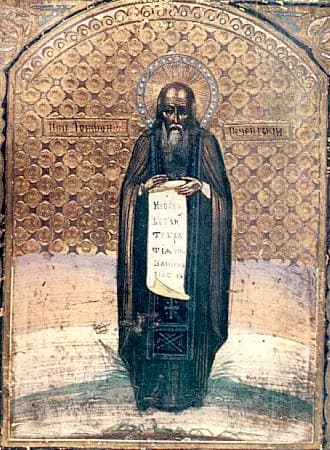
Tryphon of Pechenga
Tryphon of Pechenga was a 16th-century Russian monk and ascetic who became known as the "Enlightener of the Sami." He is chiefly remembered for founding the Pechenga Monastery and for his missionary work among the Sámi people of the Kola Peninsula and Lapland.