
Theodora of Sihla
August 7·18th century·Romania
Theodora of Sihla was a Romanian Orthodox Christian ascetic and saint, known for her life of prayer and solitude in the Carpathian Mountains. She is chiefly remembered for her courageous retreat into the wilderness to escape foreign invasions and her subsequent life as an anchorite, leading to her canonization.
Key Facts
- ›Theodora of Sihla was born around 1650 in Neamț County, Romania.
- ›She was married against her will and later embraced monasticism with her husband.
- ›She lived as an anchorite in the Sihla wilderness for nearly a decade.
- ›Her relics were translated to Pechersk Lavra in Kiev around 1725.
- ›Theodora was canonized by the Synod of the Romanian Orthodox Church on June 20, 1992.
- ›Her commemoration day is celebrated on August 7.
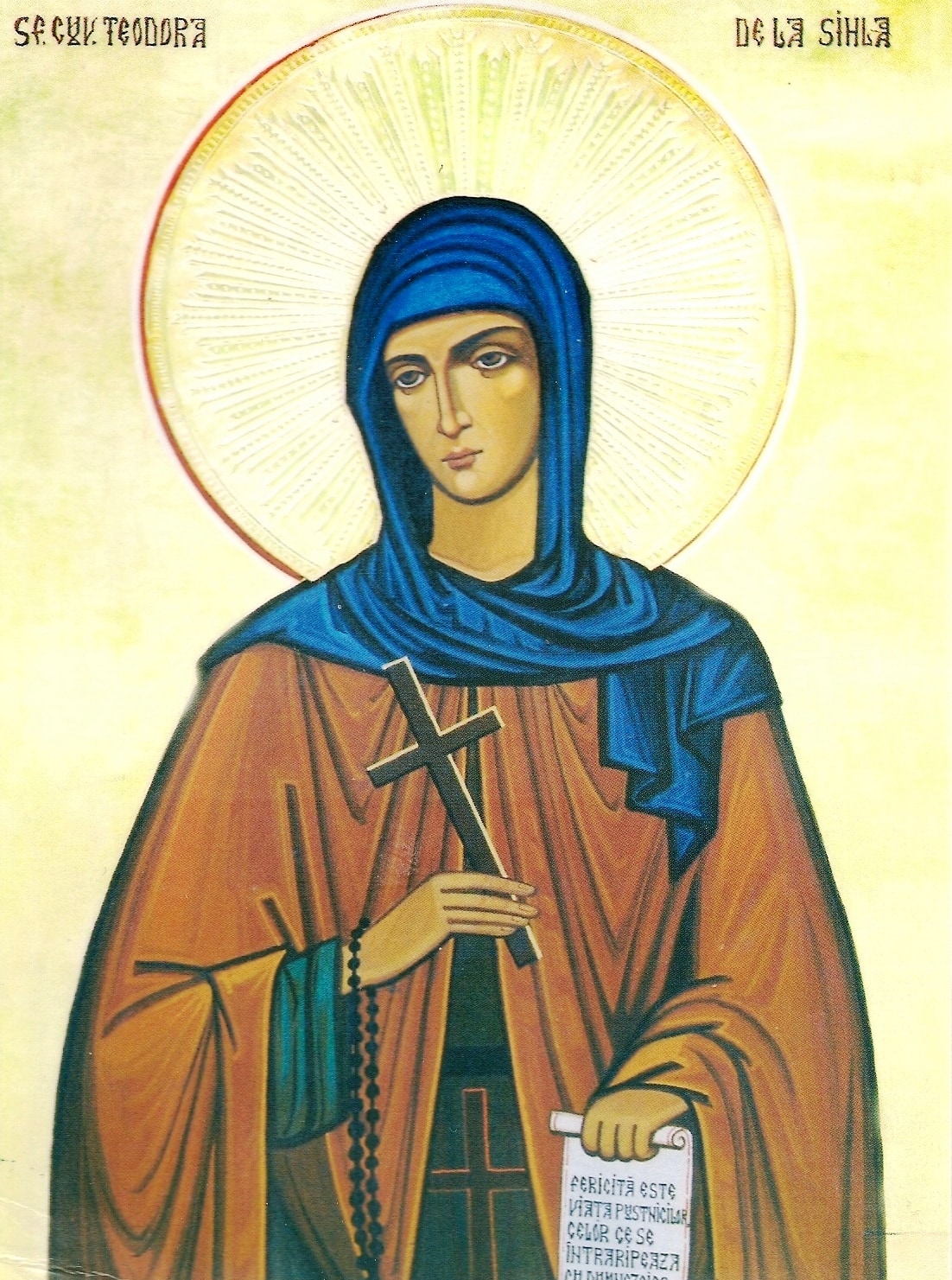
Teodora of the Carpathians, Bohdanna of the Carpathians
About Theodora of Sihla
Theodora of Sihla, also known as Teodora or Bohdanna of the Carpathians, was a Romanian Orthodox Christian ascetic venerated as a saint. Born around 1650 in Neamț County, Romania, she was the daughter of the chief armourer of Neamț Citadel. Her early life was marked by a marriage she did not desire. Following the death of her children, she and her husband decided to embrace monasticism; he withdrew to Poiana Mărului Monastery, while she entered Vărzărești Monastery.
Life and Historical Context
Foreign invasions prompted Theodora to leave her established monastic life and retreat into the Buzău Mountains. She is said to have lived in the wilderness for nearly a decade, with her presence noted in an inscription on an altar stone at the woodland hermitage of Fundătura. She eventually went to Neamț Monastery, from where she was guided to the Sihăstria hermitage. With the support of the monks there, she ascended the mountains to become an anchorite, or hermit, in the remote Sihla wilderness. The term "sihlă" refers to a thicket or dense forest of young trees, indicative of the harsh and solitary environment she chose.
Initially, Theodora resided in a cottage in a rocky area of Sihla, which had been left to her by an elderly monk. Oral tradition recounts that nuns fleeing from foreign invasions discovered her cottage, prompting her to relinquish it and move into a cave, seeking an even more secluded existence.
Posthumous Veneration and Legacy
After her death, Theodora's body remained in the cave where she had spent the latter part of her hermitage. Knowledge of her life and death is said to have reached her husband, who left his monastery to spend his final years at Sihăstria, near his wife's resting place. Around 1725, Sihla Monastery was founded in her memory, becoming a center of her veneration. Her relics were later translated to Pechersk Lavra in Kiev, Ukraine, around 1828-1834 during a period of Russian occupation.
The Romanian writer Calistrat Hogaș described Theodora in his book "Pe drumuri de munte" ("On mountain paths"), comparing her to Mary of Egypt and highlighting her renunciation of worldly pleasures for a life of asceticism in a rocky crevice. The Synod of the Romanian Orthodox Church officially canonized Saint Theodora of Sihla on June 20, 1992, establishing her commemoration on August 7. She is recognized as a significant figure in Romanian Orthodox spirituality and one of the first Romanian women to be elevated to sainthood.
Source: Wikipedia ↗
Frequently Asked Questions
When was Theodora of Sihla born?
Theodora of Sihla is believed to have been born around 1650 in Neamț County, Romania. Historical records place her birth during the reign of Vasile Lupu.
Why did Theodora of Sihla retreat to the wilderness?
She retreated into the Buzău Mountains and later the Sihla wilderness to escape foreign invasions. Oral tradition also recounts her relinquishing her cottage to nuns fleeing similar dangers, moving into a more remote cave.
What is known about her monastic life?
Theodora initially lived in a cottage left by an elderly monk, later moving to a cave. She lived as an anchorite in the Sihla wilderness for nearly a decade, dedicating her life to prayer and solitude.
Where are Theodora of Sihla's relics kept?
After her death, her body remained in the cave where she lived. Around 1725, her relics were translated to the Pechersk Lavra in Kiev, Ukraine.
When was Theodora of Sihla canonized?
Theodora of Sihla was canonized by the Synod of the Romanian Orthodox Church on June 20, 1992. Her feast day is celebrated annually on August 7.
Related Saints
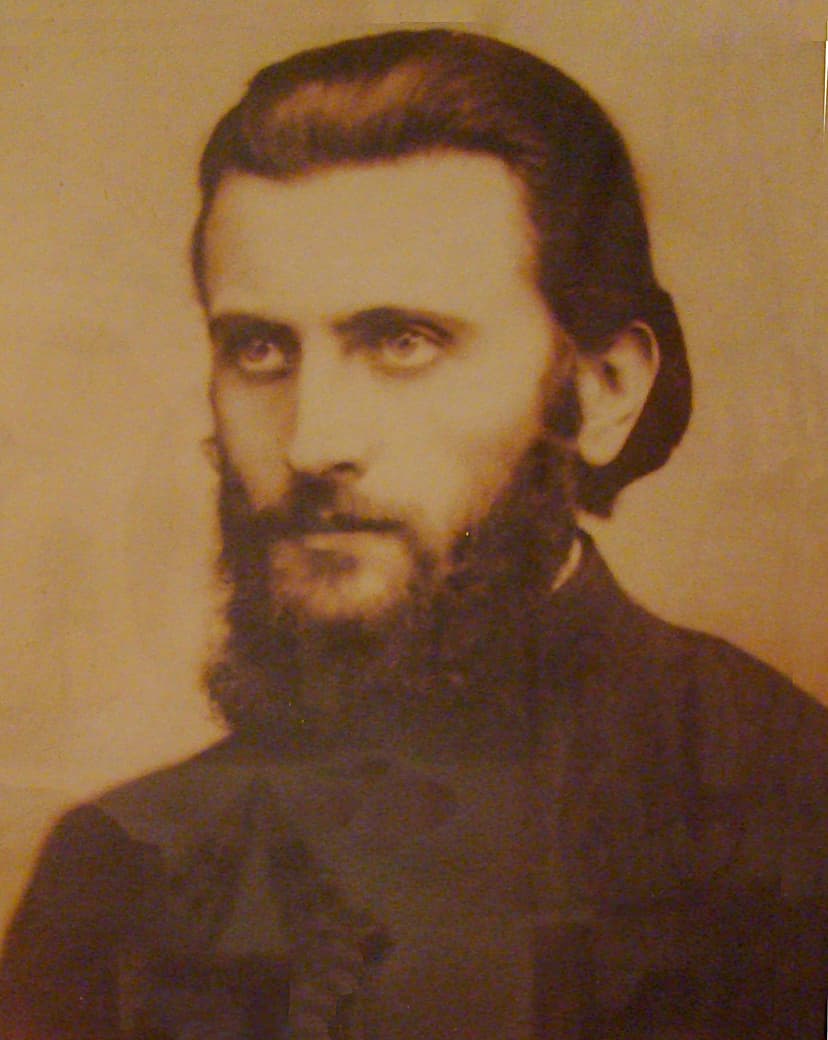
Arsenie of Prislop
Arsenie of Prislop was a Romanian priest, theologian, mystic, and artist who faced persecution by the Romanian Communist Party. He is venerated as a saint in the Romanian Orthodox Church and is remembered for his spiritual teachings and artistic contributions, particularly his religious paintings.
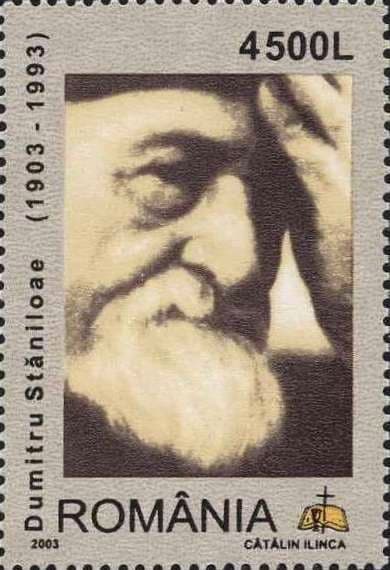
Demetrius Stăniloae
Demetrius Stăniloae was a Romanian Orthodox priest and theologian, highly regarded for his comprehensive translation and commentary on the Philokalia. His influential work, "The Dogmatic Orthodox Theology," established him as a prominent Christian theologian in the latter half of the 20th century. He is venerated in the Orthodox world for his theological contributions to the Church's collective faith, and was canonized by the Romanian Orthodox Church in 2025.
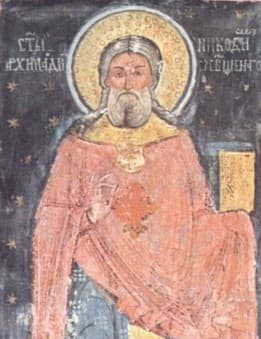
Nicodemus of Tismana
Nicodemus of Tismana was a 14th-century monk, scribe, and translator of Greek-Serbian origin who founded monasteries in Serbia and Romania. He is remembered for conveying hesychastic monastic traditions and for his participation in an ecclesiastical mission to Constantinople. Nicodemus is venerated in the Eastern Orthodox Church and is commemorated for his virtuous life and contributions to monasticism.