
Demetrius Stăniloae
October 4·20th century·Romania
Demetrius Stăniloae was a Romanian Orthodox priest and theologian, highly regarded for his comprehensive translation and commentary on the Philokalia. His influential work, "The Dogmatic Orthodox Theology," established him as a prominent Christian theologian in the latter half of the 20th century. He is venerated in the Orthodox world for his theological contributions to the Church's collective faith, and was canonized by the Romanian Orthodox Church in 2025.
Key Facts
- ›He was a Romanian Christian Orthodox priest, theologian, and professor.
- ›He dedicated over 45 years to translating and commenting on the Greek Philokalia.
- ›His seminal work is "the Dogmatic Orthodox Theology," published in 1978.
- ›He produced commentaries on prominent Christian thinkers like St. Gregory of Nyssa and St. Maximus the Confessor.
- ›He was canonized as a saint by the Romanian Orthodox Church on February 4, 2025.
- ›He is highly venerated throughout the Orthodox world for his theological impact.
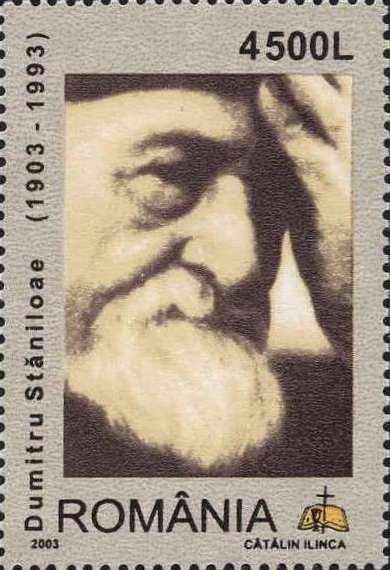
Demetrius Staniloae
About Demetrius Stăniloae
Demetrius Stăniloae (1903–1993) was a prominent Romanian Orthodox priest, theologian, and professor, widely recognized for his profound contributions to Orthodox theology and spirituality. His life's work included a multi-decade dedication to translating and commenting on the Philokalia, a foundational collection of texts on hesychastic prayer by the Church Fathers. This monumental endeavor, undertaken with hieromonk Arsenius Boca, brought extensive spiritual and theological resources to the Romanian Orthodox Church and the wider Orthodox world.
Stăniloae's theological output was prolific, with his magnum opus, The Dogmatic Orthodox Theology (1978), establishing him as a leading Christian theologian of the latter half of the 20th century. He also produced significant commentaries on earlier Christian thinkers, including Saint Gregory of Nyssa, Saint Maximus the Confessor, and Saint Athanasius of Alexandria, demonstrating a deep engagement with patristic tradition. His theological scholarship emphasized divine love, theosis (deification), and the communal nature of the Church.
Born Dumitru Stăniloae in Vlădeni, Romania, he pursued theological studies in Cernăuți and Athens, earning a PhD from Cernăuți in 1928. His academic career included teaching positions at the Theological Academy in Sibiu and later at the Faculty of Theology at the University of Bucharest. He was ordained a deacon in 1931 and a priest in 1932.
Despite his significant theological achievements, Stăniloae's life was not without controversy. His early career as a journalist involved promoting antisemitic views and praising totalitarian figures, a stance that has drawn criticism. He was also briefly imprisoned and later recruited as an informant by the Securitate, though he reportedly did not cooperate. These aspects of his life have been subjects of discussion and debate, particularly in light of his later canonization.
On February 4, 2025, the Romanian Orthodox Church officially canonized Demetrius Stăniloae as a saint, celebrating his feast day on October 4. His canonization was met with both praise for his theological legacy and criticism from some human rights organizations due to his past actions and writings. The Romanian Orthodox Church defended the decision, citing the Church's consideration of a sinner's change of life and the ultimate outcome of their spiritual journey.
Stăniloae's legacy endures through his extensive body of work, which continues to shape Orthodox theological thought and practice. His writings are celebrated for their depth, clarity, and ability to bridge the ancient patristic tradition with contemporary concerns, making him a vital figure in modern Orthodox theology.
Source: Wikipedia ↗
Frequently Asked Questions
Who was Demetrius Stăniloae?
Demetrius Stăniloae was a Romanian Orthodox priest, theologian, and professor, renowned for his significant contributions to Orthodox theology and his translation of the Philokalia. He is recognized as one of the most influential Orthodox theologians of the 20th century.
What is Demetrius Stăniloae best known for?
He is best known for his comprehensive Romanian translation and commentary on the Greek Philokalia, a collection of texts on prayer by Church Fathers. His "The Dogmatic Orthodox Theology" is also a highly regarded theological work.
When was Demetrius Stăniloae canonized?
Demetrius Stăniloae was canonized as a saint by the Romanian Orthodox Church on February 4, 2025. His feast day is celebrated on October 4.
What is the significance of his translation of the Philokalia?
His translation and commentary on the Philokalia made these important spiritual texts accessible to a wider Romanian-speaking audience, greatly enriching Orthodox spiritual life and theological study within Romania and beyond.
What controversies are associated with Demetrius Stăniloae?
He is considered a controversial figure due to his early journalistic activities where he promoted antisemitism and praised totalitarian figures. Despite being recruited by the Securitate, he did not cooperate with them.
Related Saints
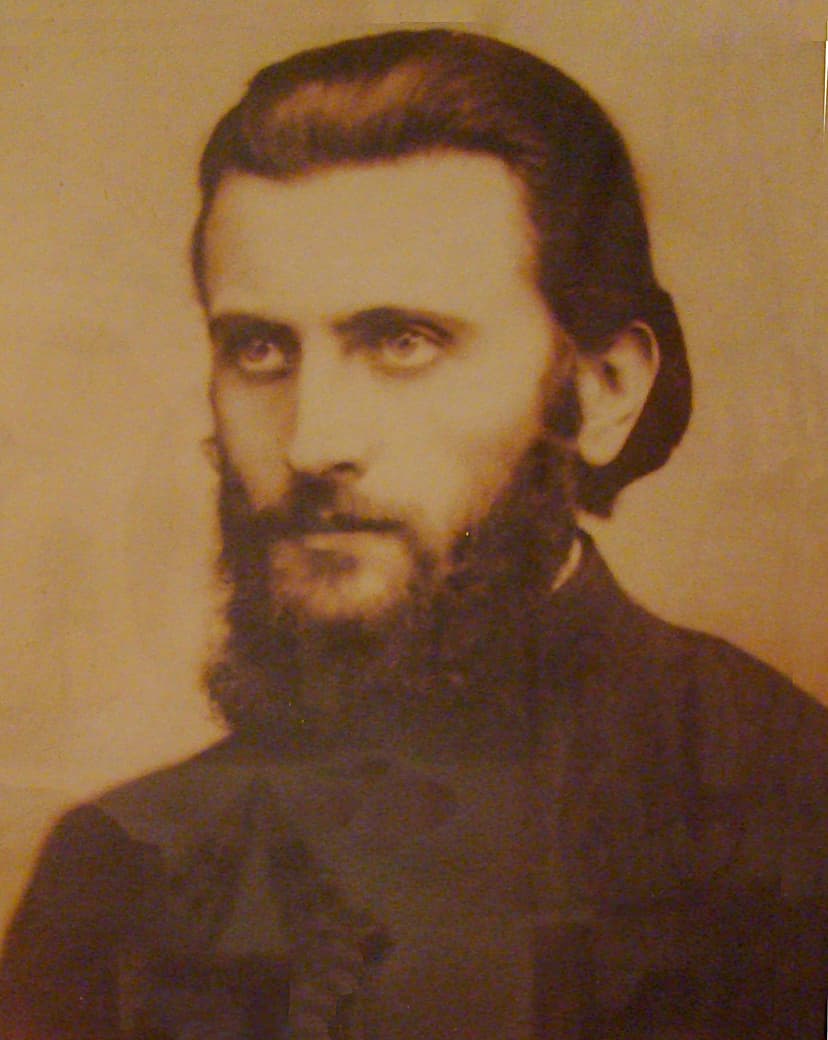
Arsenie of Prislop
Arsenie of Prislop was a Romanian priest, theologian, mystic, and artist who faced persecution by the Romanian Communist Party. He is venerated as a saint in the Romanian Orthodox Church and is remembered for his spiritual teachings and artistic contributions, particularly his religious paintings.
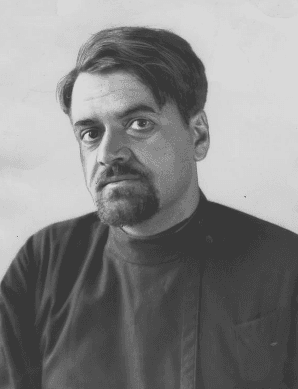
Grigol Peradze
Grigol Peradze was a prominent Georgian ecclesiastic figure, philologist, theologian, historian, and professor of patristics in the interwar period. He is remembered for his scholarly work in patristics and Georgian history, his pastoral care for the Georgian community in Paris, and his martyrdom during World War II. Peradze was canonized as a saint by the Eastern Orthodox Church for his sacrifice and dedication to his faith and fellow prisoners.
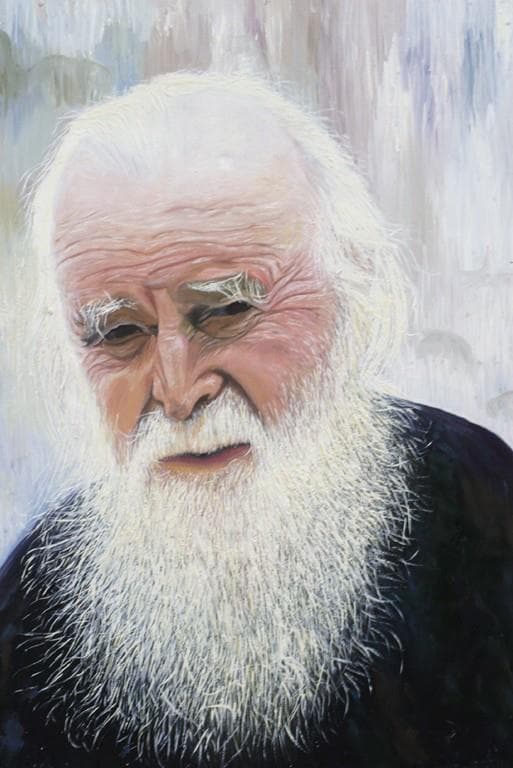
Sofian Boghiu
Sofian Boghiu was a Romanian Orthodox hieromonk, church painter, and confessor known for his association with Antim Monastery in Bucharest and the "Burning Bush" hesychast circle. He endured imprisonment under the communist regime before returning to serve as abbot and a widely sought spiritual father, earning the title "Apostle of Bucharest" for his extensive pastoral work. He is remembered as a confessor of the faith, a spiritual father, and a church painter, and was canonized by the Romanian Orthodox Church in 2025.