
Sofian Boghiu
September 16·21st century·Romania
Sofian Boghiu was a Romanian Orthodox hieromonk, church painter, and confessor known for his association with Antim Monastery in Bucharest and the "Burning Bush" hesychast circle. He endured imprisonment under the communist regime before returning to serve as abbot and a widely sought spiritual father, earning the title "Apostle of Bucharest" for his extensive pastoral work. He is remembered as a confessor of the faith, a spiritual father, and a church painter, and was canonized by the Romanian Orthodox Church in 2025.
Key Facts
- ›Sofian Boghiu was born Serghei Boghiu on October 7, 1912, in Bessarabia.
- ›He began his monastic formation at Rughi Skete at age fourteen and later studied at monastic seminaries and the Academy of Fine Arts in Bucharest.
- ›He was ordained a hieromonk in 1945 and appointed abbot of Antim Monastery in 1950.
- ›Boghiu was a participant in the "Burning Bush" spiritual circle, which was targeted by communist authorities, leading to his arrest and a sentence of 15 years in prison.
- ›After serving approximately six years, he was released in 1964 and returned to Antim Monastery, where he resumed his pastoral and liturgical work.
- ›He carried out extensive iconography projects in Romania, Lebanon, and Syria, and was known for his emphasis on prayer, humility, and forgiveness in his pastoral teaching.
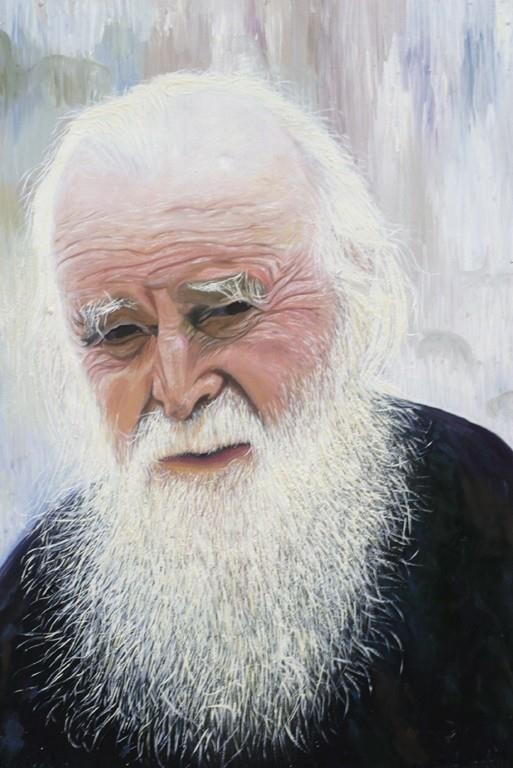
Serghei Boghiu, Apostle of Bucharest
Icons
About Sofian Boghiu
Sofian Boghiu, born Serghei Boghiu on October 7, 1912, and passing on September 14, 2002, was a significant figure in the Romanian Orthodox Church. He was a hieromonk, a renowned church painter, and a confessor, primarily associated with Antim Monastery in Bucharest. His spiritual formation was deeply influenced by the "Burning Bush" (Rugul Aprins) hesychast circle, a community focused on patristic texts, hesychast spirituality, and the Jesus Prayer.
Boghiu's life was marked by both profound spiritual dedication and significant personal hardship. In 1958, he was arrested by the communist authorities and sentenced to 15 years of imprisonment and forced labor for his religious activities. He endured approximately six years in prisons and labor camps before his release in 1964. Following his liberation, he returned to Antim Monastery, where he resumed his roles as abbot and spiritual father, becoming a widely sought confessor for monks, clergy, and laypeople.
His pastoral work in Bucharest earned him the title "Apostle of Bucharest" due to his extensive ministry in the capital. Boghiu was known for his gentle yet firm guidance, emphasizing prayer, humility, forgiveness, and almsgiving. He advocated for the frequent practice of the Jesus Prayer and a balanced spiritual life, warning against extremes in asceticism. His teachings and pastoral approach are preserved in his sermons, conferences, and published writings.
Beyond his spiritual leadership, Sofian Boghiu was a gifted artist. He was instrumental in the painting and restoration of numerous churches and monasteries in Romania and abroad, including significant iconographic work in Lebanon and Syria. His iconographic programs often conveyed biblical themes with a focus on mercy and charity. He also headed the patriarchal iconography workshop in Bucharest, training a new generation of iconographers.
In recognition of his sanctity and contributions, the Holy Synod of the Romanian Orthodox Church decided to inscribe him among the saints in July 2024, assigning his feast day to September 16. The general proclamation of his canonization occurred in February 2025. He is regarded within the Romanian Orthodox Church as the first canonized Orthodox saint to have lived into the 21st century, representing a confessor of the faith under an atheist regime, a hesychast spiritual father, and a church painter.
Source: Wikipedia ↗
Frequently Asked Questions
When was Sofian Boghiu born and when did he die?
Sofian Boghiu was born on October 7, 1912, and passed away on September 14, 2002. He lived into the 21st century and is considered the first Orthodox saint canonized by the Romanian Orthodox Church to have done so.
What was Sofian Boghiu's role in the "Burning Bush" movement?
Sofian Boghiu was an active member of the "Burning Bush" (Rugul Aprins) spiritual circle, which brought together monks, clergy, and intellectuals to study hesychast spirituality and the Jesus Prayer. This involvement led to his arrest and imprisonment by communist authorities.
Why is Sofian Boghiu called the "Apostle of Bucharest"?
He earned the title "Apostle of Bucharest" due to his extensive pastoral activity and long service in the capital city. He was widely sought as a confessor and spiritual father, particularly at Antim Monastery.
What was Sofian Boghiu's experience during communist rule?
In 1958, Sofian Boghiu was arrested by communist authorities and sentenced to 15 years in prison for "hostile mystical activities." He served approximately six years in harsh conditions before being released in 1964 under a general amnesty.
What is Sofian Boghiu's contribution to iconography?
Boghiu was an accomplished church painter who led the patriarchal iconography workshop in Bucharest, training younger iconographers. He also undertook significant iconographic projects in Romania, Lebanon, and Syria, often emphasizing themes of mercy and charity.
When and how was Sofian Boghiu canonized?
The Holy Synod of the Romanian Orthodox Church decided to canonize him in July 2024, with the general proclamation of his canonization taking place on February 4, 2025, in Bucharest. His feast day is celebrated on September 16.
Related Saints
Sava II Branković
Sava II Branković was a hierarch of the Romanian Orthodox Church who served as Metropolitan of Transylvania. He is venerated for his steadfast opposition to the religious and political oppression faced by Orthodox Christians, particularly from the Roman Catholic and Calvinist churches, as well as the Ottoman Empire. Sava II Branković is remembered for his efforts to preserve Romanian identity and Orthodoxy, his establishment of a printing house, and his pastoral leadership.
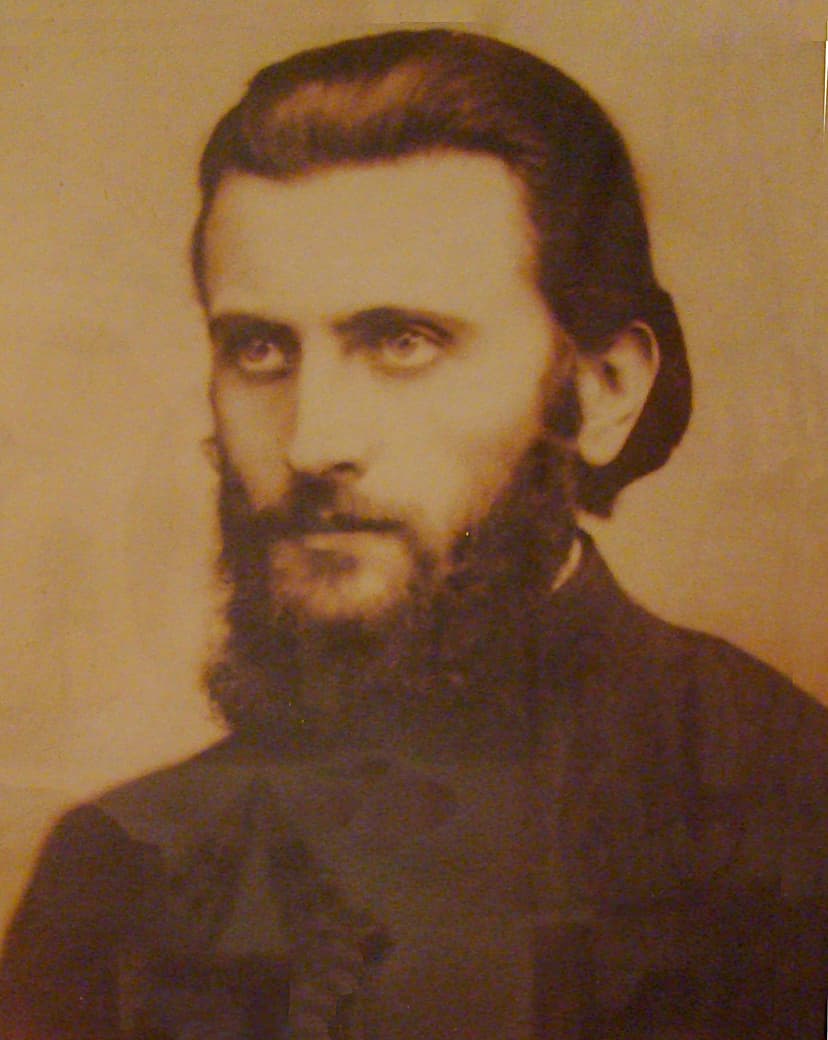
Arsenie of Prislop
Arsenie of Prislop was a Romanian priest, theologian, mystic, and artist who faced persecution by the Romanian Communist Party. He is venerated as a saint in the Romanian Orthodox Church and is remembered for his spiritual teachings and artistic contributions, particularly his religious paintings.
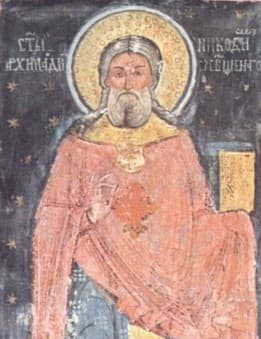
Nicodemus of Tismana
Nicodemus of Tismana was a 14th-century monk, scribe, and translator of Greek-Serbian origin who founded monasteries in Serbia and Romania. He is remembered for conveying hesychastic monastic traditions and for his participation in an ecclesiastical mission to Constantinople. Nicodemus is venerated in the Eastern Orthodox Church and is commemorated for his virtuous life and contributions to monasticism.