
Arsenie of Prislop
Arsenie of Prislop was a Romanian priest, theologian, mystic, and artist who faced persecution by the Romanian Communist Party. He is venerated as a saint in the Romanian Orthodox Church and is remembered for his spiritual teachings and artistic contributions, particularly his religious paintings.
Key Facts
- ›Arsenie Boca was born Zian Boca in 1910 in Vața de Sus, Romania.
- ›He studied theology and fine arts, receiving a scholarship to study at the Fine Arts Academy in Bucharest.
- ›He served as abbot of Brâncoveanu Monastery, enriching its spiritual and cultural life.
- ›Boca was persecuted and imprisoned multiple times by the Securitate secret police under the communist regime.
- ›His religious paintings, such as those at the church at Drăgănescu, have drawn both admiration and controversy.
- ›The Romanian Orthodox Church announced its decision to canonize him in July 2024.
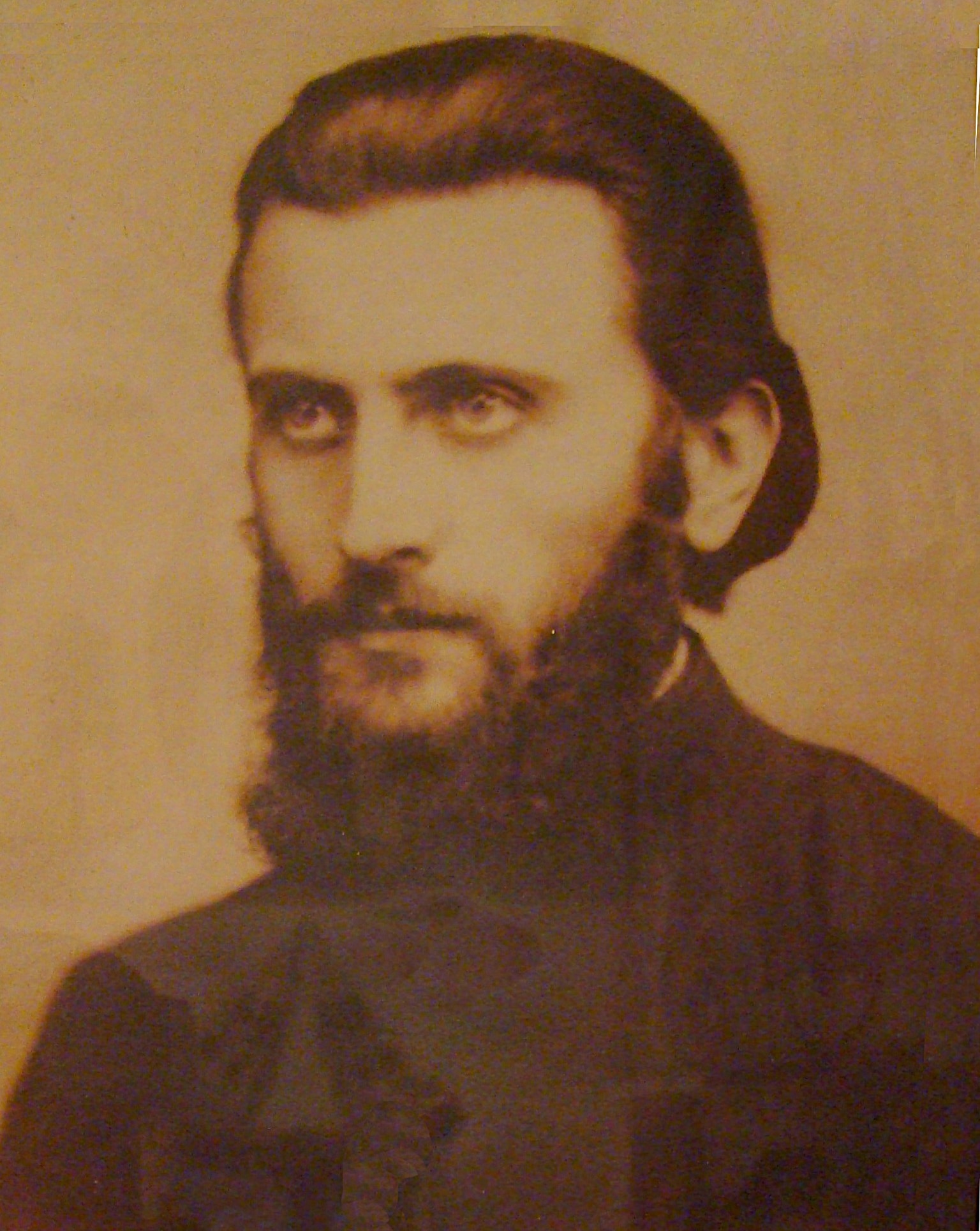
Zian Boca
Orthodox Monasticism
About Arsenie of Prislop
Arsenie of Prislop, born Zian Boca on September 29, 1910, was a prominent Romanian priest, theologian, mystic, and artist. He is venerated as a saint within the Romanian Orthodox Church and is remembered for his spiritual guidance, artistic creations, and his resilience in the face of persecution by the Romanian Communist Party.
Life and Ministry
Born in Vața de Sus, Hunedoara County, Boca pursued theological and artistic studies. He graduated from the Theological Academy in Sibiu in 1933 and later studied at the Fine Arts Academy in Bucharest, where he also attended medical and Christian mysticism classes. He served as a deacon from 1935 and, after a period of monastic formation on Mount Athos, took his vows and was tonsured into monasticism in 1940. He was ordained a priest and became the abbot of Brâncoveanu Monastery, where he undertook renovations and enriched its spiritual life. He also assisted in the Romanian translation of the Philokalia.
Persecution and Artistic Style
Following World War II, Boca was arrested multiple times by the Securitate, the communist regime's secret police. He was imprisoned for allegedly aiding the anti-communist resistance and was interned at the Danube–Black Sea Canal. Despite facing constant surveillance and harassment, he continued his spiritual and artistic work. His religious paintings, noted for their distinct style, have sometimes been a subject of discussion among Orthodox Christians. He died in 1989 and was buried at Prislop Monastery.
Canonization and Legacy
In October 2015, the Romanian Orthodox Church began considering Arsenie Boca's cause for sainthood. In July 2024, the Church announced its decision to canonize him, with the official decree to be released in February 2025. His enduring legacy is tied to his profound spiritual influence, his significant contributions to religious art, and his eventual recognition as a saint by the Romanian Orthodox Church, cementing his place as a revered figure in Romanian Orthodoxy.
Source: Wikipedia ↗
Frequently Asked Questions
When was Arsenie Boca born and when did he die?
Arsenie Boca was born on September 29, 1910, and died on November 28, 1989.
What was Arsenie Boca's secular name?
His secular name was Zian Boca.
Why was Arsenie Boca persecuted?
He was persecuted by the Romanian Communist Party and its secret police, the Securitate, for allegedly helping the anti-communist resistance movement and due to suspicions of involvement with anthroposophy.
What is Arsenie Boca remembered for artistically?
He is remembered for his religious paintings, which he created with his own unique vision. His icons, such as those depicting Francis of Assisi among Orthodox Saints, have been noted.
Is Arsenie Boca officially recognized as a saint?
Yes, the Romanian Orthodox Church announced its decision to canonize him in July 2024, with the synodal decree of canonization released on February 4, 2025.
Where are Arsenie Boca's relics kept?
His relics are buried at Prislop Monastery in Silvașu de Sus village.
Related Saints
Catherine of Bologna
Catherine of Bologna was an Italian Poor Clare nun, mystic, artist, and writer, venerated for her piety and spiritual teachings. She is remembered as the patron saint of artists and against temptations, and her incorrupt body is displayed in Bologna. Her formal canonization occurred in 1712.
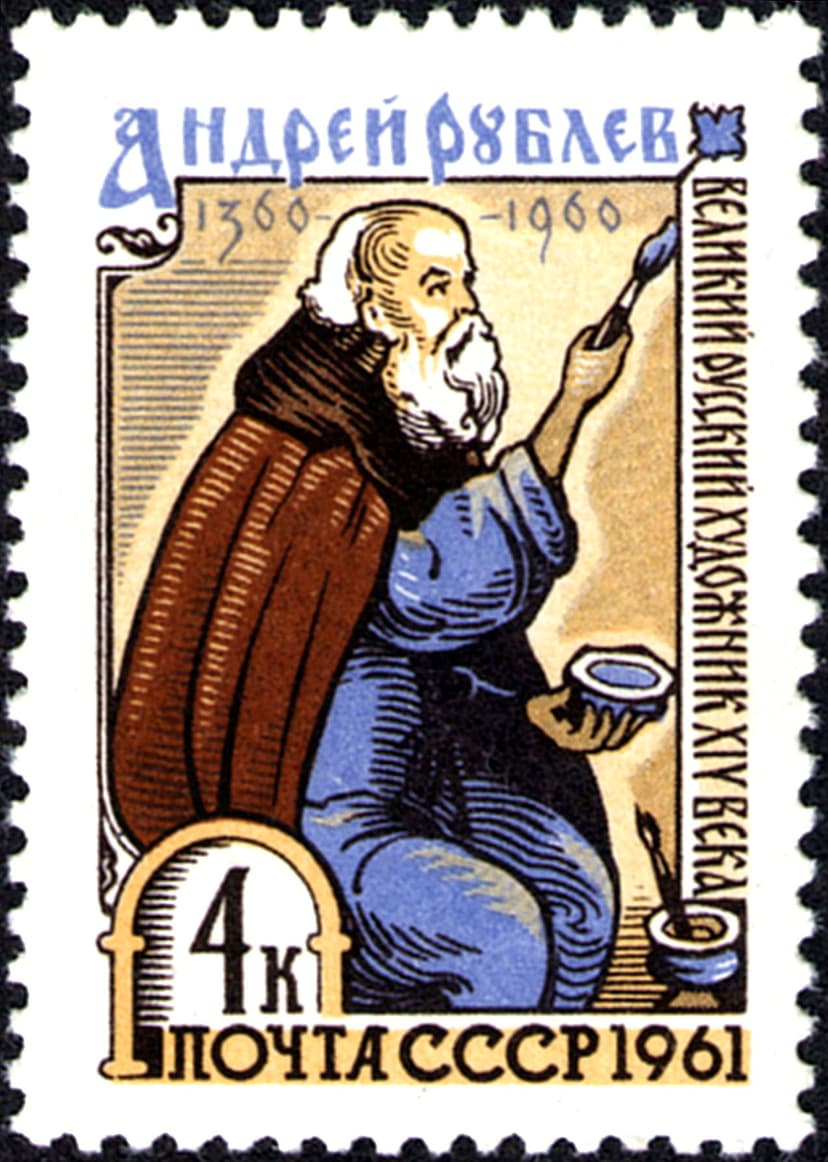
Andrew the Iconographer
Andrei Rublev was a Russian icon painter and fresco artist revered as a saint in the Eastern Orthodox Church. He is considered one of the greatest medieval Russian painters, best known for his icon of the Trinity and his influential style that blended Byzantine tradition with Russian spirituality.
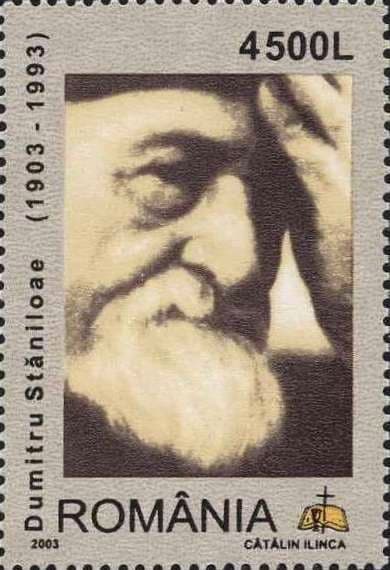
Demetrius Stăniloae
Demetrius Stăniloae was a Romanian Orthodox priest and theologian, highly regarded for his comprehensive translation and commentary on the Philokalia. His influential work, "The Dogmatic Orthodox Theology," established him as a prominent Christian theologian in the latter half of the 20th century. He is venerated in the Orthodox world for his theological contributions to the Church's collective faith, and was canonized by the Romanian Orthodox Church in 2025.