
Sava II Branković
April 24·17th century·Romania
Sava II Branković was a hierarch of the Romanian Orthodox Church who served as Metropolitan of Transylvania. He is venerated for his steadfast opposition to the religious and political oppression faced by Orthodox Christians, particularly from the Roman Catholic and Calvinist churches, as well as the Ottoman Empire. Sava II Branković is remembered for his efforts to preserve Romanian identity and Orthodoxy, his establishment of a printing house, and his pastoral leadership.
Key Facts
- ›Simeon Branković was born in 1615 in Ineu, Principality of Transylvania.
- ›He was elected Metropolitan of Ardeal (Transylvania) in 1656 and took the monastic name Sava.
- ›Sava II Branković established a printing house in Alba Iulia, publishing service books and catechisms.
- ›He was a strong opponent of Calvinist attempts to convert Orthodox believers and resisted pressure from political authorities.
- ›He traveled to the Russian Empire in 1668 to seek aid for the Orthodox population in Transylvania.
- ›Sava II Branković died on April 24, 1683, from injuries sustained during his imprisonment.
St. Sava II Branković, Sabbas Brancovici, Simeon Branković
About Sava II Branković
Sava II Branković, born Simeon Branković in 1615 in Ineu, Principality of Transylvania, was a significant hierarch of the Romanian Orthodox Church. He is venerated as the Metropolitan of Transylvania and Confessor of Romania, with his feast day observed on April 24th. His life and ministry were marked by a steadfast opposition to the religious and political pressures exerted by the Roman Catholic Church, Calvinists, and the Ottoman Empire on the Orthodox population.
Life and Ministry
Born into a prominent Serbian family with extensive estates, Simeon received a thorough education through home tutoring and studies in Orthodox monasteries. After his marriage and the premature death of his wife, followed by the loss of his father and two brothers to plague, Simeon took responsibility for his youngest brother, Đorđe. He served as a priest for ten years, actively converting Muslims and reconverting Christians who had adopted Islam.
In 1656, Simeon was elected Metropolitan of Ardeal and, upon receiving monastic tonsure, took the name Sava. His episcopate was challenged by Calvinist missionary efforts supported by the Prince of Transylvania and by frequent wars. Sava II Branković proved to be a resilient defender of the Church, refusing to yield to demands that would compromise Orthodox faith or lead to unity with Roman Catholicism. He maintained correspondence with other prominent bishops.
Contributions and Challenges
Faced with adversity, Sava II Branković established a printing house in Alba Iulia, where he published service books, instructional manuals, and catechisms. He was instrumental in the early development of the Romanian language in print, aiming to preserve Romanian identity under significant pressure from Hungarian, Austrian, and Turkish influences. He also initiated the publication of sermons in Romanian and biblical texts in Church Slavonic, alongside scientific works in multiple languages.
Sava was temporarily driven from his see between 1660 and 1662 due to his efforts to strengthen Orthodoxy. Despite returning, he continued to face harassment for resisting the Prince of Transylvania and the Calvinists. In 1668, he traveled to the Russian Empire with his brother Đorđe to seek aid for the Orthodox population, which led to further persecution upon their return.
In 1680, Metropolitan Sava II was imprisoned, possibly due to his involvement in a plot to revolt against the Turks or his opposition to the nomination of a new Calvinist superintendent. He was taken to Blaj castle, where he was severely whipped. After his release, he died on April 24, 1683, from the injuries sustained during his imprisonment.
Canonization and Legacy
Sava II Branković was canonized by the Romanian Orthodox Church on October 21, 1955. His legacy endures through his courageous defense of the Orthodox faith, his pioneering work in Romanian print, and his role as a confessor who endured hardship for his beliefs.
Source: Wikipedia ↗
Frequently Asked Questions
When and where was Sava II Branković born?
Sava II Branković was born in 1615 in the town of Ineu, located in the western part of the Principality of Transylvania.
What was Sava II Branković's primary role in the church?
He served as the Metropolitan of Ardeal (Transylvania), leading the Orthodox community in the region.
Why is Sava II Branković venerated?
He is venerated for his opposition to the oppression of the Roman Catholic Church, Calvinists, and the Ottoman Empire, and for his efforts to preserve the Orthodox faith and Romanian identity.
What notable contributions did Sava II Branković make?
He established a printing house in Alba Iulia, which published important religious texts in Romanian and Church Slavonic, and he was a notable preacher and educator.
When did Sava II Branković die and what were the circumstances?
Sava II Branković died on April 24, 1683, as a result of injuries he sustained while imprisoned in Prince Apafi's castle in Blaj.
How was Sava II Branković canonized?
He was glorified by the Romanian Orthodox Church on October 21, 1955.
Related Saints
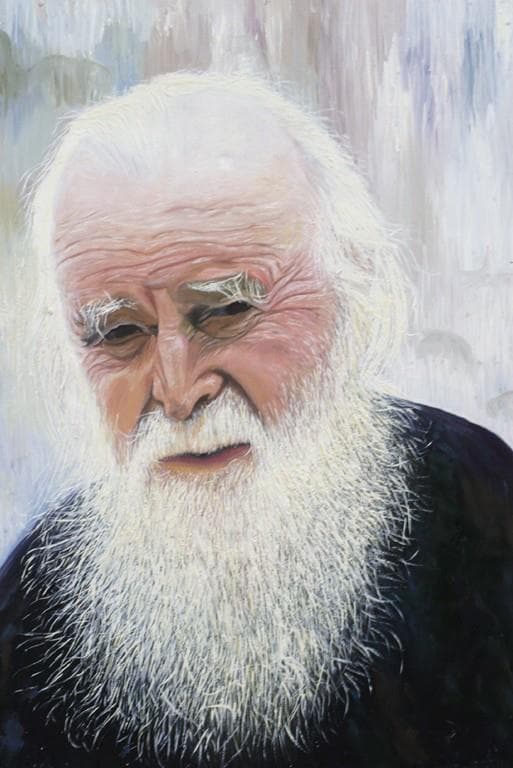
Sofian Boghiu
Sofian Boghiu was a Romanian Orthodox hieromonk, church painter, and confessor known for his association with Antim Monastery in Bucharest and the "Burning Bush" hesychast circle. He endured imprisonment under the communist regime before returning to serve as abbot and a widely sought spiritual father, earning the title "Apostle of Bucharest" for his extensive pastoral work. He is remembered as a confessor of the faith, a spiritual father, and a church painter, and was canonized by the Romanian Orthodox Church in 2025.
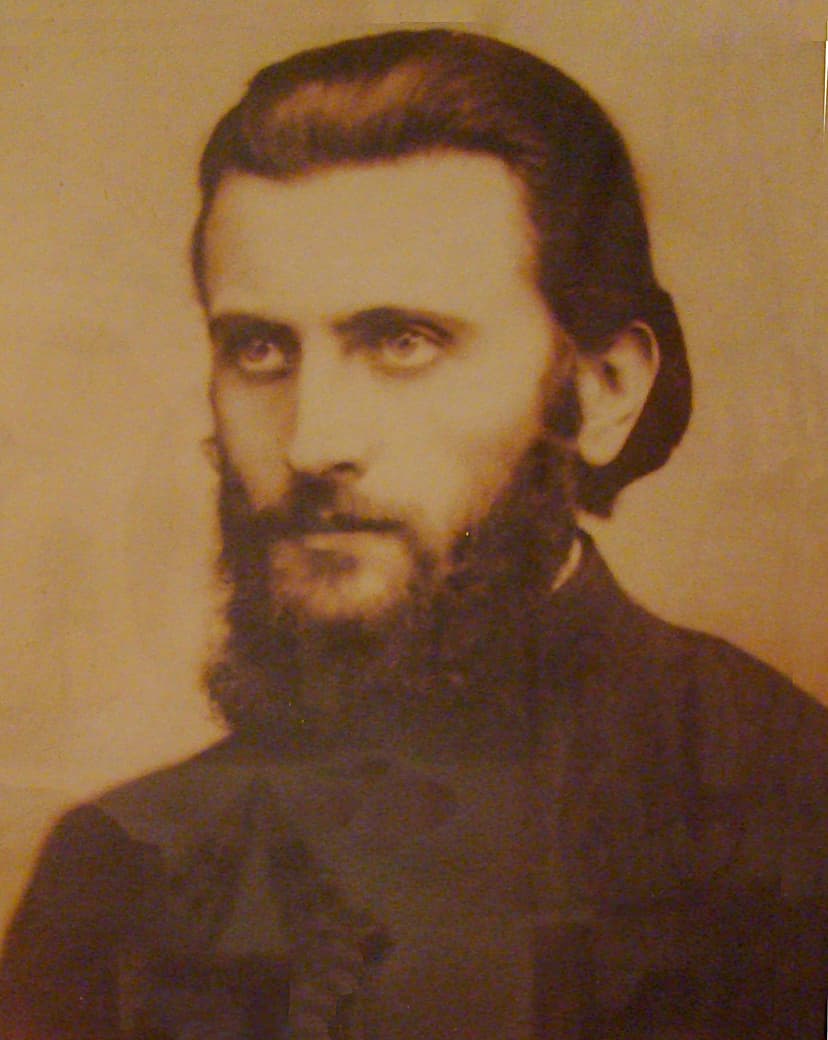
Arsenie of Prislop
Arsenie of Prislop was a Romanian priest, theologian, mystic, and artist who faced persecution by the Romanian Communist Party. He is venerated as a saint in the Romanian Orthodox Church and is remembered for his spiritual teachings and artistic contributions, particularly his religious paintings.
Nicodemus of Tismana
Nicodemus of Tismana was a 14th-century monk, scribe, and translator of Greek-Serbian origin who founded monasteries in Serbia and Romania. He is remembered for conveying hesychastic monastic traditions and for his participation in an ecclesiastical mission to Constantinople. Nicodemus is venerated in the Eastern Orthodox Church and is commemorated for his virtuous life and contributions to monasticism.