
Grigol Peradze
December 6·20th century·Georgia
Grigol Peradze was a prominent Georgian ecclesiastic figure, philologist, theologian, historian, and professor of patristics in the interwar period. He is remembered for his scholarly work in patristics and Georgian history, his pastoral care for the Georgian community in Paris, and his martyrdom during World War II. Peradze was canonized as a saint by the Eastern Orthodox Church for his sacrifice and dedication to his faith and fellow prisoners.
Key Facts
- ›Grigol Peradze was born in 1899 in the Kakheti region of Eastern Georgia.
- ›He studied at Tbilisi State University and later pursued advanced degrees in Germany, earning a PhD in history from the University of Bonn in 1927.
- ›Peradze served as a professor of patrology at the University of Warsaw from 1933 to 1942.
- ›He was tonsured a monk, ordained a priest, and later raised to the rank of archimandrite.
- ›During World War II, he was arrested by the Gestapo and killed in the Auschwitz concentration camp in 1942.
- ›He was canonized by the Georgian Orthodox Church in 1995 as a martyr and is celebrated on December 6.
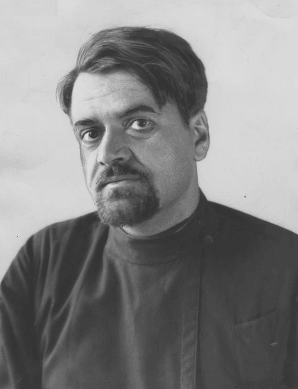
Grigol Peradze, Saint Grigol Peradze, Grzegorz Peradze
About Grigol Peradze
Grigol Peradze (1899–1942) was a significant Georgian ecclesiastic figure, scholar, and martyr of the 20th century. Renowned as a philologist, theologian, historian, and professor of patristics, Peradze made substantial contributions to the study of Georgian Christian culture and history during the interwar period.
Life and Ministry
Born in Eastern Georgia, Grigol Peradze received his early education in ecclesiastical and secular institutions, graduating from Tbilisi Theological Seminary and later studying at Tbilisi State University. Following the Soviet occupation of Georgia, he went into exile in Germany in 1921, though he had secured legal permission to leave. He continued his academic pursuits, earning a PhD in history from the University of Bonn in 1927 with a thesis on the history of Georgian monasticism. Peradze later served as an associate professor at Bonn and subsequently as a professor of patrology at the University of Warsaw in Poland from 1933 to 1942.
During his life, Peradze was deeply involved in clerical duties. Pledging himself to God after a serious illness, he was tonsured a monk in London in 1931 and ordained a priest shortly thereafter. He became the first regular priest of the Georgian St. Nino Orthodox Church in Paris and was later elevated to the rank of archimandrite. His scholarly work included extensive research into Georgian manuscripts found across Europe, contributing significantly to the understanding of Georgian Christian heritage.
Martyrdom and Canonization
With the invasion of Poland by German forces in 1939, Peradze's position became increasingly perilous. He demonstrated profound solidarity with the Jewish population, offering assistance wherever possible, and visited imprisoned Polish clergy. These actions drew the suspicion of the Nazi occupiers. In May 1942, Peradze was arrested by the Gestapo and sent to the Auschwitz concentration camp. He was killed on December 6, 1942, reportedly sacrificing himself to protect fellow prisoners, either by taking blame for a German officer's murder or by entering a gas chamber in place of a Jewish prisoner with a family.
Grigol Peradze was canonized as a saint and martyr by the Georgian Orthodox Church in September 1995. His feast day is observed on December 6. He is remembered not only for his scholarly achievements but also for his unwavering faith and ultimate martyrdom in defense of human dignity and his fellow prisoners.
Source: Wikipedia ↗
Frequently Asked Questions
When was Grigol Peradze born and where?
Grigol Peradze was born on September 13, 1899, in the village of Bakurtsikhe, located in the Kakheti region of Eastern Georgia.
What was Grigol Peradze's academic background?
Peradze was a distinguished scholar who graduated from Tbilisi State University and later earned a PhD in history from the University of Bonn. He became a professor of patrology at the University of Warsaw.
Why was Grigol Peradze arrested and killed?
He was arrested by the Gestapo in 1942 due to his solidarity with Jews and his activities aiding fellow prisoners. He was ultimately killed in the Auschwitz concentration camp, reportedly by taking responsibility for others to spare them.
How is Grigol Peradze remembered today?
Grigol Peradze was canonized as a martyr by the Georgian Orthodox Church in 1995. He is commemorated on December 6 and is remembered for his scholarly work and his ultimate sacrifice.
What were Grigol Peradze's main fields of study?
His primary areas of research included the history of the Georgian Orthodox Church, source studies for Georgian history, patrology, and the history of Georgian literature.
Related Saints
Jerome
Jerome was an early Christian priest, theologian, and historian, best known for his Latin translation of the Bible, the Vulgate. He is recognized as one of the four Great Latin Church Fathers and is revered for his extensive biblical commentaries and his teachings on Christian moral life, particularly for women. His scholarly endeavors and translation work significantly shaped Western Christianity.
Michael the Syrian
Michael the Syrian was the Syriac Orthodox Patriarch of Antioch from 1166 to 1199, widely regarded as a pivotal figure in his church's history. He is remembered as both a saint and a prolific historian, most notably for his monumental Chronicle, the most extensive surviving work in Syriac literature. This chronicle covers world history from Creation to his own time, and his writings are credited with catalyzing an era of "Syriac Renaissance."
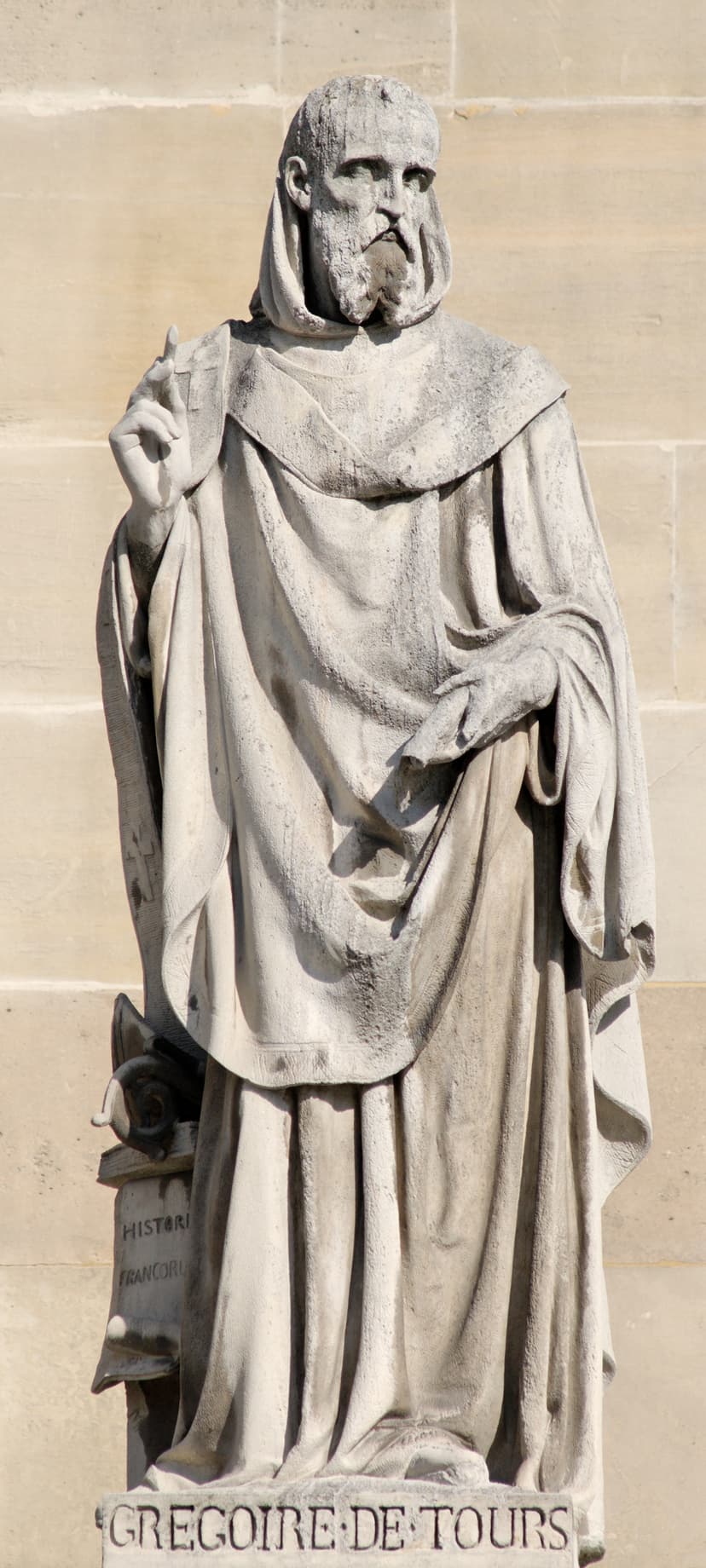
Gregory of Tours
Gregory of Tours was a Gallo-Roman historian and Bishop of Tours during the Merovingian period, widely regarded as the "father of French history." He is most celebrated for his extensive historical work, the 'Historia Francorum' ('History of the Franks'), which serves as a crucial primary source for understanding the Merovingian era. Gregory's writings also documented religious figures and events, contributing significantly to early medieval historical and religious scholarship.